![]()
The AI era: from project interlocking to global efficiency
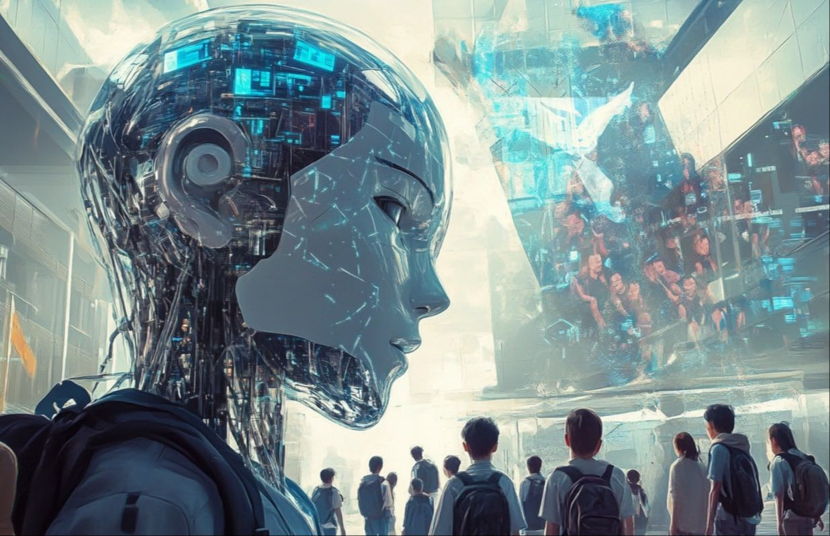
Artificial intelligence is profoundly transforming education by tailoring learning to individual needs, optimizing material and human resources, and reducing administrative burdens. Despite the challenges associated with its implementation, AI is paving the way for a more efficient, inclusive school focused on students and their needs.
![]()
Non-traditional students or obsolete universities?
People who return to and initiate higher education during their working lives or in retirement. Universities classify them as non-traditional students. Some dare to call them contemporary students. But these people don't return to classroom or online study just for the pleasure of learning. They have goals and needs that faculties must take into account, in their best interests.
![]()
Music at the heart of communities
Each community has its own rites and rhythms, and each is sensitive to sounds and music that characterize and reveal everything they aspire to, such as the sounds of the forest or world songs, liturgical chants, or traditional Sami Joik.
![]()
Learning in Finland: the qualities of the model
Success certainly lies in the shift from a school-based form to an educational setting in which the training of professionalized, independent, and well-regarded teachers has played a key role.
![]()
Play and foreign language learning
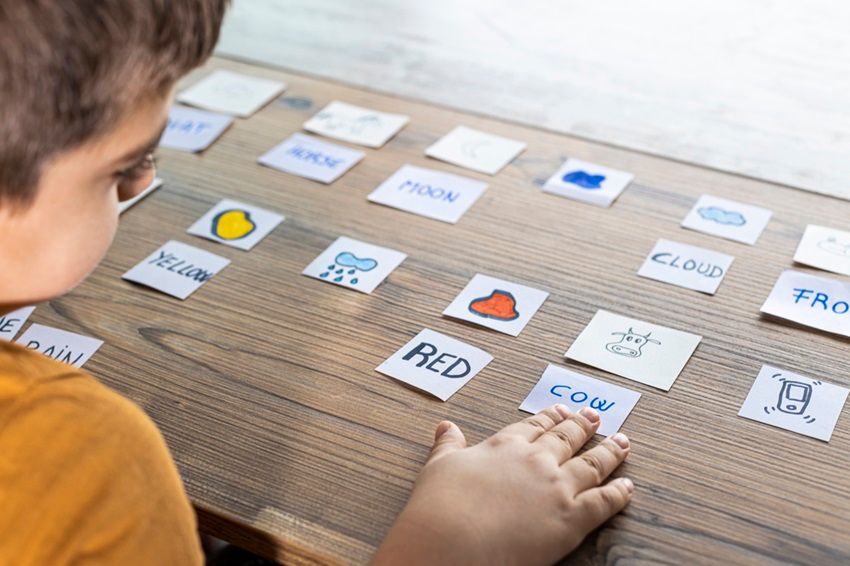
Play in foreign language learning motivates the learner, creates a climate of security in the face of an unfamiliar and threatening language and, above all, enables considerable progress to be made.