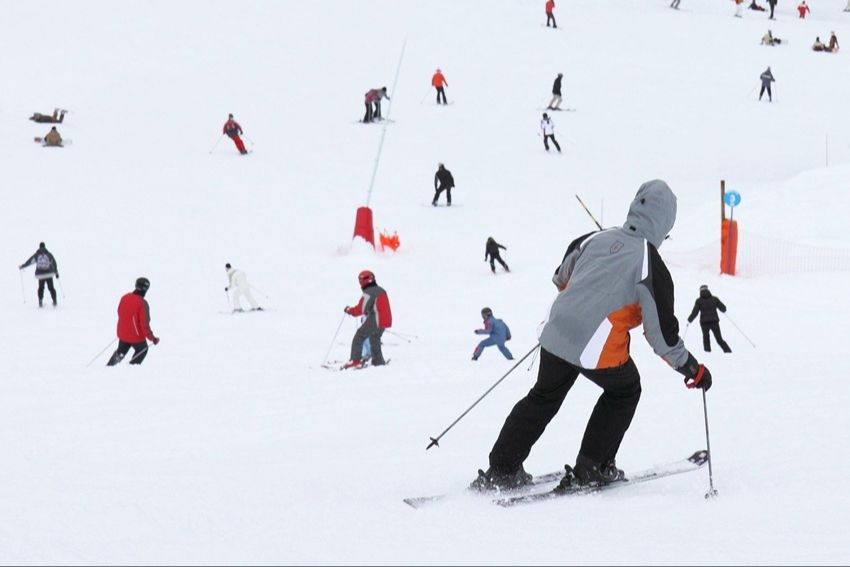
Climate change has many pernicious effects that only specialists can see. However, some areas are already able to take the reality of global warming into account: ski resorts. Indeed, as this Belgian program shows, snow cover is becoming increasingly limited and snow seasons are getting progressively shorter. At the current rate, 90% of Europe's ski areas will have to close by 2100. People will have to go much higher to enjoy the powder snow. And such facilities will contribute to climate change, pollution and so on.
In fact, ski trips are part of the problem when it comes to carbon dioxide emissions. This is due to air and car travel, energy-intensive infrastructures, the manufacture of skiing equipment and even food. Ski enthusiasts can take action on all these factors by using public transport, choosing resorts with recognized ecological labels, renting equipment rather than buying it, eating locally and reducing meat consumption.
Nevertheless, the fact remains that the current slow pace of action is undermining an industry that affects thousands of people in Europe. What's more, a significant proportion of ski resorts use snow cannons to keep their slopes open. But this solution is ill-adapted and causes more problems than it solves. Some resorts have realized this and have opted for more non-snow activities, such as hiking and mountain biking. In Austria, the country of skiing par excellence, resorts have started to make more money in summer than in winter. A transformation that clearly shows the effects of climate and the importance of ensuring that warming doesn't get any worse.
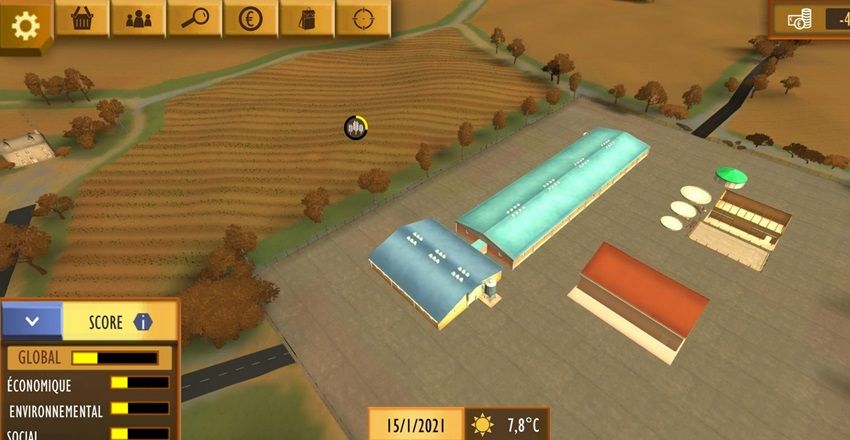
There's nothing simple about being a farmer. You have to plan your activities throughout the year, make sure you have the right machinery, maintain it and so on. All with a view to ecology. A serious French game seeks to teach agroecology.
All our lives have an online component. As a result, a large proportion of Internet users are at risk of being tricked by hackers. A short game invites Internet users to remember certain elements of cybersecurity using a space theme.