Kharkiv, Ukraine's second-largest city, has been in the throes of war since the Russian invasion of 2022. The bombardments are continuous and the alarms warning the inhabitants can sound 20 hours a day, yet everyone is trying to get on with life, cleaning up, rebuilding and so on. Among the various approaches to keeping life going, live art is one way of making people forget, in part, the difficult situation.
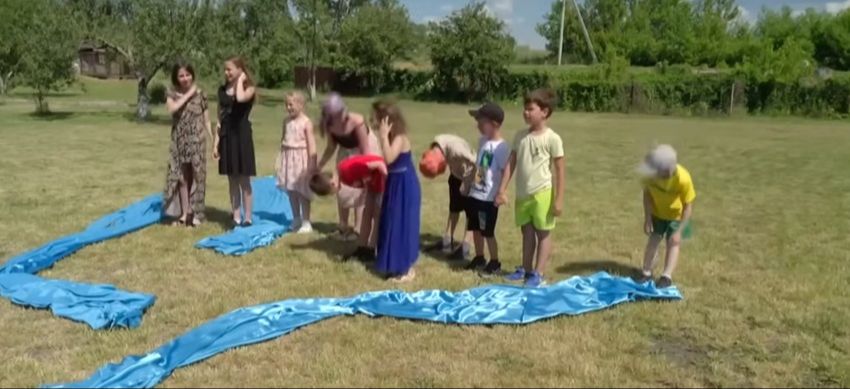
This is the project that a young teacher in Kharkiv is working on with her group of children. In a city where schools have been virtually razed to the ground, the school year no longer exists as it once did. Nevertheless, Lila is trying to change the children's minds through outdoor theater. It's a courageous gesture, and one that demands a great deal of resilience from children who have experienced serious trauma. And yet, during the rehearsals, they forget about loss, tears and fear, and focus on a positive story in which the characters experience beautiful tales of friendship, and grow stronger despite their ordeals.
The saying goes that as long as there's life, there's hope. These teachers transformed into tutors who help schoolchildren or who, like Lila, try to develop a somewhat pedagogical approach through play as much playful as theatrical are strong examples of this.
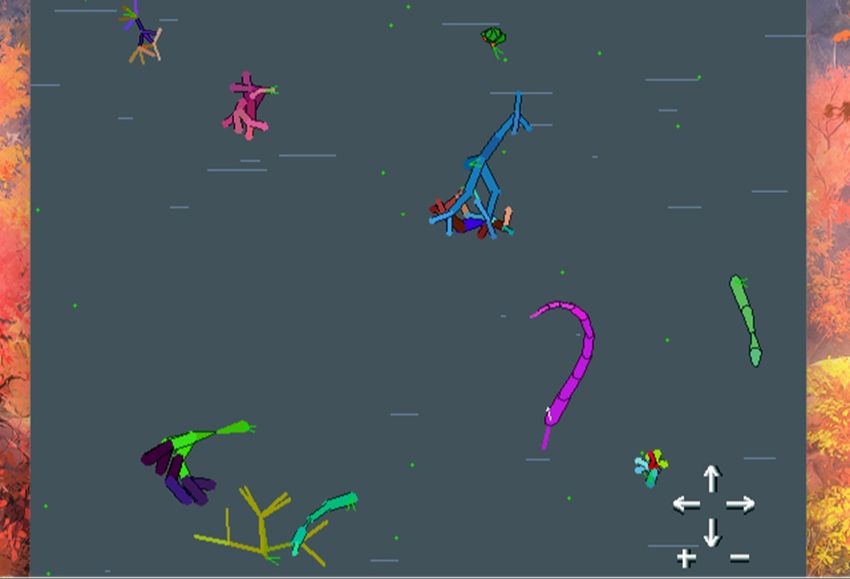
How do you talk to children about genetics and heredity? A British museum has come up with the method: design a game in which you create a line of adorable creatures with precise objectives. The game is fun, colorful and easy to learn. Even adults will succumb to the charms of the bugs and their large families.
All our lives have an online component. As a result, a large proportion of Internet users are at risk of being tricked by hackers. A short game invites Internet users to remember certain elements of cybersecurity using a space theme.