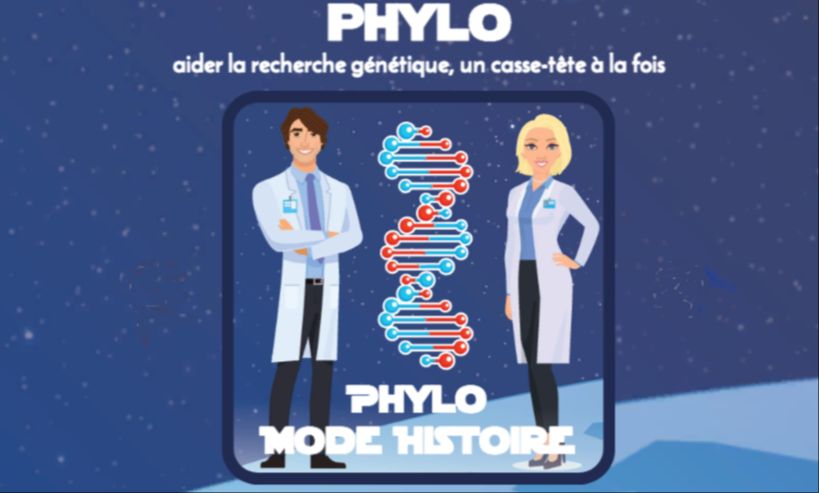
Phylo - Learn how to sequence a genome!
A game to enter the fascinating world of genetics.
Publish at April 09 2025 Updated April 09 2025



Medical deserts are a growing reality, whether in Canada, France or, as this ARTE report shows, Germany. Many people, especially in rural areas or far from urban centers, find themselves having to rely solely on the local hospital, if there is one. This approach is made all the more practical by the fact that there is a shortage of medical staff everywhere, both nurses and doctors.
So how can we provide adequate health care for all? Perhaps we should look to Iceland's healthcare communities for inspiration. Like most Scandinavian countries, Iceland has an excellent healthcare system. In Iceland, clinics have developed that challenge the medical hierarchy.
Rather than putting everything in the hands of doctors, they work in collaboration with trained nurses who can handle a wide range of care, while general practitioners take on the heavier cases. In addition, carers answer telephone calls to listen to patients' questions and guide them: do they need inpatient or outpatient care, or not?
Some parts of Germany are interested in this structure as a way of preserving the public system. However, German doctors still need to be persuaded to relinquish some of their duties. Some agree, others refuse. All this is taking place against a backdrop of austerity that even Iceland is experiencing, threatening a system that used to provide good coverage for the entire population.
Running time: 30min32
Image: Halcyon Marine Healthcare Systems from Pixabay
You might also like:
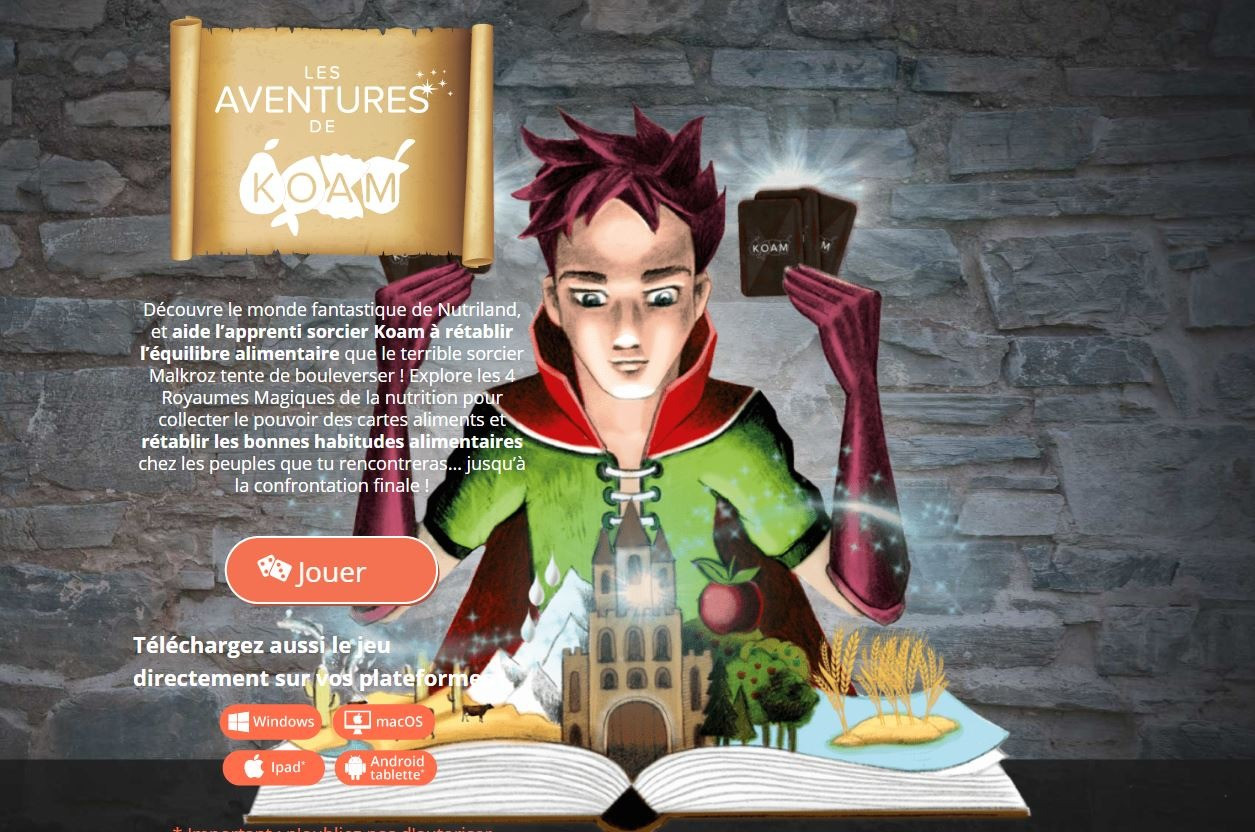
Koam, playing with balanced nutrition
A veritable showcase for public health, Koam was developed by Nutrikeo, a consulting firm specializing in nutritional strategies. Supported by BPI France, the Nouvelle Aquitaine region and Europe, Koam is the result of two years' work by a team of leading specialists in nutrition, childhood, pedagogy, sociology, digital and behavioral theory.
The sharing economy has led to small changes in various economic sectors such as transportation, housing, etc. This approach has changed the relationship of citizens for different services, now cheaper and offered by their fellow citizens. However, who actually benefits from this new economy? The people or the companies in question? A U.S. newsgame shows how the life of Uber drivers isn't as lucrative as one might think.
A multiplayer game designed for people with disabilities
Video games designed for people with disabilities are already a rare resource. An experience that allows multiple players is even rarer. Yet this latest creation from "Ludociels for All" challenges players to light up an entire maze by walking balls of light.
A fun game about heredity and genetics - Welcome to Thingdom
How do you talk to children about genetics and heredity? A British museum has come up with the method: design a game in which you create a line of adorable creatures with precise objectives. The game is fun, colorful and easy to learn. Even adults will succumb to the charms of the bugs and their large families.