"I will share my knowledge with him" is part of the Hippocratic oath. It has long been recognized that a patient who understands what is going on is generally more cooperative, disciplined and also less stressed. As a result, they have a greater chance of recovery. But how do we train and educate them? How much can we trust them?
Specialist jargon and infantilizing simplifications are not very effective when it comes to obtaining the genuine collaboration of a person who does not share the advanced medical referents; today, we're a long way from the colorful language of traditional medicine. What's more, speaking to a patient in full possession of his or her faculties is not the same as speaking to one in the fog of drugs or pain. Patient training has many limitations.
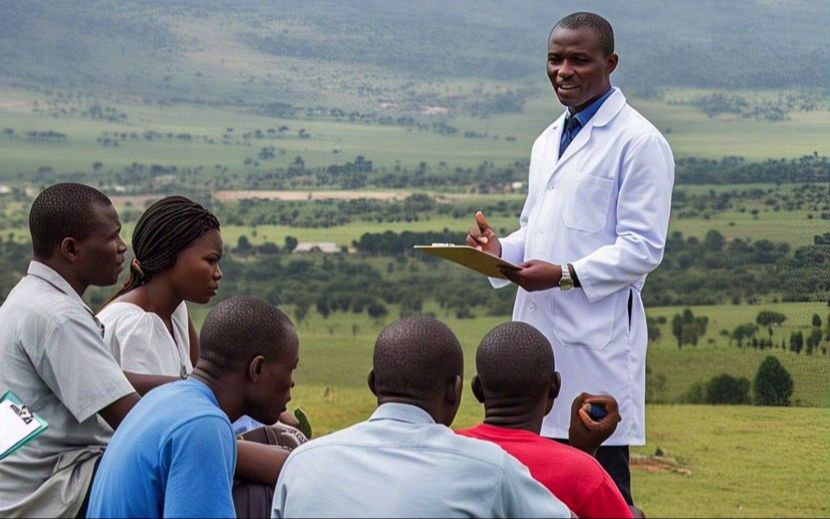
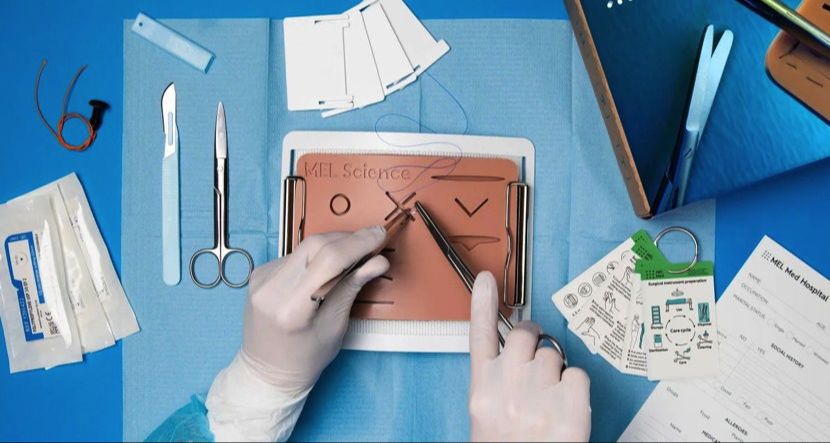
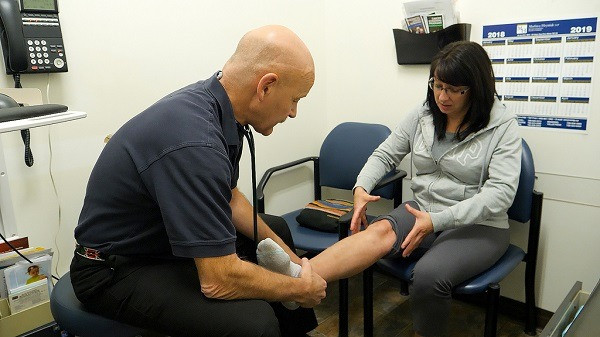
In practice, we work mainly upstream, with good preparation and tried-and-tested teaching materials. The pedagogical recipes remain the same: study, practice, correction, repetition, until it's integrated. Are there any "medical educators" or is this work entrusted to nurses or attendants who have specialized in it? Therapeutic education (TEE) is making progress, but it's still evolving and, unlike traditional pedagogy, it integrates the patient into the whole process, even the training of those involved.
With the Internet, many patients self-train and self-diagnose, not always pertinently, and the medical world is often forced to re-establish the facts and defend the skills of its agents in the face of patients who doubt the providers and the system... we have to do in spite of them. Some professionals even go so far as to participate in self-help groups on social networks, or offer equivalent services. In any case, A.I. and the Internet have changed the dynamic, and are forcing a rigorous healthcare system to redefine its operations and its relationship with "users?", "customers?", "patients?"... even the words used to describe the stakeholders bear witness to the healthcare system's organizational concepts being called into question. First and foremost, we're dealing with human beings.
Patient education is just one response to the pressures facing healthcare services worldwide, but its potential may well make it one of the most effective and least costly.
Denys Lamontagne - [email protected]