Literacy is generally associated with the ability to decode information. This is often associated with activities such as reading a newspaper article or an online text. However, literacy is also essential in other areas, such as health. Whether as a citizen or as a patient, a lack of literacy can have harmful consequences. In fact, there is a growing body of research on the subject.
An underdeveloped skill
Indeed, the subject is of great interest to health authorities in many countries. In surveying the population, one thing seems clear: medical literacy is a problem for a significant number of individuals. A 2014 study in Belgium showed that 4 out of 10 people have difficulty understanding, finding or applying health information. A similar percentage in France, especially when it comes to digital use. This is all the more important in a healthcare sector that is becoming increasingly digitalized. In 2012, two-thirds of Quebecers, including 95% of seniors, lacked the literacy skills needed to take care of their health.
In fact, the province'sInstitut National de Santé Publique stated at the time thatlow literacy is the best predictor of mortality after smoking. They noted the various factors that influence a population's level of literacy, such as individual characteristics, but also the social environment in which the patient finds himself, interactions with his family and professional circle, and previous interactions with healthcare workers. Thus, individuals in more privileged environments and encouraged to seek information will have greater medical literacy skills than others.
However, this does not mean that those with low health literacy are incapable of taking care of themselves. For example, this study carried out among the inhabitants of Reunion Island showed that the small group of people surveyed managed to look after themselves by their own means, sometimes by asking for help from a third party, and so on. So, even though they have major shortcomings that can affect some of their medical conditions, they find ways to treat their ailments.
The art of medical communication
Nevertheless, the issue of health literacy remains important. Indeed, how many people have stopped taking medication because they felt they no longer needed it, or, conversely, continued to take it even though their illness had been cured? Raising citizens' level of competence remains essential, and it's particularly important that local players get involved. In fact, they are increasingly aware of the importance of properly transmitting information. Especially since much of what is said in the doctor's office tends to be forgotten.
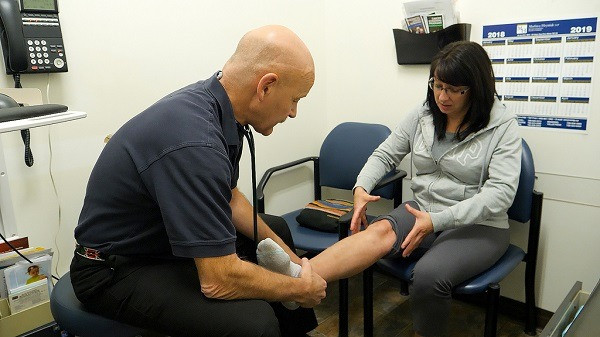
This means changing the approach of medical staff. You have to be more of a communicator, clearly explaining what the situation is, what actions need to be taken and which are the most important. Of course, doctors like to use the right terms, but they can cause more confusion than anything else in patients for whom medical acts lack clarity. Another approach is to ask the patient to re-explain what has been said. The professional can then see the level of understanding and adjust in the event of errors.
For its part, the Agence de la Santé et des Services Sociaux de la région de Montréal had published in 2013 a still topical document on communication and health literacy. Inside, you'll find tips on adopting your language level according to the person, the importance of taking time to explain, and even how to develop posters and flyers on health-related topics. For example, cartoon-style images should be avoided, as they can either be perceived as infantilizing or fail to be identified by patients.
The issue of medical literacy should be of interest to current and future practitioners. Indeed, it seems essential for health professionals to be able to help people in their understanding of overall health, in order to improve their lifestyle habits and promote healing. Medical faculties and professional training courses will need to address this issue in order to better prepare healthcare staff from doctors to orderlies.
Illustration: @AlbertaRhPAP 2018 Rhapsody Physician Award: Dr. David Welch (Peace River)
via photopin (license)
References
Bass, Pat F. "3 steps to boost health literacy." Contemporary Pediatrics. Last updated January1, 2018. http://www.contemporarypediatrics.com/modern-medicine-feature-articles/3-steps-boost-health-literacy.
Beaulieu, Jacques. "A Drama, A Life And Health Literacy." HuffPost Quebec. Last updated March 31, 2018. https://quebec.huffingtonpost.ca/jacques-beaulieu/un-drame-une-vie-et-la-litteratie-en-sante_a_23395325/.
"La Littératie En Santé, Plus Qu'un Enjeu De Santé Publique, Un Fondamental." GPS - Guyane Promo Santé. Last updated: June 11, 2018. http://gps.gf/blog/la-litteratie-en-sante-plus-quun-enjeu-de-sante-publique-un-fondamental/.
Moreau, André C., Stéphane Savriama, and Francine A. Major. "Littératie En Santé: Conduites Et Gestion De Soins Chez Les Personnes Ayant Des Compétences Réduites En Littératie?" Scholar. Last updated: August 23, 2013. https://www.erudit.org/fr/revues/globe/2013-v16-n1-globe0796/1018179ar/.
"Quels Sont Les Facteurs Influençant Le Degree De Littératie En Santé?" INSPQ. Last updated July 14, 2016. https://www.inspq.qc.ca/exercer-la-responsabilite-populationnelle/realiser-projet-en-lien-responsabilite-populationnelle
See more articles by this author