Better 3D Printing - Optimizing Additive Manufacturing
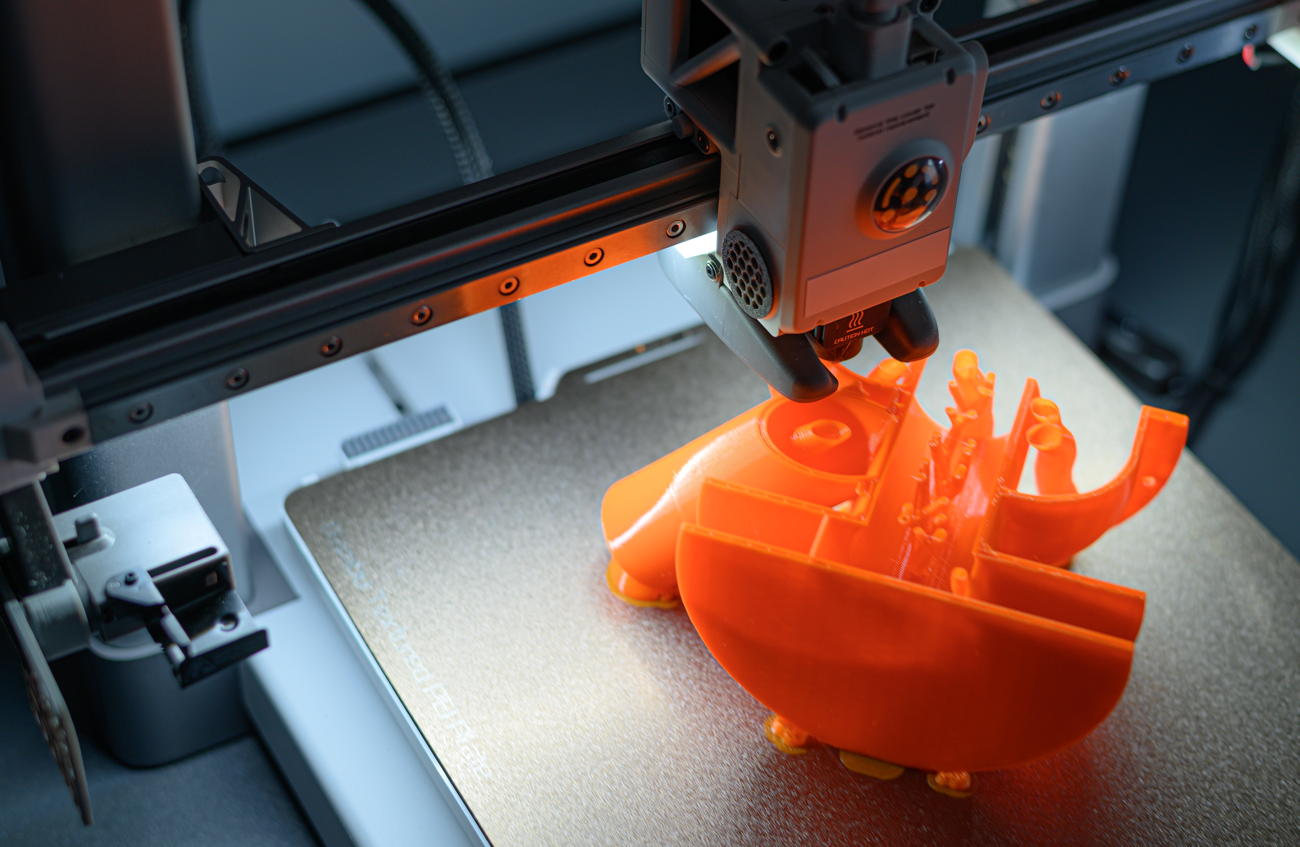
Every material, every nozzle size, every deposition temperature, every nozzle speed and travel path influences the distribution, volume, thickness, and weight of the deposited material...
Publish at May 28 2025 Updated May 28 2025


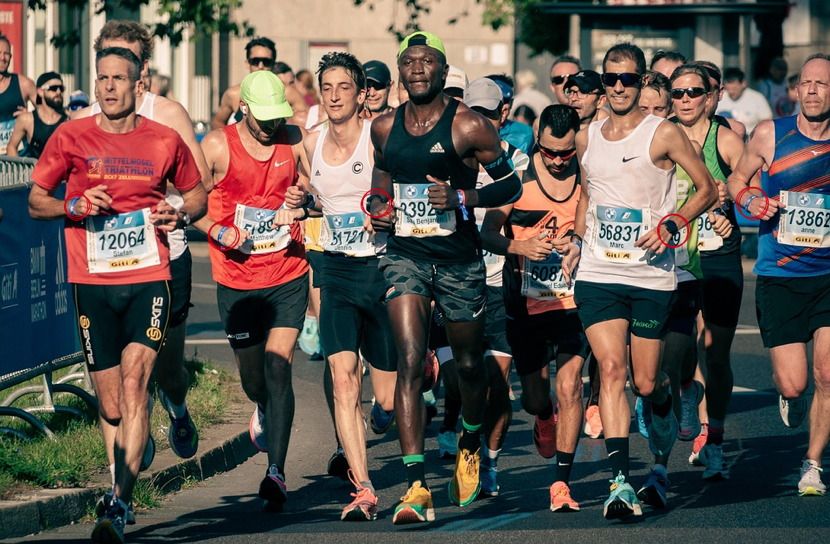
Connected watches, rings and phones measure many parameters of our activities, such as the number of steps we take, the distance we travel, the time we sleep, and even our physiology, such as our heart rate, blood circulation or oxygen saturation.
These data can be used to determine caloric expenditure, and possibly also blood pressure or stress levels. This is what Taous-Meriem Laleg, head of the Boost project-team(Bio-informed mOnitoring & Optimization for enhanced Sport & healTh) at the Inria center in Saclay, is trying to calculate.
Connected objects provide us with a lot of data, but we don't know how to interpret it effectively", explains the researcher. Either because it's irrelevant, or because we need to apply signal processing to it to extract a useful indicator.
The team's aim is to use the easily accessible signals from connected objects to develop algorithms capable of interpreting them to extract information useful for assessing athletes' health. The aim is to develop a mathematical model that relates the data in order to understand the interactions between different signals and identify reliable indicators of stress.
Eventually, other relationships could also determine physiological conditions conducive to injury or, on the contrary, to better performance.
It's only a short step from there to applications well beyond the sporting arena, for example in the prevention of fatigue, illness and injury, based on other indicators that are also easily accessible, such as heart rate variability, PPG(photoplethysmography), accelerometer...
For the full article: High-level athletes: what if stress management were as simple as a connected watch?
Illustration : wal_172619 - Pixabay
Learn more about this news

Domaine de Voluceau
Rocquencourt - B.P. 105
78153 Le Chesnay
France
Tél.: 33 (0)1 39 63 55 11
You might also like:
Better 3D Printing - Optimizing Additive Manufacturing
Every material, every nozzle size, every deposition temperature, every nozzle speed and travel path influences the distribution, volume, thickness, and weight of the deposited material...
Discovering the hidden functions of our phones' applications
It's hard for applications' graphical interfaces to reveal their full functionality, even less so on phones where menus are reduced to their simplest expression. INRIA is working to improve the situation.
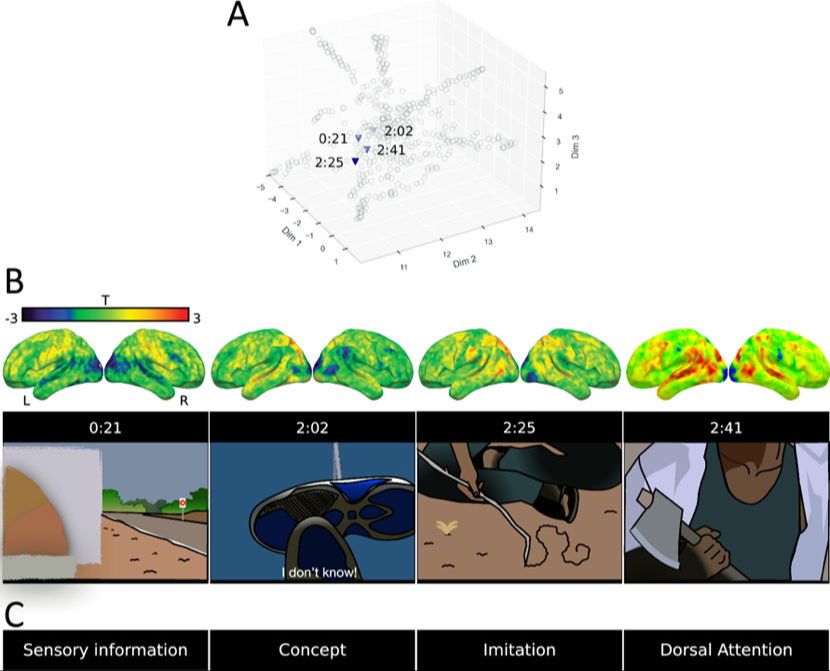
No need to say what you think, I'll know.
"The realization of this new way of understanding and visualizing cognition offers a major opportunity: that of being able to guess, from an image of the brain, the cerebral activity at play."
The wonderful world of intelligent algorithm bias control
The biases that algorithms can develop are known and numerous. While everyone recognizes the need for regulation, the challenge of drafting enforceable and effective regulations is on the table. The Regalia pilot project is trying to devise ways.
Follow the evolution of the algorithms
"The tremendous computational power that quantum computing offers requires a rethinking of high performance computing (HPC) algorithms."