The social contract denied to people with disabilities
These outcasts of society
We like to believe that every human being has the same opportunities and is as much a part of society as everyone else, provided they act appropriately. However, people with disabilities can do everything, and yet they don't have the same rights as the so-called "able-bodied", a term that already shows the condescension present in the social sphere.
Because disability situations are multiple and complex, the icon of the man in the wheelchair should never have been used, as it is so reductive. The reality is heterogeneous, affecting millions of individuals who, over the course of their lives, will experience temporary or permanent constraints requiring adaptations.
Except that no one really wants to make these adaptations. Public transport and housing are still largely unadapted. French companies prefer to pay fines rather than hire people with "limitations".
Every day, people with disabilities hear speeches either pitying or admiring them, some even daring to assert that, in such a situation, they would take their own lives. Hence the importance of remembering that it's not these people who are the obstacles to society, but rather we who pose them with a misplaced sense of superiority.
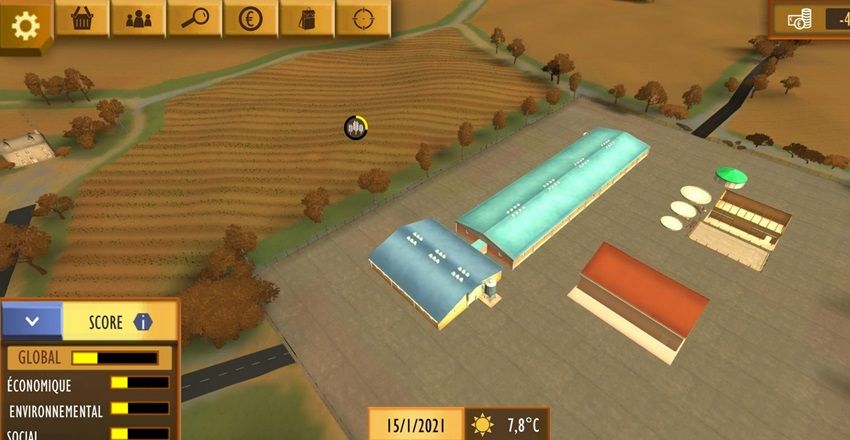
There's nothing simple about being a farmer. You have to plan your activities throughout the year, make sure you have the right machinery, maintain it and so on. All with a view to ecology. A serious French game seeks to teach agroecology.
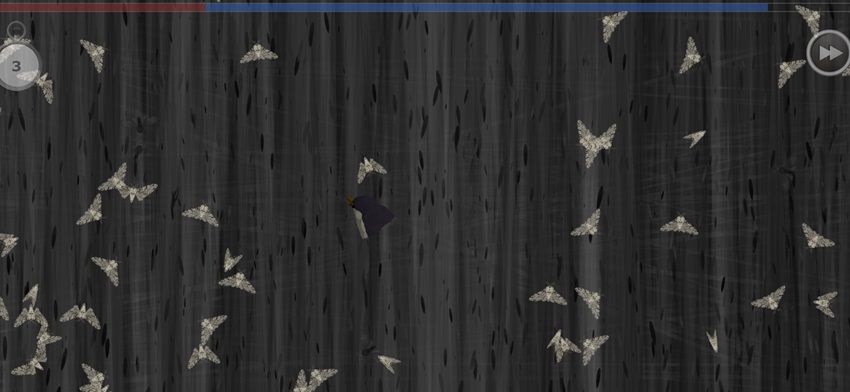
An original approach to depression. The game's metaphor is well conceived, a little dark and informative about a problem that affects millions of people.