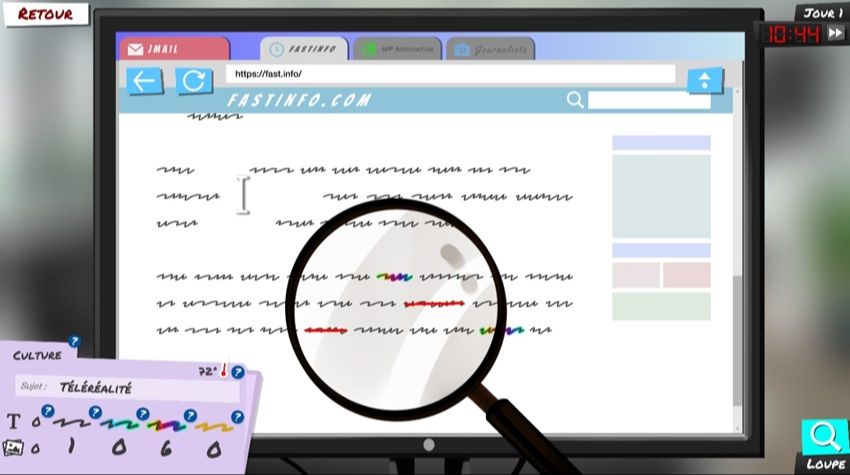
Newscraft: the game that puts you in the shoes of a reporter
A serious game that explains and brings to life the notion of news selection and the editorial line of different types of media.
Publish at September 09 2025 Updated September 09 2025



You've almost certainly rated something recently. Whether it's a delivery, customer service, a hotel room or a driver, rating has become a major trend over the years. There's nothing new about this approach. As far back as the 18th century, some school systems began to assess students, not to ensure an overall improvement in learning, but to sort them out and create competition between them.
Today, however, grading systems are everywhere. First introduced by Amazon, among others, they are now wall-to-wall on the Internet. There's no need for long texts from pretentious critics who cronyize with restaurant owners. People "like us" give their opinions on restaurants, rooms rented, etc., with the exception that these ratings are not binding.
But these ratings are not innocent. Some companies literally use them to create undue pressure on their employees without improving anything. The rating becomes a weapon that can lead to the success or demise of a business. A problem made all the greater by the knowledge that some reviews are fake, created by robots or malicious people. In the age of this new "star wars", we may need to reform labor codes to protect workers.
Running time: 17:31
Image: David Jones from Pixabay
You might also like:
Newscraft: the game that puts you in the shoes of a reporter
A serious game that explains and brings to life the notion of news selection and the editorial line of different types of media.
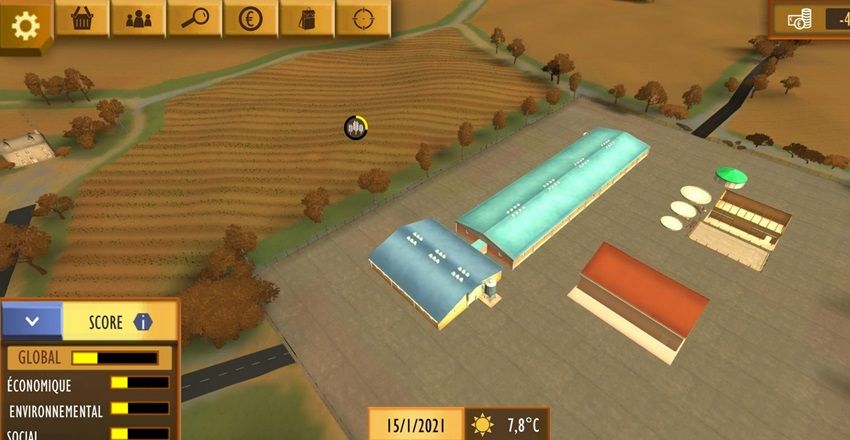
Reflecting on agroecology through play
There's nothing simple about being a farmer. You have to plan your activities throughout the year, make sure you have the right machinery, maintain it and so on. All with a view to ecology. A serious French game seeks to teach agroecology.
Koam, playing with balanced nutrition
A veritable showcase for public health, Koam was developed by Nutrikeo, a consulting firm specializing in nutritional strategies. Supported by BPI France, the Nouvelle Aquitaine region and Europe, Koam is the result of two years' work by a team of leading specialists in nutrition, childhood, pedagogy, sociology, digital and behavioral theory.
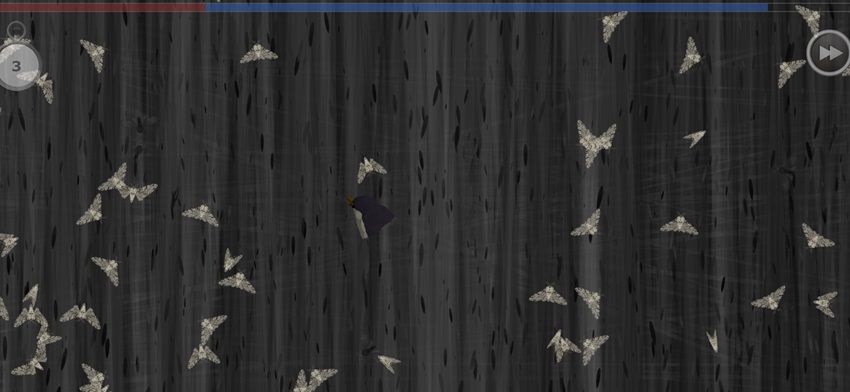
"Phalenes! understanding natural selection through play
A serious game designed to demonstrate natural selection and its effects on a moth population.