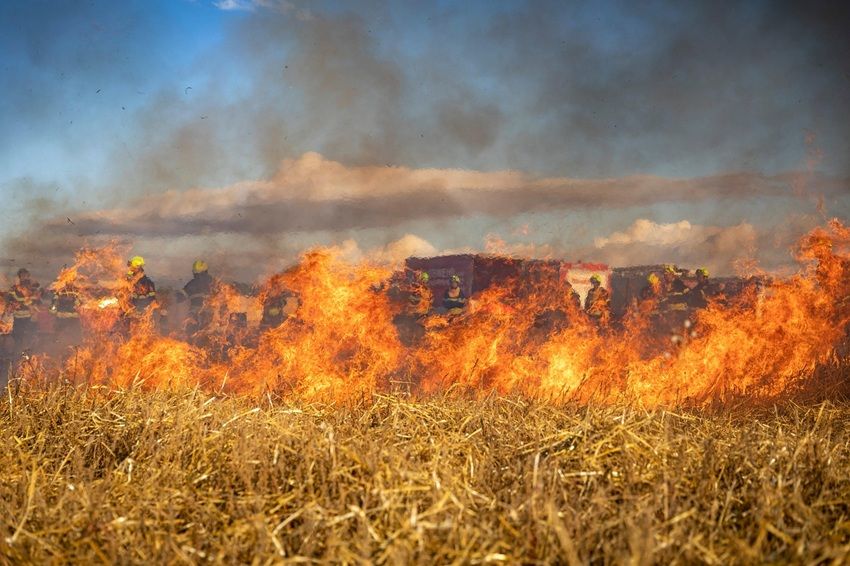
With profound changes in human societies come sometimes dramatic consequences. The urban exodus, for example, has led cities to expand beyond their "natural boundaries", overtaking land once tended by farmers. The latter proved to be very practical buffer zones against forest fires, which no longer posed much of a threat to urban agglomerations. In the summer of 2025, Marseille saw fires coming dangerously close to exactly that.
So the experts say: we need to rethink the landscape around cities to better protect them from fire. This means setting up "pyrop landscapes", places that will prove to be barriers where fire can occur without catastrophic consequences.
This can be achieved by thinking in terms of plant strata, from small shrubs to more flame-resistant arboreal species. Another solution is to practice prescribed burning, a modern version of pastoral braziers, which is carried out by experienced personnel. They create modest fires, letting certain vegetation burn with control, which could serve as fuel in the event of a fire, thereby reducing the risk of spread. But convincing communities and politicians of the importance of these landscapes is a major challenge.
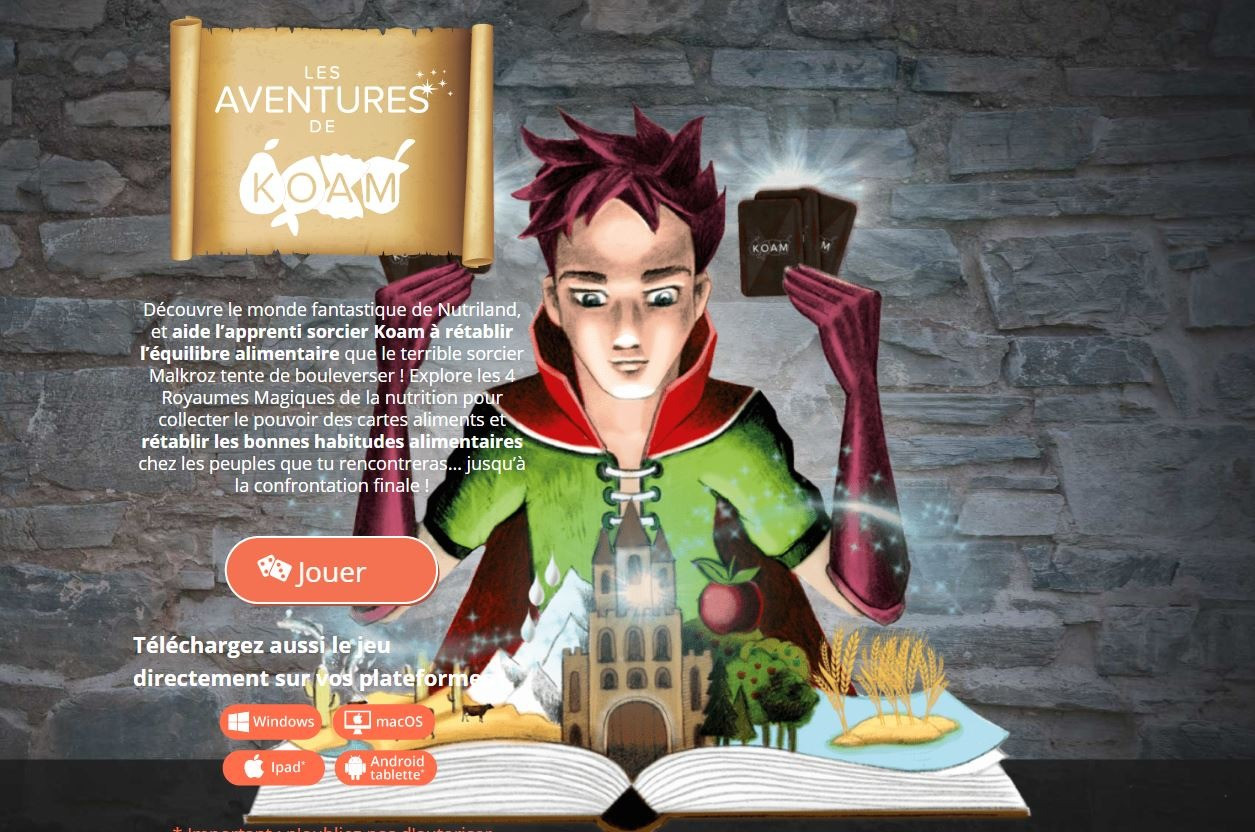
A veritable showcase for public health, Koam was developed by Nutrikeo, a consulting firm specializing in nutritional strategies. Supported by BPI France, the Nouvelle Aquitaine region and Europe, Koam is the result of two years' work by a team of leading specialists in nutrition, childhood, pedagogy, sociology, digital and behavioral theory.
The sharing economy has led to small changes in various economic sectors such as transportation, housing, etc. This approach has changed the relationship of citizens for different services, now cheaper and offered by their fellow citizens. However, who actually benefits from this new economy? The people or the companies in question? A U.S. newsgame shows how the life of Uber drivers isn't as lucrative as one might think.
How do you talk to children about genetics and heredity? A British museum has come up with the method: design a game in which you create a line of adorable creatures with precise objectives. The game is fun, colorful and easy to learn. Even adults will succumb to the charms of the bugs and their large families.