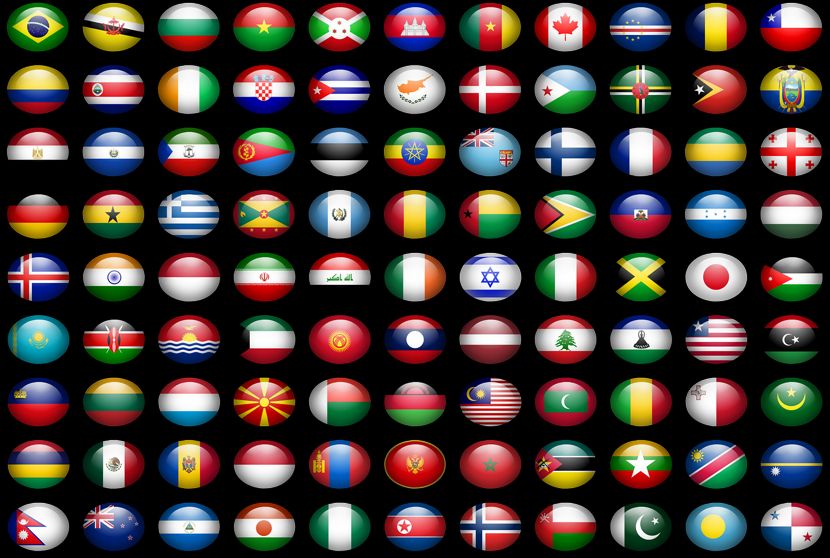
Multilingual education as a factor of integration
The complex situation of multilingualism in some countries with migratory phonemes calls for better management of learners in the classroom.
Publish at December 02 2025 Updated December 04 2025



How to ethically facilitate with generative artificial intelligence
This article is reserved for subscribers to the full edition. You can subscribe Here.
You might also like:
Multilingual education as a factor of integration
The complex situation of multilingualism in some countries with migratory phonemes calls for better management of learners in the classroom.
Small victories always precede big successes
We often forget that behind the big victories, thousands of small ones have shaped the path. What if we stopped to acknowledge and celebrate them? According to science, this is much more motivating and healthy for us.
Experimenting with risk to adapt
It's sometimes difficult to understand children who don't dare to do very much. However, it's not usually their fault: they're victims of overprotection by adults, who don't give them the keys they need to analyze their environment or adopt appropriate strategies. Shouldn't we let them grow up and experiment on their own? When societal overprotection undermines the ability to adapt.
The stability of instability in public speaking
How do stability and instability work together in public speaking?