Newscraft: the game that puts you in the shoes of a reporter
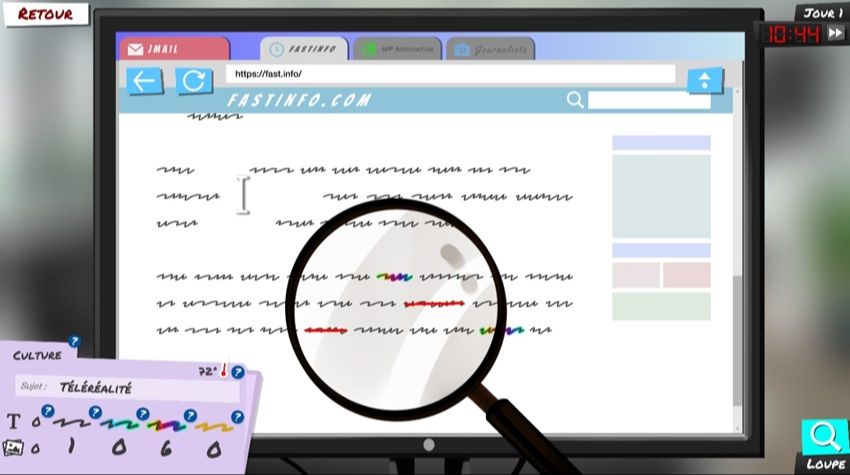
A serious game that explains and brings to life the notion of news selection and the editorial line of different types of media.
Publish at December 10 2025 Updated December 10 2025


We're at a turning point where generative images are asserting their presence. A.I. is capable of creating images, music and videos that are nothing short of realistic. Yet anyone interested in the phenomenon realizes one thing: there's something disturbing about these images created by algorithms. Something inhuman. And with good reason, as this very artistic ARTE report shows, the singularity is disappearing.
Artificial intelligences don't create. You'd think they would, but in fact they only reproduce. As information scientist Philip Di Salvo puts it so well, they count. That's all they know how to do. Calculate statistically according to our requests to offer an answer, a close creation, without imagining. So they start from a pre-existing framework that they can't question. So, if the framework is sexist, racist or based on patriarchal aspects, everything they come up with will be tinged with that.
What's frightening for the future of AI, then, is the loss of singularity. The images designed show a smoother side, which fails to reproduce the human shadows, the differences, those little features that make us what we are. All the more so as we'll soon reach a point - and we're probably there already - where AIs will no longer be fed solely from human sources, but also from old calculations by the algorithm or others.
Standardization lies in wait. It's up to creators, artists and us humans to make sure that, alongside AI, there are real productions with imperfections and unique aspects.
Running time: 25min33
Image: JetalProduções from Pixabay
You might also like:
Newscraft: the game that puts you in the shoes of a reporter
A serious game that explains and brings to life the notion of news selection and the editorial line of different types of media.
Reflecting on agroecology through play
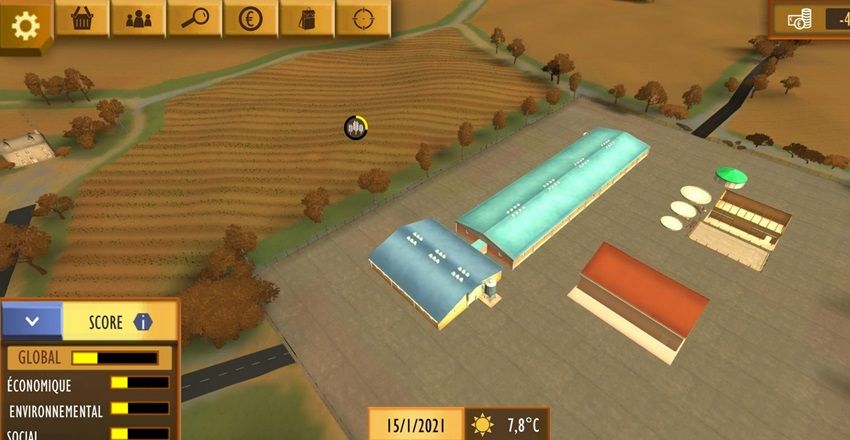
There's nothing simple about being a farmer. You have to plan your activities throughout the year, make sure you have the right machinery, maintain it and so on. All with a view to ecology. A serious French game seeks to teach agroecology.
Tests of vigilance and attention
Measuring attention remains a concern in many settings. Some work tasks are not very error tolerant. Here are a series of sample tests to measure attention in children and adults.
"Phalenes! understanding natural selection through play
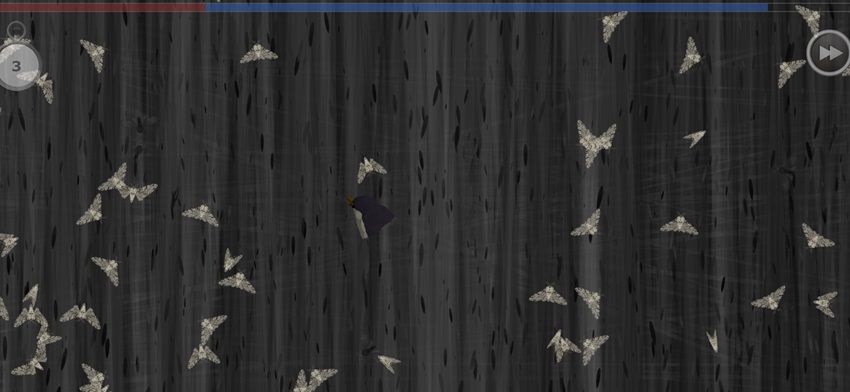
A serious game designed to demonstrate natural selection and its effects on a moth population.
Learn the mechanisms of misinformation with Bad News
Understand the strategies of online disinformation through an interactive experience that puts you in the shoes of a fake news propagator.