The implementation of study environments for distance learning
Six elements of a successful operational study environment for distance education
.Publish at January 28 2026 Updated January 28 2026


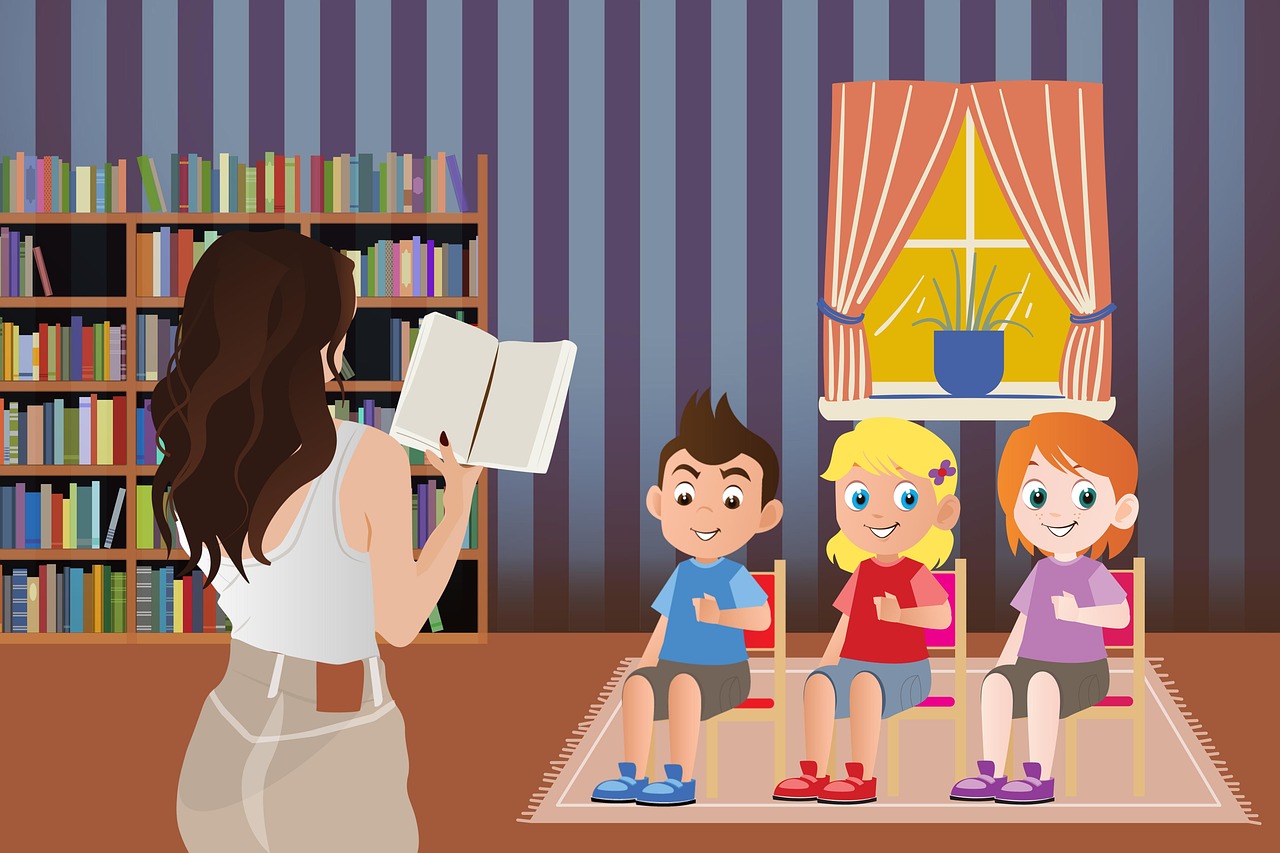
Parachute reading is an exciting exercise that simulates learners' search for quality.
This article is reserved for subscribers to the full edition. You can subscribe Here.
You might also like:
The implementation of study environments for distance learning
Six elements of a successful operational study environment for distance education
.Virtual reality and vocational training: between promise and vertigo
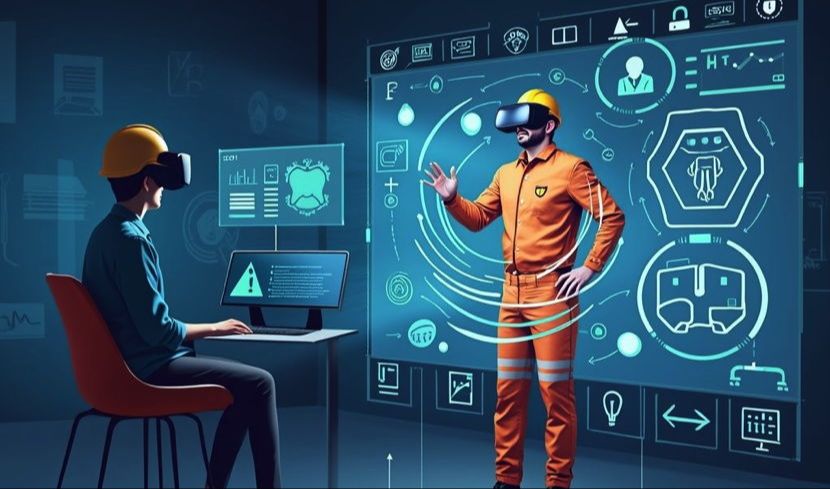
What does the shift from situation-based to simulation-based training entail? Virtual reality simulations are revolutionizing training, enabling risk-free practice despite the complexity of the situations involved. But their widespread use raises questions: what effect will they have on knowledge, professions and professional identities? The challenge is to integrate them with discernment, so as to enrich experience without losing the meaning of work.
The art of the teacher in the face of algorithms
Adaptive platforms promise to automatically adjust the difficulty "to measure" each learner, thanks to data. But calibrating a challenge is more than just optimizing indicators. The algorithm individualizes based on traces; the pedagogue contextualizes based on a human, relational and symbolic situation. The challenge is not to pit human against machine, but to preserve pedagogical discernment in the face of algorithmic optimization.
Manipulating for "the good of the other": the paradox of benevolent influence
A balanced, caring human relationship presupposes that each person can retain power over his or her own life and responsibility for his or her actions. When we set out to help, educate or simply obtain something from another person, we can lose this balance.
What role for the teacher after a natural disaster?
Health and natural disasters follow one another over time. The strength of human beings lies in their ability to rebuild after disasters. To achieve this, everyone must do their part, including teachers. They have an essential role as trusted adults to whom young people can communicate their emotions. They can also use the events to teach them about natural phenomena, among other things.