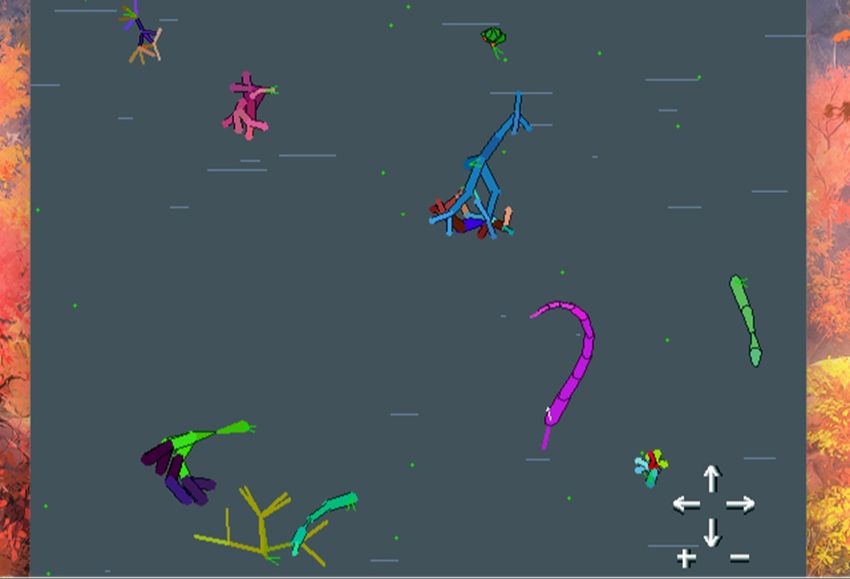
A virtual aquarium to understand Darwinian evolution
Is it possible to understand evolution through simulation? It would seem so. A very interesting resource for high school science classes.
Publish at February 11 2026 Updated February 11 2026


For more than a thousand years, people have been using gunpowder not just for war, but also for entertainment. The first fireworks were set off in China, and have grown in popularity elsewhere in the world over the centuries. Today, they are associated with national celebrations, sporting competitions, the arrival of the new year and so on.
Except that these days, pyrotechnic displays are becoming less and less popular, particularly in Central Europe. More and more people are realizing the harmful aspects of these noisy shows, which have effects on wildlife frightened by the explosions, on the environment, since the various chemicals used to produce the colors fall back into watercourses, and even on human health.
Indeed, there are repercussions on people's hearing and lung health after fireworks displays. As a result, many are looking to the future for these shows. Scientists are trying to create the same coloring effects with products that do not pollute.
Others are opting for equally colorful, but eco-responsible alternatives. In Austria, for example, a mountain resort has opted to use LED lights and water features that are much less polluting, use a reusable source and have no harmful effects on flora and fauna.
Many are also interested in drone shows, which are able to create spectacular scenes in darkened skies and even tell stories more easily. The small rechargeable devices could perhaps put an end to the already perishing reign of pyrotechnics.
Running time: 30min21
Learn more about this resource
You might also like:
A virtual aquarium to understand Darwinian evolution
Is it possible to understand evolution through simulation? It would seem so. A very interesting resource for high school science classes.
A multiplayer game designed for people with disabilities
Video games designed for people with disabilities are already a rare resource. An experience that allows multiple players is even rarer. Yet this latest creation from "Ludociels for All" challenges players to light up an entire maze by walking balls of light.
A fun game about heredity and genetics - Welcome to Thingdom
How do you talk to children about genetics and heredity? A British museum has come up with the method: design a game in which you create a line of adorable creatures with precise objectives. The game is fun, colorful and easy to learn. Even adults will succumb to the charms of the bugs and their large families.