Criticizing can put us in an awkward position, so many people prefer to refrain from direct criticism. But what is the mechanism that prompts us to restrict the expression of our own judgment? Of course, we are sometimes wrong, but that's not a good enough reason to make it a principle.
Socially, for the individual, not being isolated is more important than being heard. In practice, public criticism can provoke rejection, attract sanctions and marginalize its authors, hence a certain social conformism dictated by prudence. But constantly holding back from criticizing an irritant ends up generating frustration and ultimately a form of apathy or demotivating cynicism, which is far from desirable. When even humor is considered an attack, you can't expect much initiative.
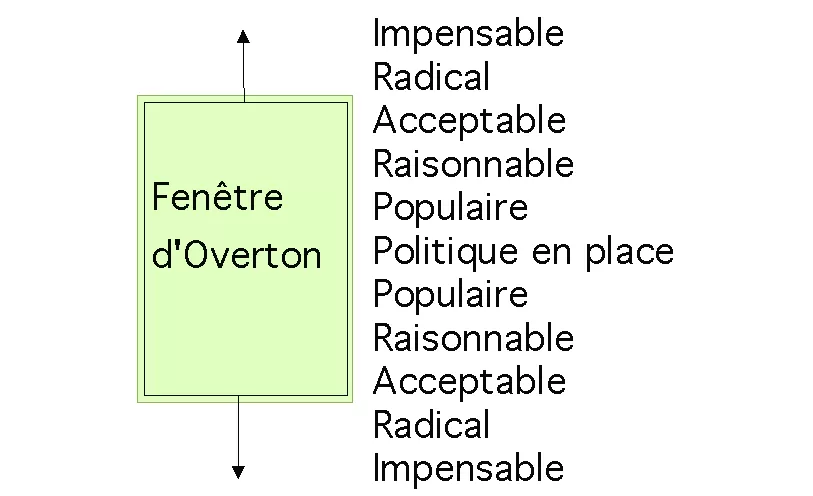
On the contrary, dynamic environments are capable of accepting criticism, and some forms of criticism are not only acceptable but of great value. To develop a culture open to criticism, it's not just a question of defending freedom of expression as much as opening safe feedback channels and defining the boundaries between which critical expression will be accepted. Anonymous criticism doesn't have the same value as criticism endorsed by its author, nor does it carry the same message. "I can criticize, and if what I say is relevant, the benefits outweigh the risks". This is the level of openness to aim for. Critical and public expression reveals how much truth an authority is willing to accept without a desire for retribution.
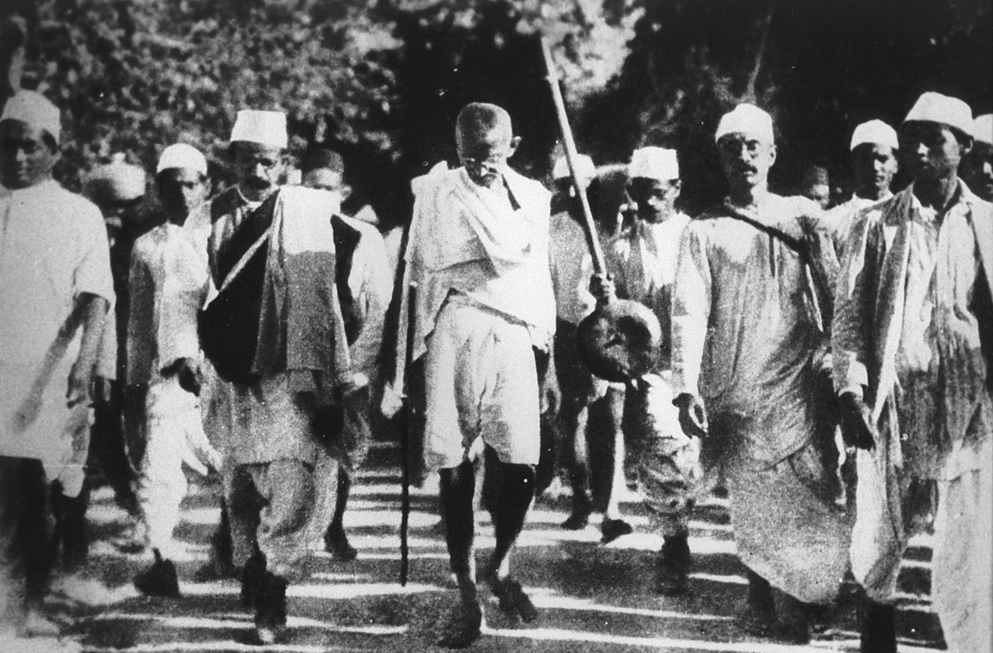
Rhetorical skills can make a criticism more incisive, but will do nothing to protect its author; building support and extending influence can make things easier, but often prove insufficient under a regime of intimidation. Knowledge is one thing, wisdom in the choice of means to express it is another. Sometimes actions speak louder than words, as the protest strategies developed under oppressive regimes clearly demonstrate. These models can inspire us, and also tell us to what extent we are or are not under such a regime, and in what areas criticism is risky. Everywhere, there are certain subjects that cannot be discussed without risk.
How can education encourage a critical attitude? Beyond freedom of expression, we have a duty to transmit both the means to criticize constructively and the dispositions to receive and consider criticism for what it is: feedback that can often be useful.
Denys Lamontagne - [email protected]
Illustration: Shutterstock - 2622648453