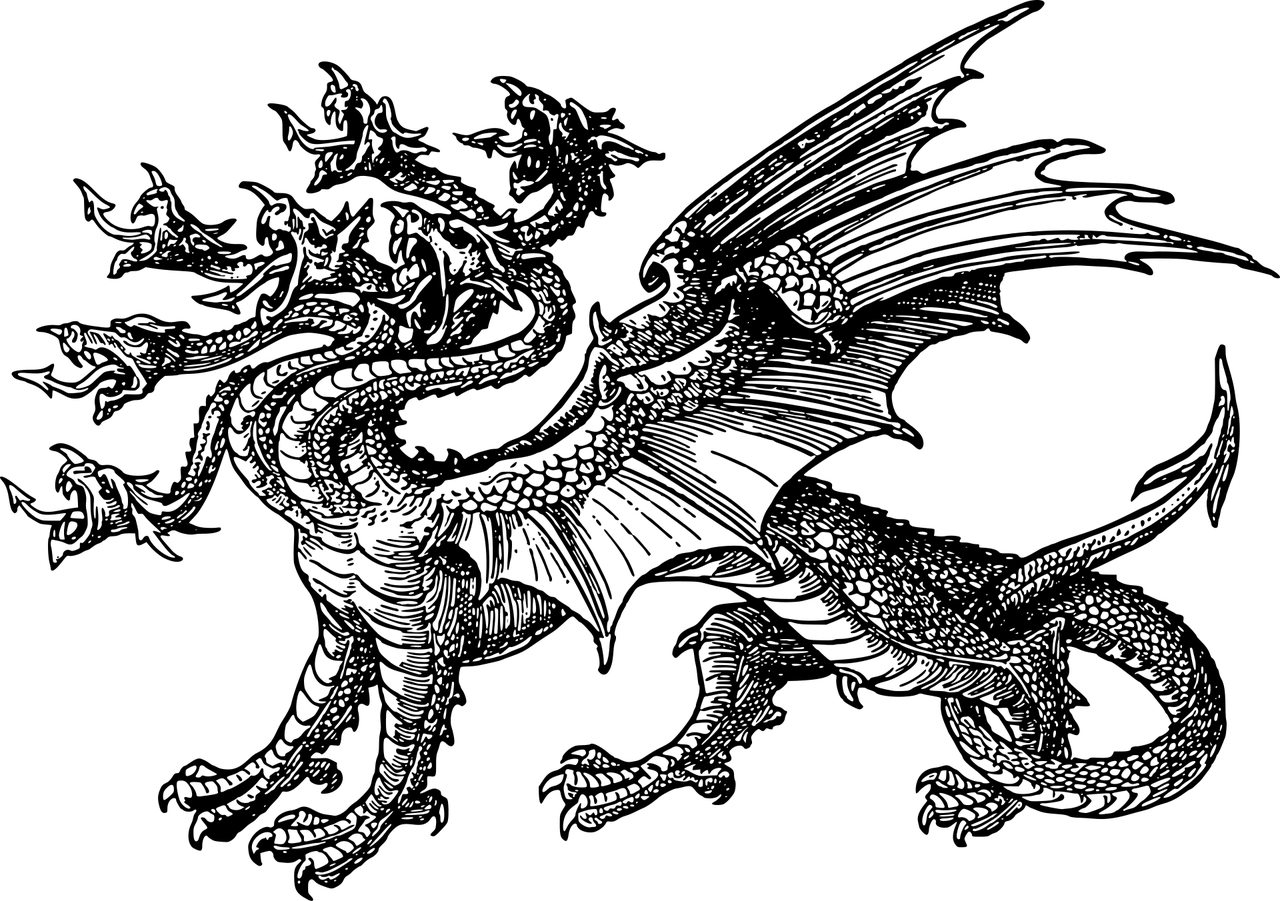
In mythology, the Hydra was a snake that ravaged the lands around Lerna in Greece, whose heads would grow back and multiply if cut off. It was defeated by Hercules, who succeeded first in getting rid of its helpers, then with his ally Iolaos, in preventing its heads from growing back, and finally in burying the immortal head and preventing it from coming out by placing a huge stone on it. He also used its poisoned blood to coat his arrows.
This is the challenge that INRIA and its ally VigiNum have set themselves over the next few years: to defeat the Hydra of disinformation and those who feed it.
The clever disinformer
In the face of multi-faceted disinformation campaigns capable of intoxicating the workings of institutions, the appropriate response will necessarily be deployed on several levels, ranging from the detection and processing of campaigns to technological, human and regulatory responses.
The strategic and complementary partnership between INRIA and VigiNum aims to combine INRIA's scientific excellence (AI, data analysis, modelling) with VigiNum's operational expertise, providing concrete cases and real-time data from its foreign interference detection missions.
INRIA will mobilize its research teams to transform these issues into cutting-edge technological tools, and to better understand the mechanisms of dissemination.
- Detection: Identify AI-generated content, coordinated campaigns and false information (often mixed with truth to better deceive).
- Multimodal analysis: Study texts, sounds and videos by combining digital sciences with human and social sciences (geopolitics, community analysis).
- Understanding dissemination by analyzing the role of recommendation algorithms and influencers in propagating attacks.
When you consider how easy it is to hijack A.I. control tags, and how irresponsible social network algorithms are in letting crooks and manipulators get away with it, as long as it doesn't affect their profits, you'd think that INRIA and Viginum would soon be getting involved in politics...
For the full article: Information manipulation: how Inria and VIGINUM join forces
Illustration : Gordon Johnson - Pixabay
Learn more about this
news
Visit inria.fr
See more news from this institution