Taking an interest in others rather than retreating into one's own beliefs
The question of open-mindedness is not a simple one. It is often perceived as a way of backing away from one's own thoughts, values and so on, when in fact it is not a way of convincing. As this exchange with a psychosocial counsellor reminds us, the idea is above all to understand that the other is a human being and to develop empathy in order to explain where he or she comes from.
She gives the very Quebecois example of field hockey, which can be a divisive subject if we focus on teams, but if we concentrate on what we love about the sport, we find common ground.
So, when it comes to mental health issues, an open-minded attitude on the part of those around us and society at large is essential to help people navigate through the different emotions they feel. This requires a genuine interest in the problem in question, whatever it may be, and even more so in what the sufferer is experiencing.
Of course, it can be easy to simply dismiss the person's thoughts as strange or not grounded in reality. But that's forgetting that the individual's thinking has developed in this way for all sorts of reasons (many of them unknown), and that mocking or frustrating oneself brings nothing but shame to the other person.
In the case presented here, the customary context of concerted project development was a key factor in achieving the objectives, but also in keeping to the relatively tight schedule. It is also this context that makes it possible to predict that this project has every chance of succeeding, since it is not only supported by politicians, but also by the residents who are genuinely involved in its development.
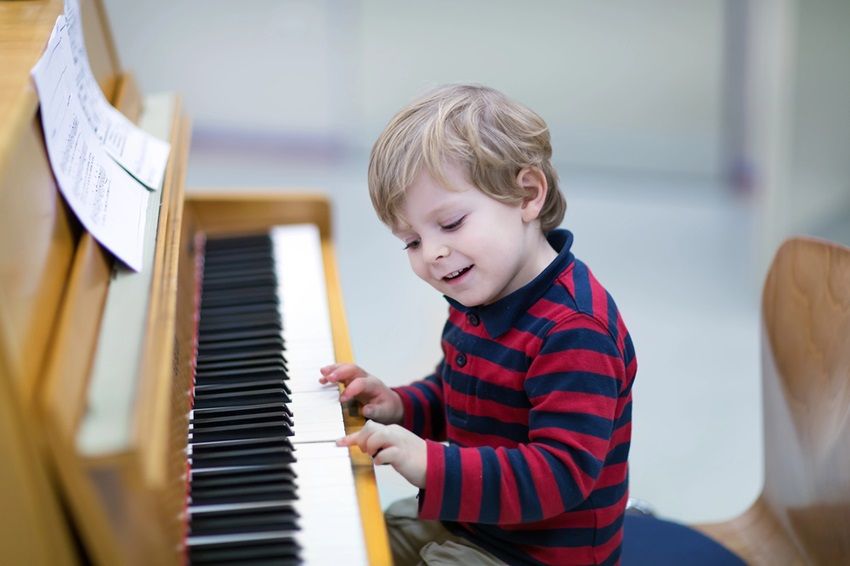
Music is one of those areas where the school seems to take only one approach. In general, this consists of learning the scale, sheet music and then technique for different instruments. However, there are active methods that can be used from an early age to familiarize students with the language of music.
What do you buy when you order an e-learning course? A lot of media... and some instructional design. Without this essential ingredient, your training is likely to bore participants and fail to achieve its goal.
The last twenty years have seen the disciplining of Belgian development NGOs, following the Paris Declaration on Aid Effectiveness and neoliberal governance policies. NGOs manage to dance with these constraints. And this dance is transforming each of the actors to the rhythm of political and administrative reforms.
Because it evokes conviviality, hospitality, and exchange, but also because it requires coordination and following instructions, cooking is a particularly rich space for communication. Language teachers have understood this. It is a useful recipe for working on grammar and vocabulary. But cooking also provides an opportunity to address a whole cultural component: lifestyles, geography, agriculture, family organizations,...