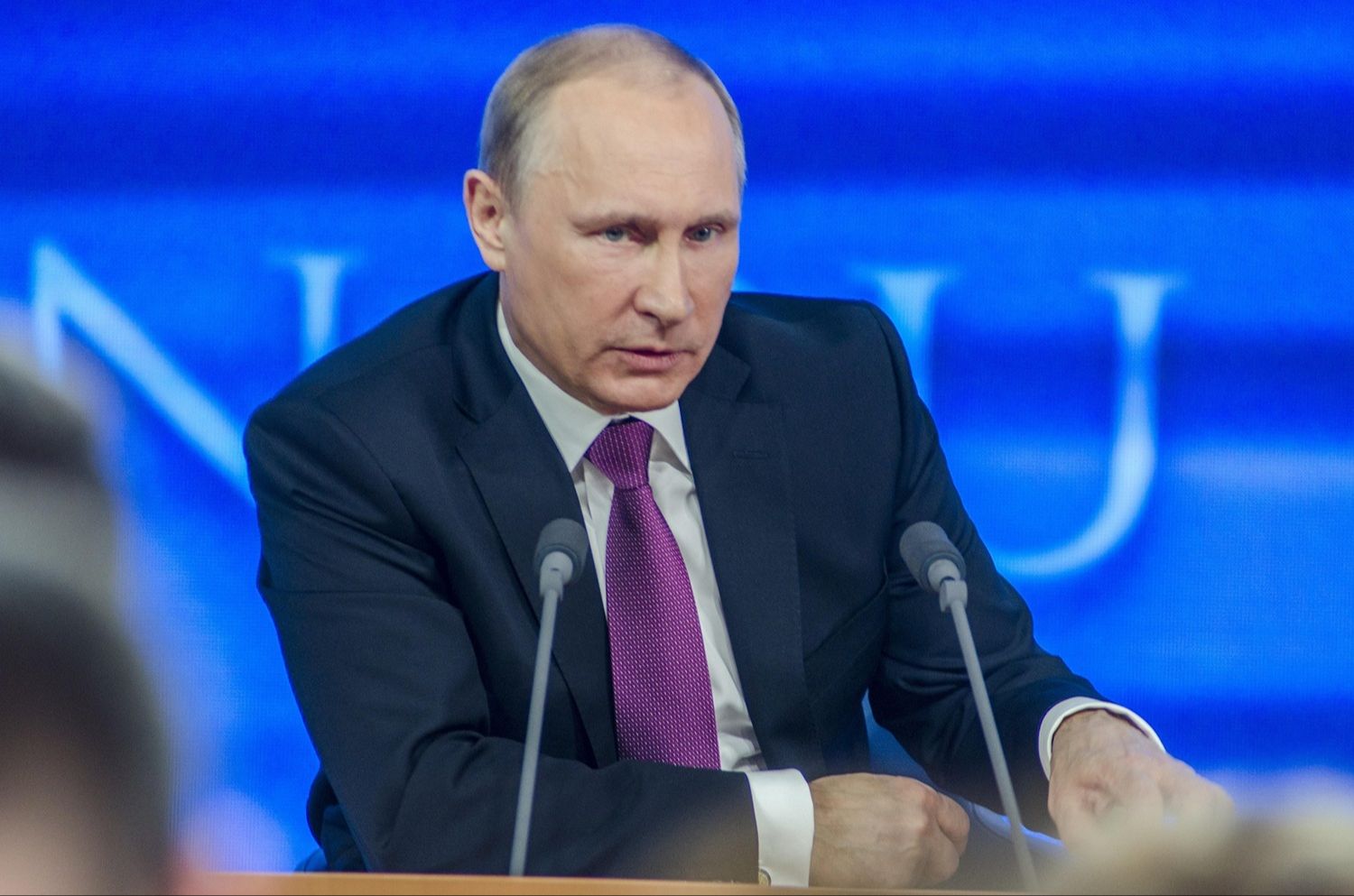
Historical strategies still shaping Russian negotiations
Cold War instructions still relevant today
Some may dream of becoming diplomats and international negotiators to ease tensions, put an end to conflicts and so on. Yet no one wants to rub shoulders with the Russians, especially Vladimir Putin. Russia's leader of nearly 30 years has a reputation for knowing how to get what he wants.
Back in 1952, at the height of the Cold War, American emissaries received a document setting out the various points to be taken into account when dealing with the Soviet Union. More than half a century later, much of this advice remains relevant.
Because President Putin used to work for the KGB, he's well aware of the rules established at the time. Those of Mr Gromyko, aka "Mr Niet", who managed to destabilize Henry Kissinger, one of the greatest American diplomats in history. The rules followed by this erudite Russian man were: demand the maximum, threaten and give nothing away. In short, a far cry from the Western vision of conciliation.
Putin has not only continued this ideological discipline, he also has the privilege of time. He is in no hurry, believing that every minute of every day brings him closer to his goals. What's more, his team of diplomats remains the same, whereas those of Western countries change regularly, giving him a distinct advantage.
Finally, the former interrogator knows how to create psychological pressure by arriving late, using symbols of domination and even playing on fears, as when he let in a huge dog during a negotiation with Angela Merkel, who is rather fearful of canines.
All this may explain why, for example, the issue of the war in Ukraine is dragging on so long.
Many serious games address the topic of sustainable development. Yet before such solutions were proposed, innovative people had to go against the social grain and fight to improve their environment. A humorous adventure game, hosted by the National Film Board, teaches children the attitudes they need to adopt to make a difference.
The sharing economy has led to small changes in various economic sectors such as transportation, housing, etc. This approach has changed the relationship of citizens for different services, now cheaper and offered by their fellow citizens. However, who actually benefits from this new economy? The people or the companies in question? A U.S. newsgame shows how the life of Uber drivers isn't as lucrative as one might think.
An original approach to depression. The game's metaphor is well conceived, a little dark and informative about a problem that affects millions of people.