Limiting overtourism without killing the economy: a global challenge
What else can you do with the influx of tourists?
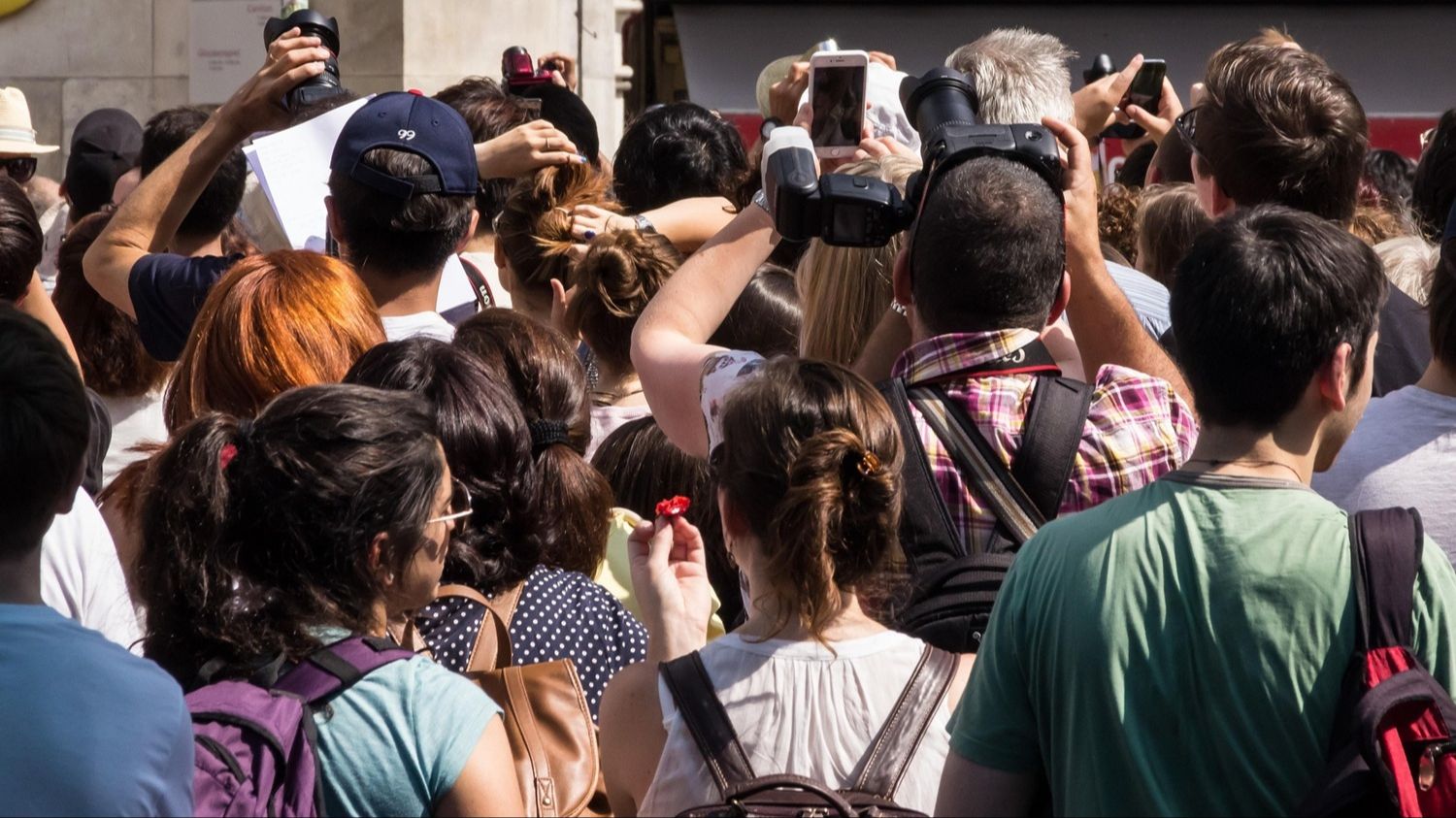
The covid-19 pandemic has taken its toll on the tourism industry during the 2020s and 2021s. Much of the world was confined and at a standstill, and there was a certain fear of travel. All the more so as the virus was easily spread by airplanes and cruises. When the crisis was over, however, tourism was back in full swing, much to the chagrin of the inhabitants of tourist cities such as Barcelona, Venice and others, who had enjoyed the peace and quiet without the pollution associated with mass tourism.
As a result, mayors and other public authorities began to take the bull by the horns. While mass tourism has not gone away, elected representatives have introduced regulations to ensure that local residents are no longer disadvantaged by a lack of housing, services moving away from them in favor of tourist structures, and so on. In some cases, even smartphones and their access to the public network are used to count and define the geographical origin of visitors to the city. The idea is to keep up with trends and, above all, to reduce over-tourism.
This is all the more complex as this financial sector is essential in many countries. Yet locals often don't see a penny of the profits raked in by multinational travel companies and governments. The concept is to try and put the real benefits back into the hands of local people. Some people are also using technology to create interesting multimedia itineraries that would help spread the flow of tourists and keep them away from crowded areas.
All our lives have an online component. As a result, a large proportion of Internet users are at risk of being tricked by hackers. A short game invites Internet users to remember certain elements of cybersecurity using a space theme.