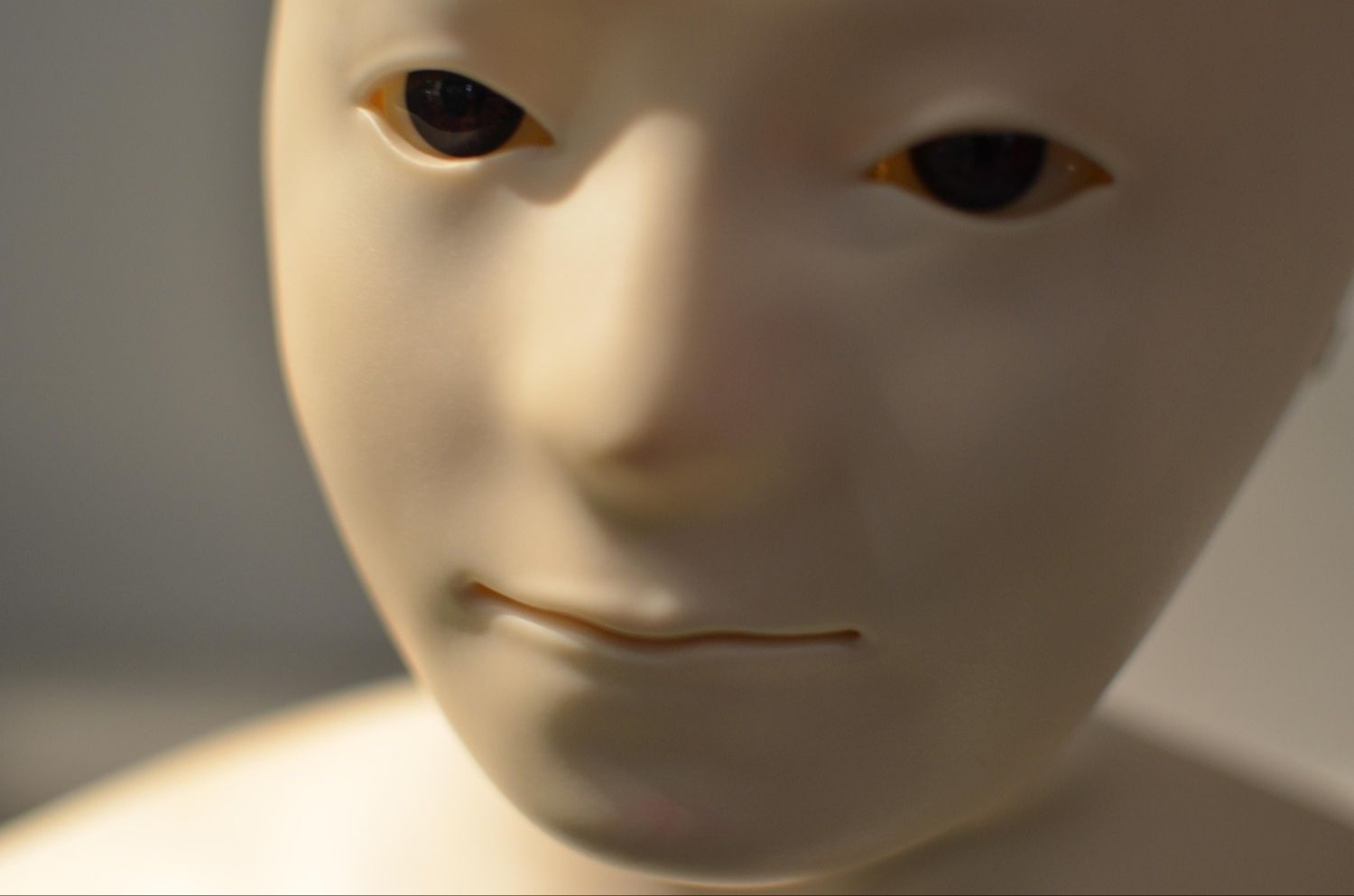
Humanoid robots: a lucrative mirage for the tech industry
What if our obsession with androids is distracting us from possible futures?
Lately, all the big techies have been bombarding us with the idea that humanoid robots will soon be arriving en masse, as depicted in so many science-fiction universes. But, as this video by youtuber Bolchegeek shows, reality isn't quite so simple.
For a long time now, people have been talking about and trying to show that independent human creations could see the light of day. From Talos in antiquity to the Turkish chess-playing automaton, there have been many demonstrations of artificial beings, at times impressive for their time.
Reality often turns out to be a shameless manipulation: in many cases, it's a matter of prestidigitation, of tricks performed by ingenious mechanisms but which run up against potential in real life. Because in everyday life, most humanoid robots aren't much use, so they're more likely to replace us. Despite this, the major technology hubs from Asia to Silicon Valley are playing on the future potential. The media are on board at every turn. And why? Because it's lucrative, and it's great advertising for the services of this or that technology company.
In fact, entrepreneurs are trying to sell us this "cyberpunk" salad when all the dystopian elements are in place, minus the awesomeness of flying cars, androids, neon cities and holograms everywhere, and so on. And what if this obsession with robots is distracting us from the possibility of thinking about futures that would go elsewhere, but would ultimately be far more interesting for people?
In our desire to gargle with futuristic imaginings of the past, perhaps we're forgetting that it's time to invent futures based on what we know in the 21st century.
For some, the image of museums is that of a place where collections gradually gather dust and are looked at and photographed by visitors. This is far from the truth. Museums are constantly changing their exhibits and infrastructures, and this has enabled them to survive the new demands of recent years.
How to make a virtual classroom dynamic and make its students actively participate, all from a distance? Wooclap can help you! Presentation of this application that will shake up (positively!) our approach to distance learning.
Do animals talk? Will we ever be able to understand them and communicate with them? What about the promise of the web giant Amazon on its human/animal translator?
What about the promise of a human/animal translator?