The line between manipulation and authenticity is clear, yet many people cross it. All sorts of justifications can be invoked to manipulate, if any at all, and this practice is reputed to be delicate because manipulation is designed to lead the target towards what is hidden or unsuspected from him, while playing on his emotional levers and psychic biases, in other words, without his conscious agreement.
Revealing the intention of the manipulation generally renders it inoperative, and makes it pass by on the side of the information available to us. So why not communicate the intention directly? Was it unavowable, or was it the target's own prejudice or incapacity that made it necessary?
Some manipulations are well-intentioned; parents often use them, as do institutions and governments when it would be too long or complicated to explain, but in all cases the responsibility of the manipulated is evacuated and placed on the manipulator. When the manipulator remains anonymous, impersonal, diffuse, rigid or unreachable, we call it "structural". When manipulation becomes systematic, programmed or algorithmic, it's called "active ignorance", "nudge", "propaganda" or "bias".
How much does the school system manipulate its students, parents or society? Quite little, because its intentions are generally clear, shared and discussed. If the school wants to form responsible beings, it doesn't manipulate them, period. Those who want to turn schools into instruments that deviate from this principle are easy to identify.
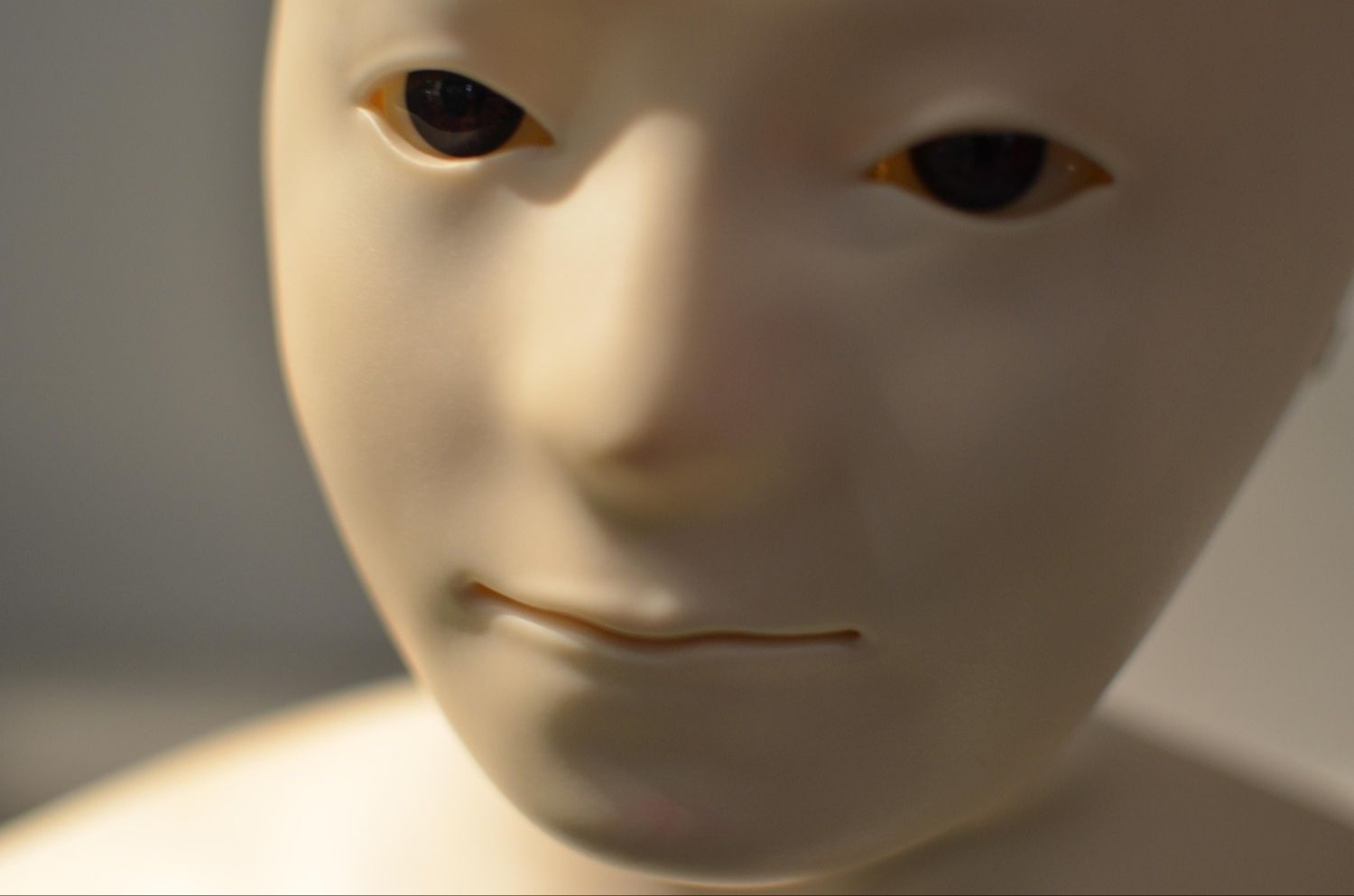
Individuals, companies, institutions and even nations can be judged by the criterion of authenticity. With A.I., however, the exercise is less easy, because you can't follow its reasoning. It manipulates like a mirror, without even knowing it, and turns the responsibility back on the person who believes it, some to the point of catastrophe. Even the designers of A.I. can't know just how far it will go, and we're expecting to see some fine legal cases!
Authenticity and transparency appear to be the solvents of manipulation. We'd love to find a manual on the "Art of Authenticity", with a set of general principles. Perhaps on the philosophical side? In the meantime, education remains an excellent tool for limiting the misuse of trust.
Denys Lamontagne - [email protected]
Illustration: Shutterstock - 2516058145