Too much information, too fast: fertile ground for manipulation
Disinformation has free rein online
We're in the perfect climate to be manipulated. With artificial intelligence and the unprecedented amount of information circulating online, everything you need to manipulate the masses is just a click away. Let's not forget the difference between misinformation and disinformation: willpower. In the latter case, the idea is to really deceive others, whereas in the former it's unintentional.
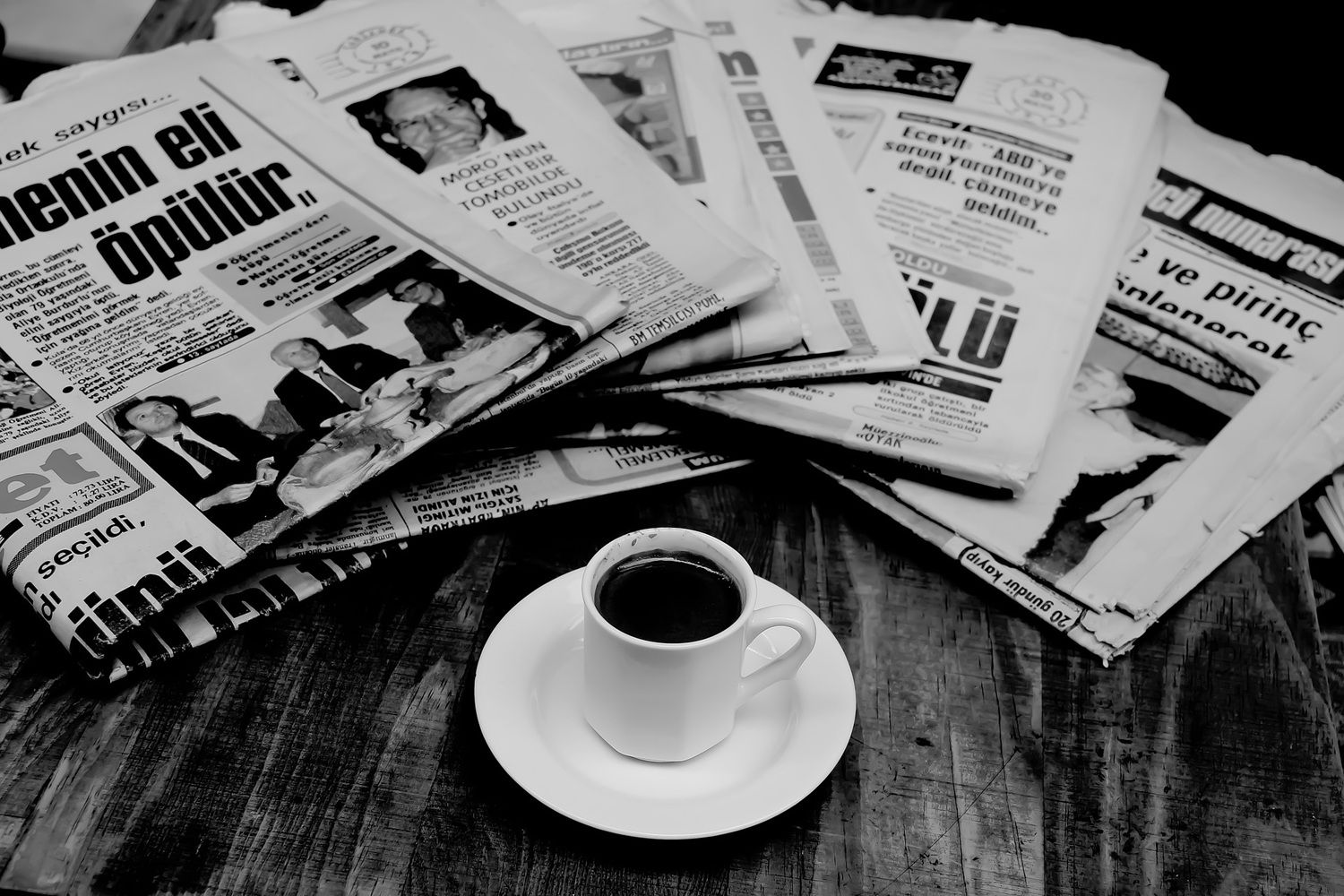
Misinformation is nothing new. For a long time, political or interest groups have been trying to divert debate. Back in the day, the tobacco industry tried to drown out studies showing the dangers by picking out a few contrarian scientists and trying to point to other causes.
The difference between then and now is that it's even easier with the Internet. With so much information circulating every day, we succumb to confirmation bias, targeting those that go our way rather than those that contradict. Add to this powerful digital tools capable of reproducing the voices and images of personalities, and it's easy to get lost in this mass of news.
Fortunately, this age of doubt also brings with it some interesting reflexes. Many of us will immediately question the source, go and check things out, and so on. Skills we can all use. The only difficulty is the time involved, given the amount of information we're bombarded with every day. Perhaps tools will be available to help identify deceptions, but in the meantime, you really need to put your analytical skills to good use, both in text and images.
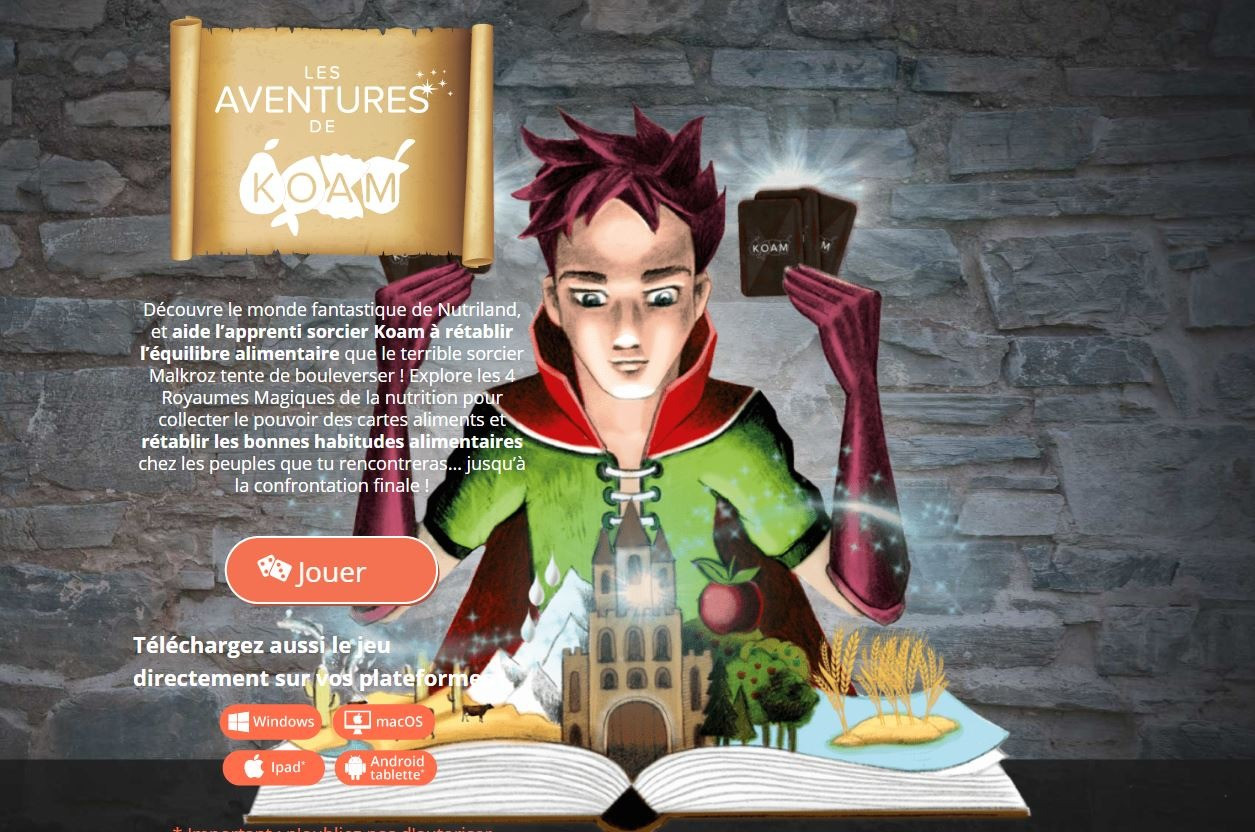
A veritable showcase for public health, Koam was developed by Nutrikeo, a consulting firm specializing in nutritional strategies. Supported by BPI France, the Nouvelle Aquitaine region and Europe, Koam is the result of two years' work by a team of leading specialists in nutrition, childhood, pedagogy, sociology, digital and behavioral theory.