Being diagnosed with dementia is often seen as a death sentence. It generally means that the brain is gradually losing its ability to memorize, think, orientate and so on. It's also difficult for loved ones to see those they've known go under, as their abilities gradually disappear. Nevertheless, it is possible for many of them to retain a degree of autonomy. Without regaining what they have lost, they can retain a greater or lesser ability to do things.
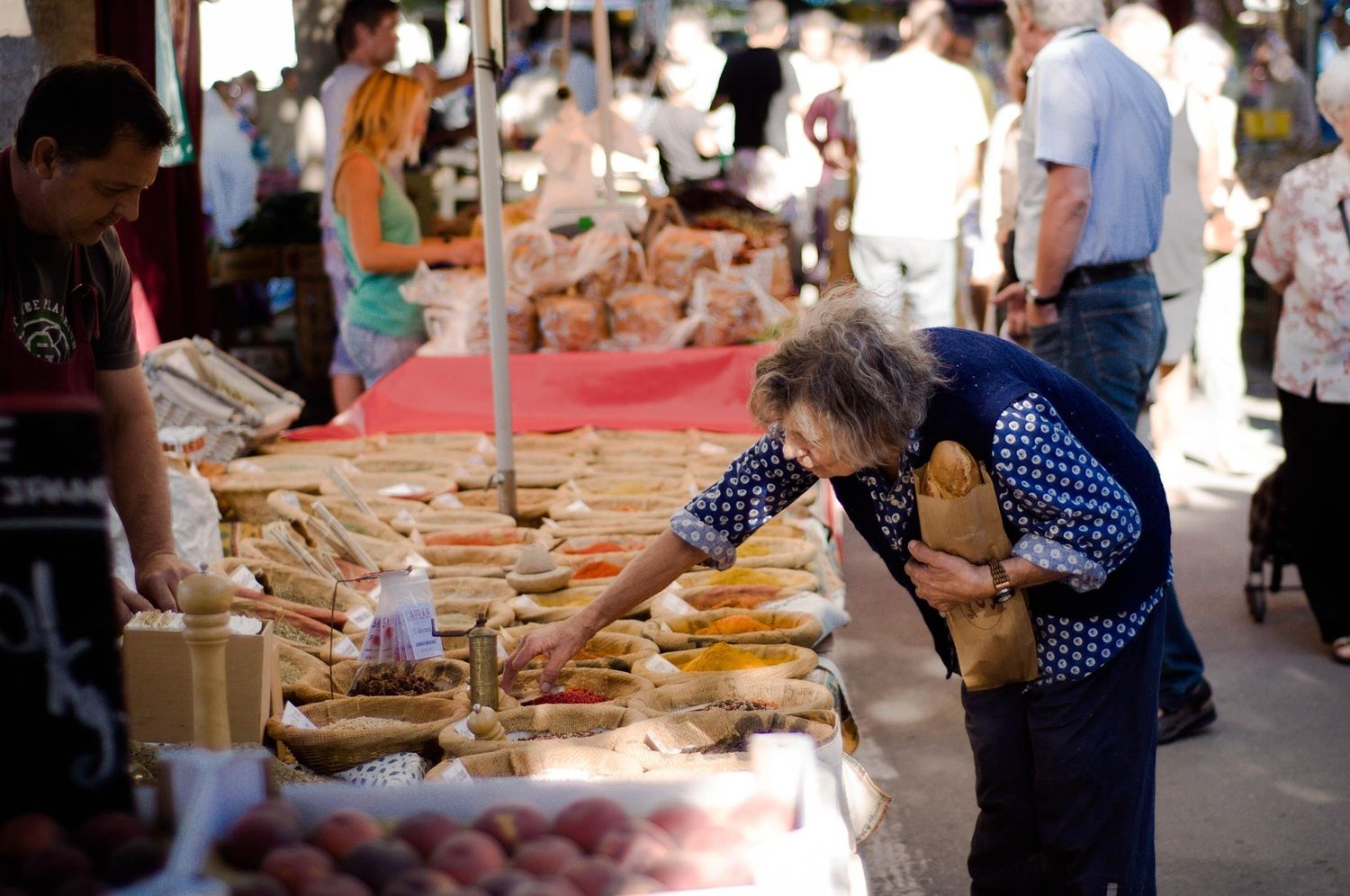
This ARTE report focuses, among other things, on the situation of people with dementia in Great Britain. Some are able, with the help of family and friends, to carry out certain activities on their own. All they need is outside help to find their way around, when suddenly they can't do it anymore. Managers of public places such as airports, theaters and markets are aware of the reality of this population, who want to be able to continue practicing their activities. As a result, they have set up certain sections specifically designed for people with dementia, among others.
Whatever their level, most people visit organizations to try and keep their minds active. The idea is to reduce cognitive loss as much as possible under the circumstances. For some, more advanced people, these centers allow them to be accompanied when their loved ones can't be present.
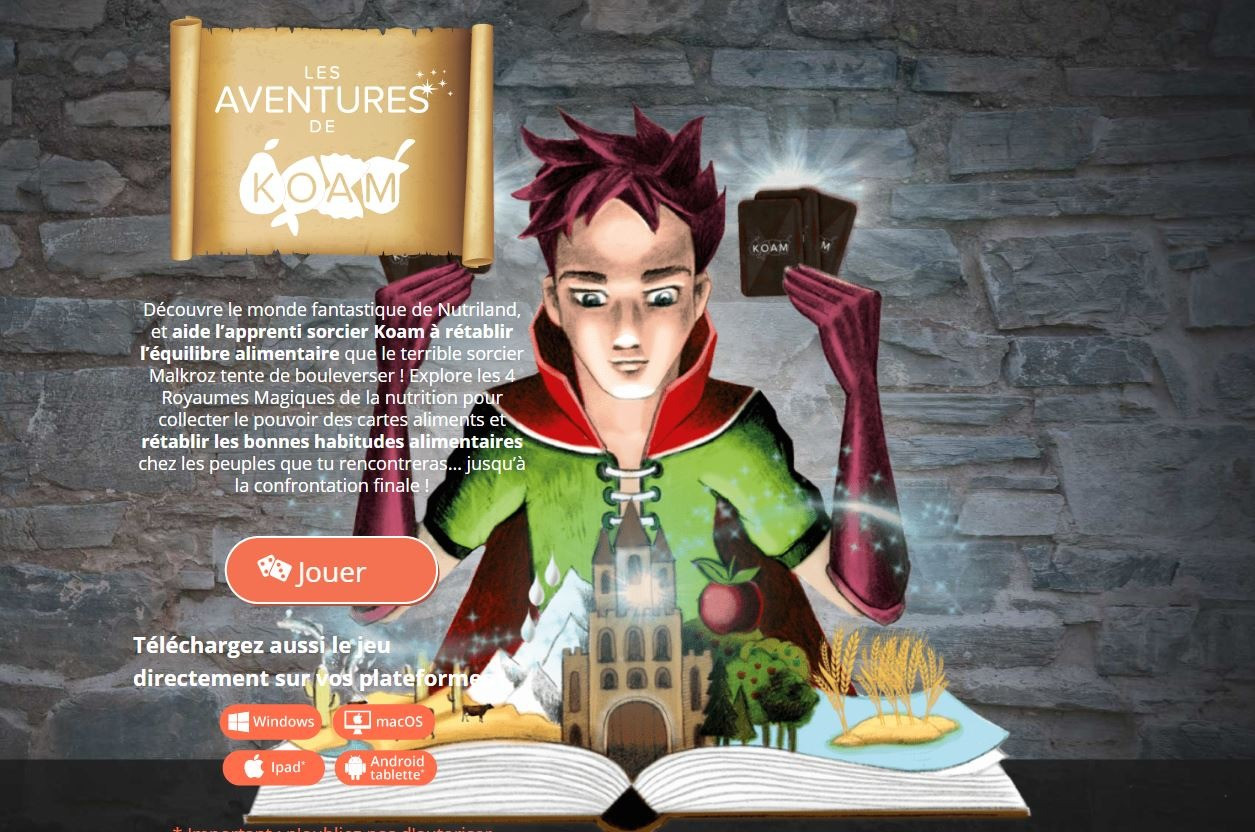
A veritable showcase for public health, Koam was developed by Nutrikeo, a consulting firm specializing in nutritional strategies. Supported by BPI France, the Nouvelle Aquitaine region and Europe, Koam is the result of two years' work by a team of leading specialists in nutrition, childhood, pedagogy, sociology, digital and behavioral theory.
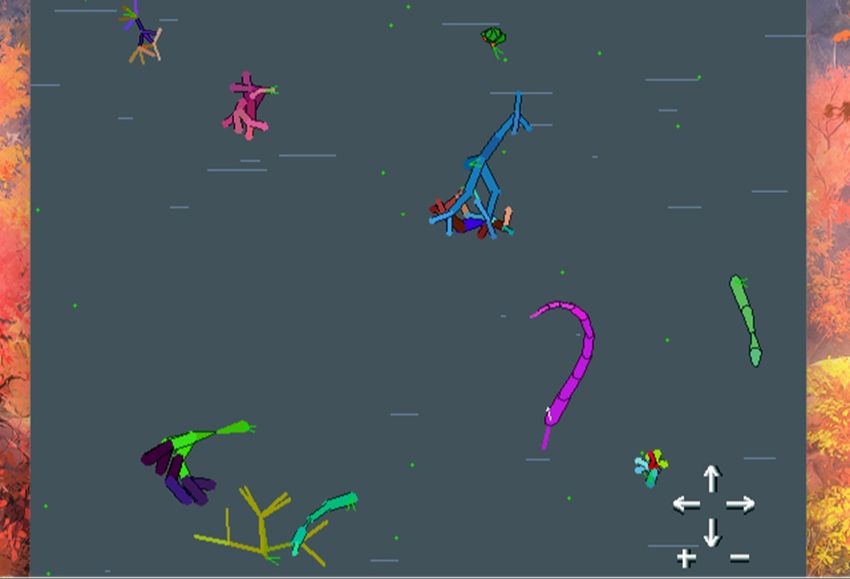
How do you talk to children about genetics and heredity? A British museum has come up with the method: design a game in which you create a line of adorable creatures with precise objectives. The game is fun, colorful and easy to learn. Even adults will succumb to the charms of the bugs and their large families.