Hostile cities: children's autonomy has plummeted in 70 years
Rethinking the city to make it more youth-friendly
The SNCF (Société Nationale des Chemins de Fer) wanted to integrate a few railcars during weekday rush hours where under-12s would not have access. A "no kids" approach that didn't go down well with the general public.
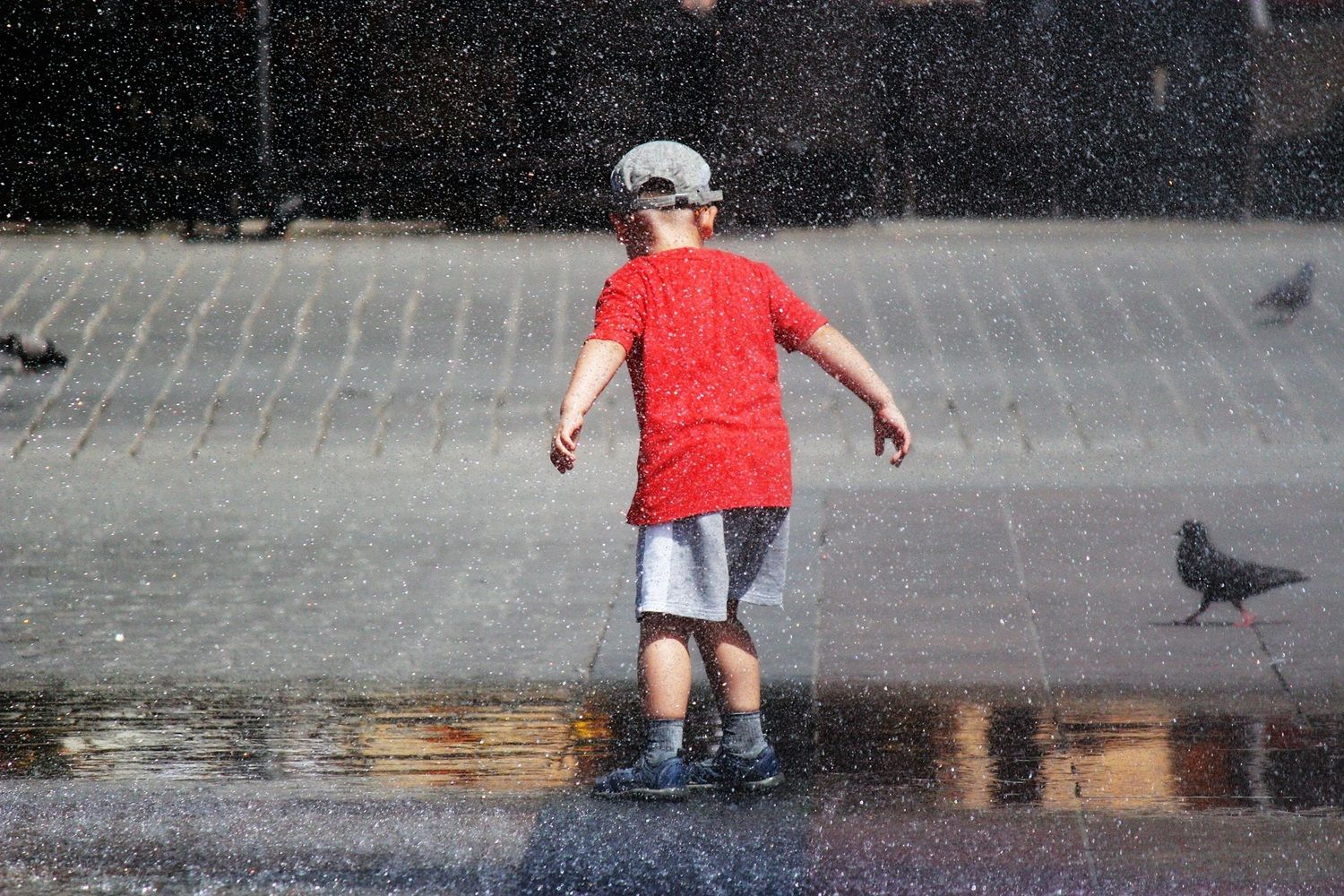
The list of places where children are forbidden is growing. Restaurants, flights, trains and more - as if the adult population could no longer coexist with the little ones. All the more so as the latter have lost all their autonomy in the cities. In 1950, children had around four kilometers of autonomy around their homes. By 1992, this had shrunk to 400 meters, and today it's 0.
More than ever, kids only go out with an adult. This can be explained by the fact that cities have been designed around the car, with the resultant increase in traffic that makes parents fear accidents. Excessive media coverage of missing children cases has also led to paranoia about the possibility of abduction.
Excluding statistics which show that abductions are increasingly rare, and are carried out in the vast majority of cases by people close to the child. The same is true of road accidents, which have fallen steadily over the past 30 years. However, it is true that the city is no longer made for children.
Francesco Tonucci, a researcher in pedagogy and psychology, deplores this and is working hard to create child-friendly cities. Little by little, cities across Europe are being persuaded to restore green spaces where little ones can climb, hide and run.
The signage of some municipalities is being redesigned to be legible at children's height and understood by them (or by citizens with certain reading deficiencies). The presence of more women in urban planning and architecture positions leads to urban designs where both children and parents can enjoy themselves and have a good time.
How do you talk to children about genetics and heredity? A British museum has come up with the method: design a game in which you create a line of adorable creatures with precise objectives. The game is fun, colorful and easy to learn. Even adults will succumb to the charms of the bugs and their large families.
An original approach to depression. The game's metaphor is well conceived, a little dark and informative about a problem that affects millions of people.
Video games designed for people with disabilities are already a rare resource. An experience that allows multiple players is even rarer. Yet this latest creation from "Ludociels for All" challenges players to light up an entire maze by walking balls of light.