Collapse is not a sudden fall, but a transformation
Our obsession with the fall of empires overlooks a number of factors
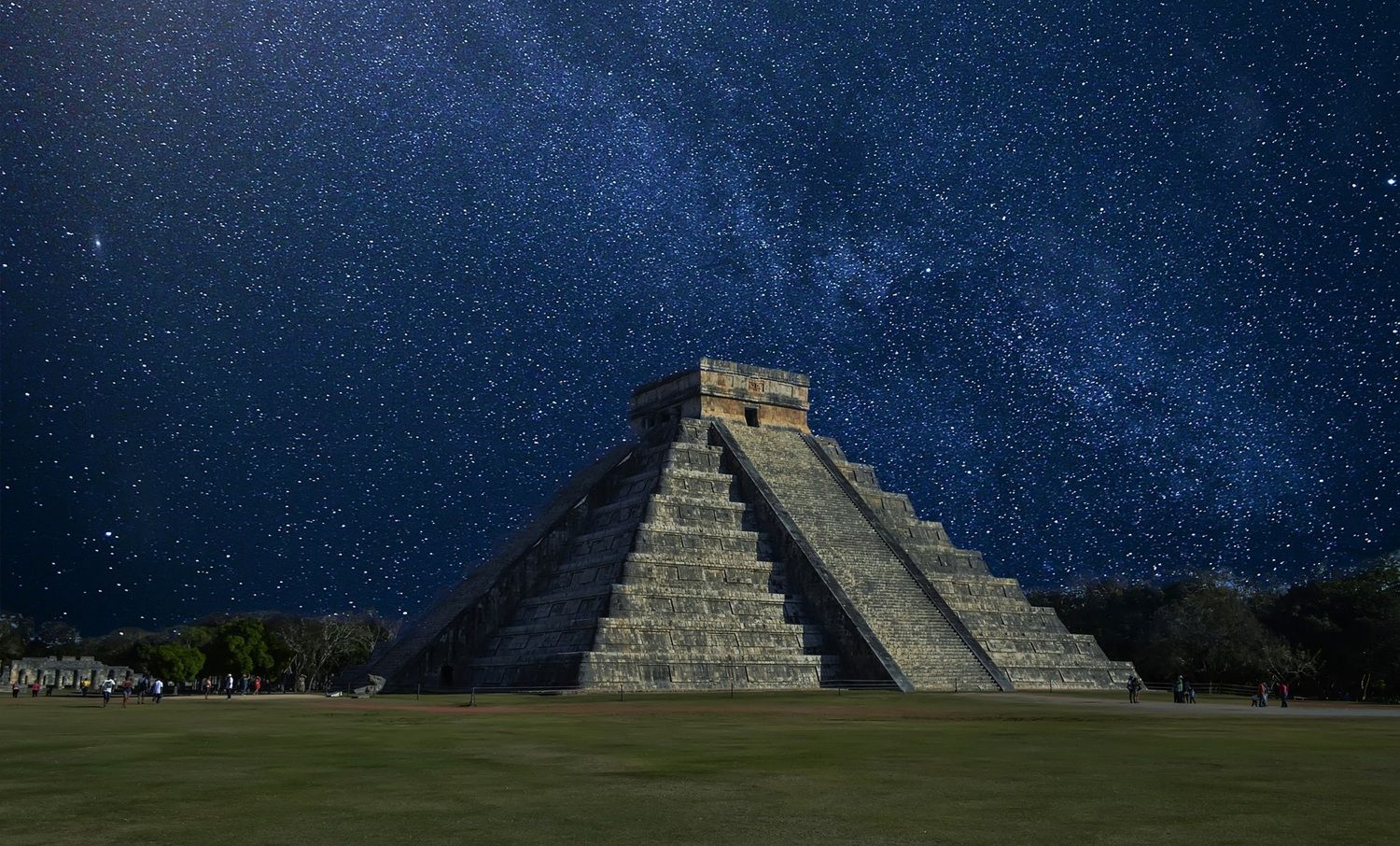
We're often obsessed with ancient civilizations and their collapse. We see the ruins of ancient palaces, temples and the like, and fantasize about what might have led these beautiful places to their demise. Because while the majority of known civilizations have had their heyday, they all eventually fell and disappeared.
However, we often have a brutal and very moral view of the end of peoples, when the reality is far more complex. For example, in the 18th century, the historian Gibbons theorized that the Roman Empire collapsed due to sudden apathy and decadence, with a fair amount of corruption. However, what he denounced already existed in the first centuries of the flourishing civilization.
The reality is that changes have taken place, and circles on the periphery have begun to offer more money to "barbarian" lords, etc. The same goes for the Maya, who, yes, experienced conflicts, but also other environmental issues and European colonization that played a part in the end of their reign in Central America.
Perhaps, rather than focusing on the potential downfall of our societies, it would be wiser to assume that things have changed and that we can no longer do as we did in the 18th, 19th or 20th century. Empires have often disappeared through their inability to adapt to the world around them, or by alienating their neighbors.
If we were to opt for the opposite, we would once again see human resilience. For, despite the "collapses", people have persevered. For example, there are still 7 million Mayans in Mexico and neighbouring countries. They no longer have the glory of yesteryear, but they continue to walk their land. A lesson to be learned.
The sharing economy has led to small changes in various economic sectors such as transportation, housing, etc. This approach has changed the relationship of citizens for different services, now cheaper and offered by their fellow citizens. However, who actually benefits from this new economy? The people or the companies in question? A U.S. newsgame shows how the life of Uber drivers isn't as lucrative as one might think.
To a layman, music is just a tune performed by a musician. Yet, if he were to play Meludia, he would learn all the rudiments and terms associated with musical practice.
Many serious games address the topic of sustainable development. Yet before such solutions were proposed, innovative people had to go against the social grain and fight to improve their environment. A humorous adventure game, hosted by the National Film Board, teaches children the attitudes they need to adopt to make a difference.