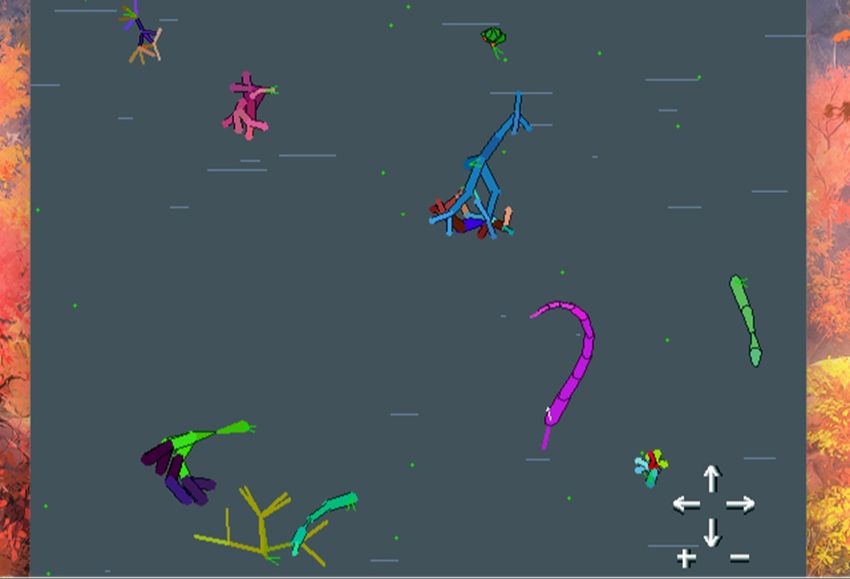
A virtual aquarium to understand Darwinian evolution
Is it possible to understand evolution through simulation? It would seem so. A very interesting resource for high school science classes.
Publish at June 02 2026 Updated June 04 2026



The job interview is the final step before being recruited. For the employer, it's a question of being able to rate the candidates in order to choose the one (or ones) with whom he/she wishes to work, while the latter are looking to enter this selection process. To achieve this, however, you need to take a number of factors into account beforehand, otherwise you run the risk of running out of chances very quickly.
External factors such as punctuality at appointments (ideally showing up five to ten minutes before the meeting) and dress can make or break a person. It's not always necessary to be dressed to the nines for an interview; it all depends on the work environment. Nevertheless, even in more "relaxed" environments, it's best to avoid dirty clothes or clothes that are a little too similar to what you'd wear when you're just at home.
During the discussion, it's a good idea to have already prepared a "pitch", as the vast majority of recruiters will ask you to talk about yourself, in order to fully understand your application. It's important to be precise, relatively concise and relevant to the field you're applying to. The idea is to be able to bounce back and demonstrate your qualities precisely, with examples.
Finally, when the recruiter asks if you have any questions, always ask one or two, to demonstrate your genuine interest in the organization.
Length: 7 minutes
Image: Mohamed Hassan from Pixabay
You might also like:
A virtual aquarium to understand Darwinian evolution
Is it possible to understand evolution through simulation? It would seem so. A very interesting resource for high school science classes.
Tests of vigilance and attention
Measuring attention remains a concern in many settings. Some work tasks are not very error tolerant. Here are a series of sample tests to measure attention in children and adults.
"Space Shelter: Google's cybersecurity game
All our lives have an online component. As a result, a large proportion of Internet users are at risk of being tricked by hackers. A short game invites Internet users to remember certain elements of cybersecurity using a space theme.
The Englishes MOOC course was developed by an artist and is designed for anyone interested in the (English) language. It explores the history of English, its pronunciation, and its relationship to the art world.
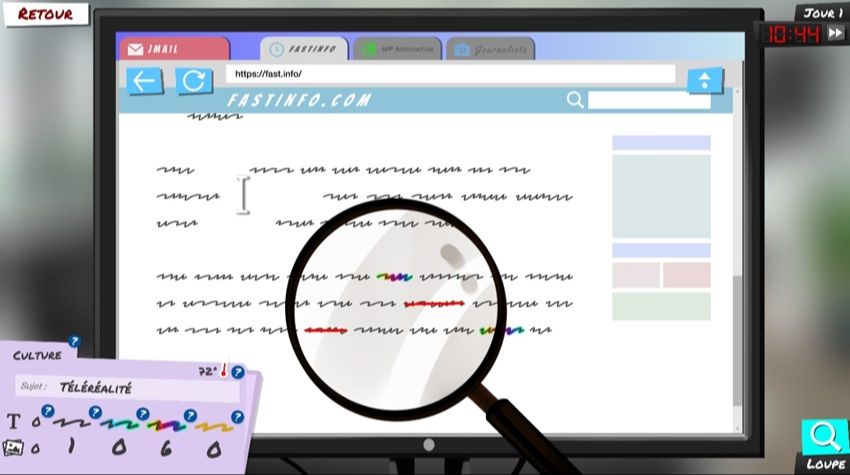
Newscraft: the game that puts you in the shoes of a reporter
A serious game that explains and brings to life the notion of news selection and the editorial line of different types of media.