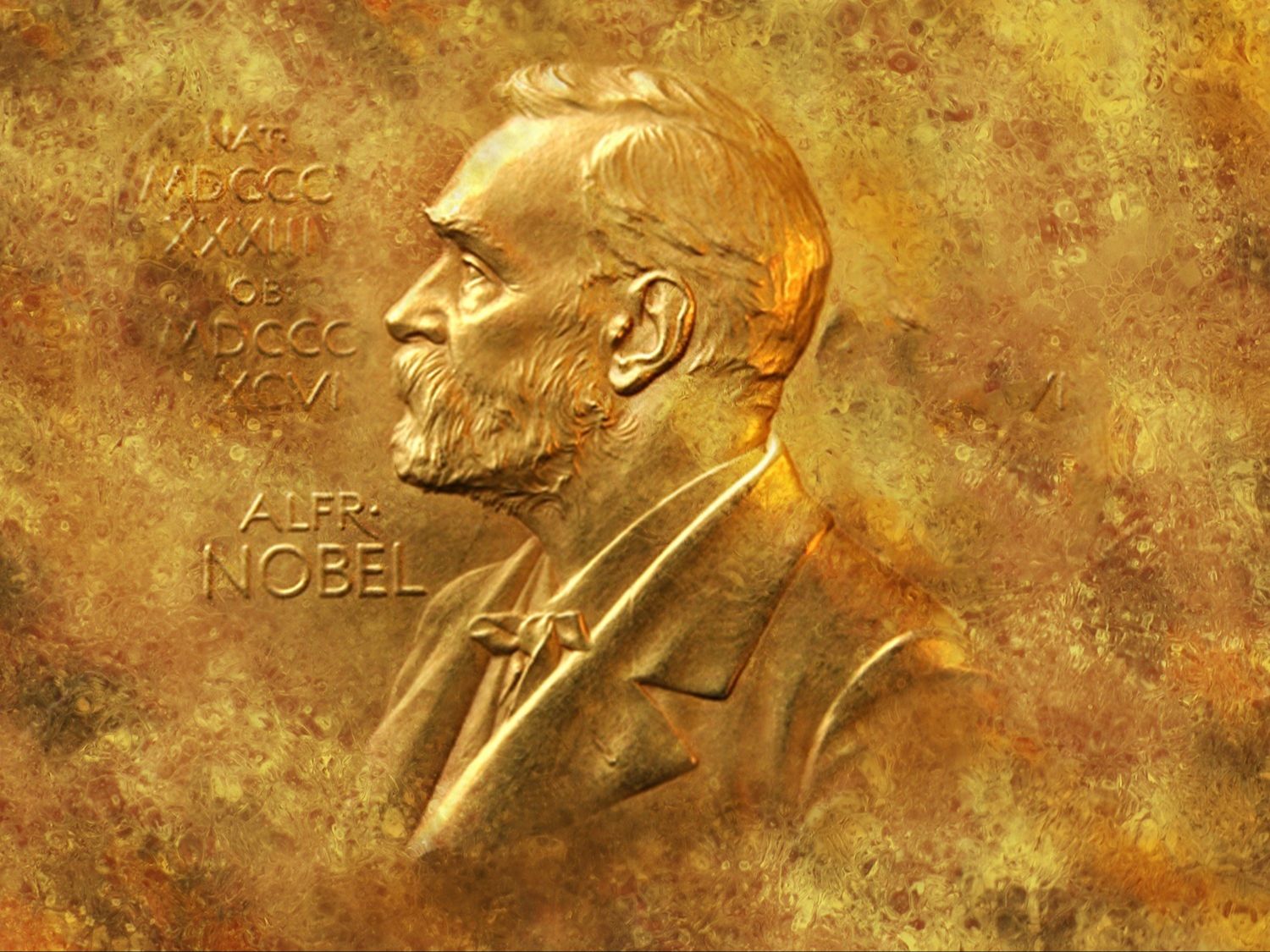
Every year, around October, the Nobel Foundation announces its various laureates. Of course, the Peace Prize is one of the most "popular", but there are also several in the sciences, including medicine, economics and physics. But are such awards life-changing in the scientific world? One of the most recent winners, French-Swedish Anne L'Huillier, claims that it does.
Partly following in the footsteps of a radioelectric engineer grandfather who helped the resistance during the Second World War, she was inspired by science in general and the 1969 moon landing. Many years later, she and two colleagues would be rewarded for their work on laser pulses to observe the very rapid movement of electrons in molecules. This would give us an even better understanding of how both biological and physical phenomena work.
The Nobel Prize was thus a way of highlighting the important work of one of the few female recipients in physics, the fifth in the history of the prize and the second French woman after Marie Curie in 1903. It was also a reminder that this is a very male-dominated field, and for Anne L'Huillier, she hopes that this award will enable her to kindle the flame of science in many young girls.
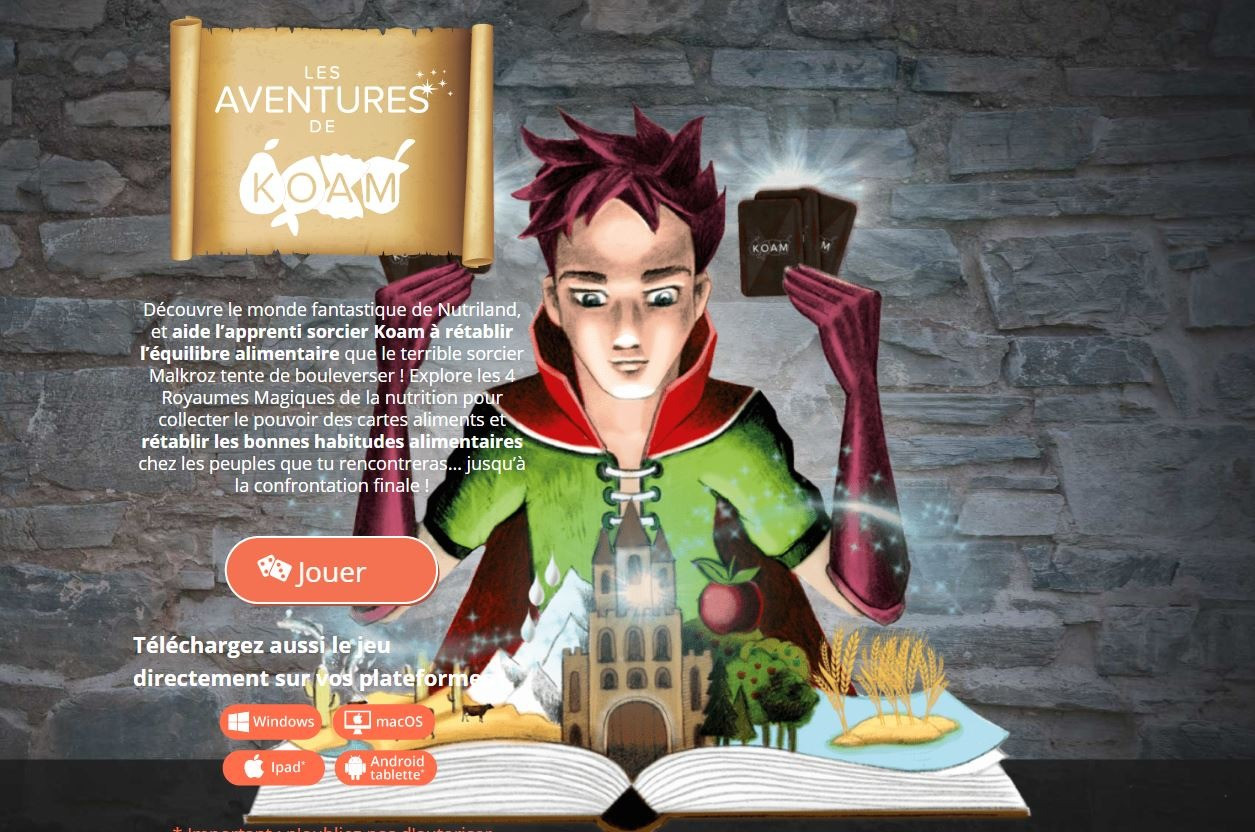
A veritable showcase for public health, Koam was developed by Nutrikeo, a consulting firm specializing in nutritional strategies. Supported by BPI France, the Nouvelle Aquitaine region and Europe, Koam is the result of two years' work by a team of leading specialists in nutrition, childhood, pedagogy, sociology, digital and behavioral theory.
Many serious games address the topic of sustainable development. Yet before such solutions were proposed, innovative people had to go against the social grain and fight to improve their environment. A humorous adventure game, hosted by the National Film Board, teaches children the attitudes they need to adopt to make a difference.
The Englishes MOOC course was developed by an artist and is designed for anyone interested in the (English) language. It explores the history of English, its pronunciation, and its relationship to the art world.