The Show Goes On Despite the War: A Firsthand Account
Performing in Conflict Zones
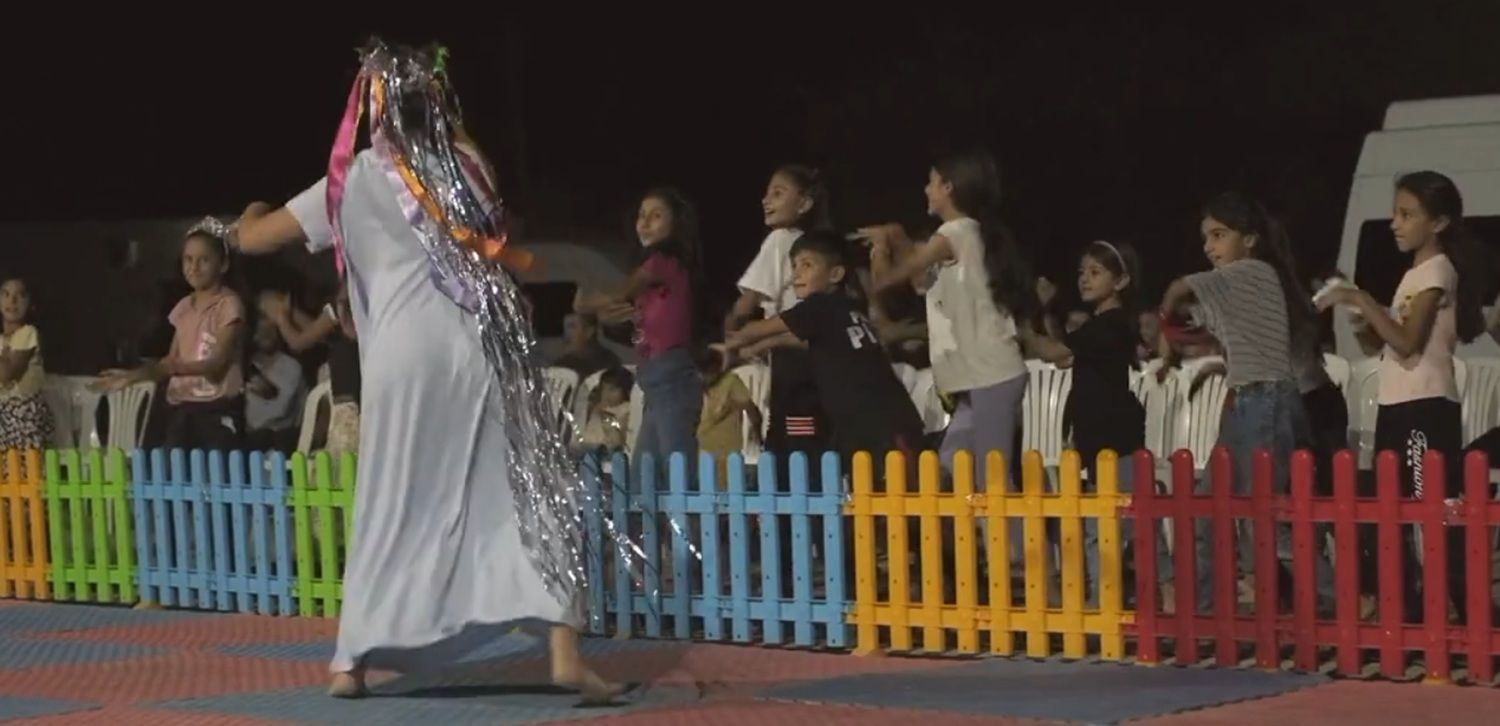
We know that, unfortunately, the world is plagued by many wars. Whether armed or “cold,” conflicts are everywhere; tensions are high, and the first victims are, as a rule, children. Sahba Aminikia is an Iranian-American composer who has faced the challenge of creating art in a country where religious influence has become very strong. Yet his interactions with other artists have been formative and a source of hope.
For years, he had wanted to do this, and in 2018, while visiting a conflict zone near the Syrian border, he put on performances for the people—and especially for the children—who were in desperate need of them, despite the fear of mortar fire and other dangers. So he founded “Flying Carpet,” a troupe capable of traveling all over the world—to cities as well as small, isolated villages—to offer not only performances but also workshops. This allows children to experience music, circus arts, puppetry, and more.
Through this sharing of art, the composer believes it is possible to reconnect people with a lost spirituality and a shared sense of purpose, where political, racial, and cultural divides diminish. Perhaps the key to reconciliation lies in giving ourselves the opportunity to create, to express ourselves, and to learn from one another.
To a layman, music is just a tune performed by a musician. Yet, if he were to play Meludia, he would learn all the rudiments and terms associated with musical practice.
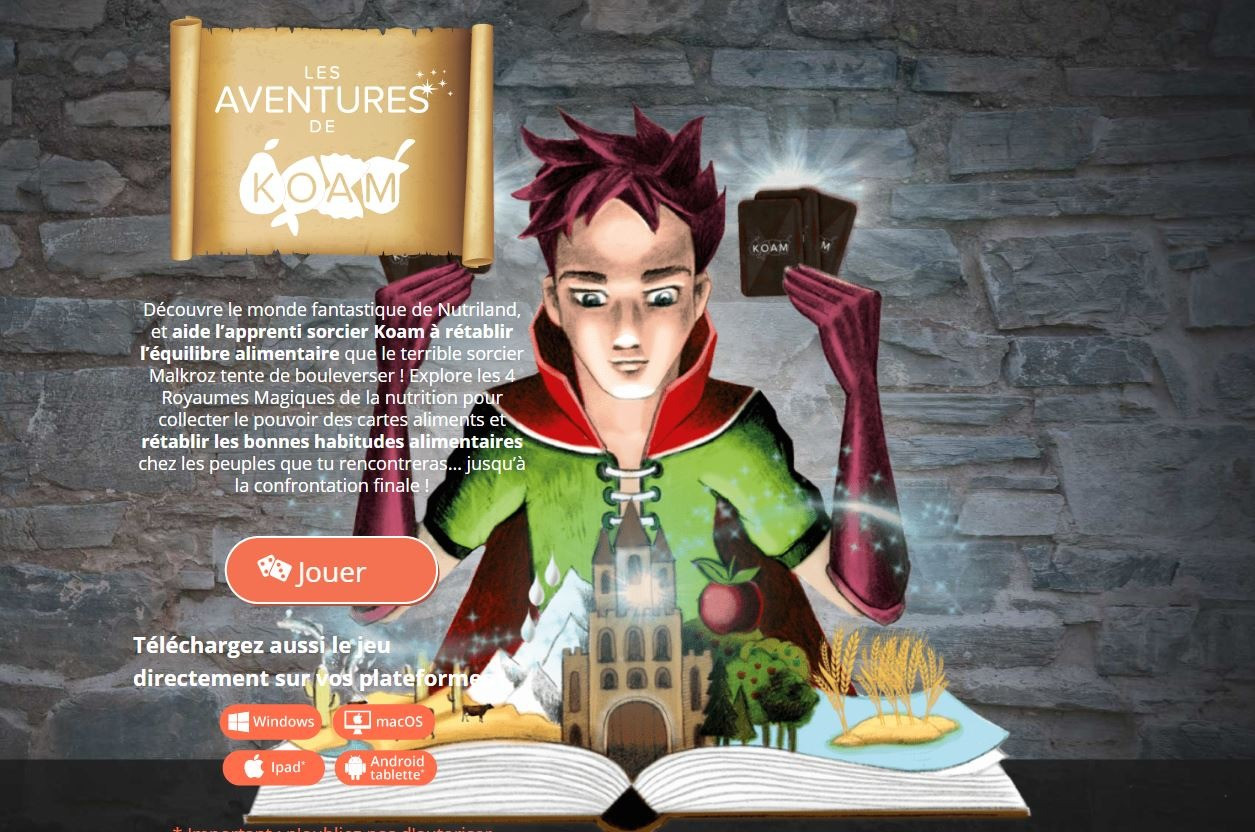
A veritable showcase for public health, Koam was developed by Nutrikeo, a consulting firm specializing in nutritional strategies. Supported by BPI France, the Nouvelle Aquitaine region and Europe, Koam is the result of two years' work by a team of leading specialists in nutrition, childhood, pedagogy, sociology, digital and behavioral theory.
How do you talk to children about genetics and heredity? A British museum has come up with the method: design a game in which you create a line of adorable creatures with precise objectives. The game is fun, colorful and easy to learn. Even adults will succumb to the charms of the bugs and their large families.
The sharing economy has led to small changes in various economic sectors such as transportation, housing, etc. This approach has changed the relationship of citizens for different services, now cheaper and offered by their fellow citizens. However, who actually benefits from this new economy? The people or the companies in question? A U.S. newsgame shows how the life of Uber drivers isn't as lucrative as one might think.