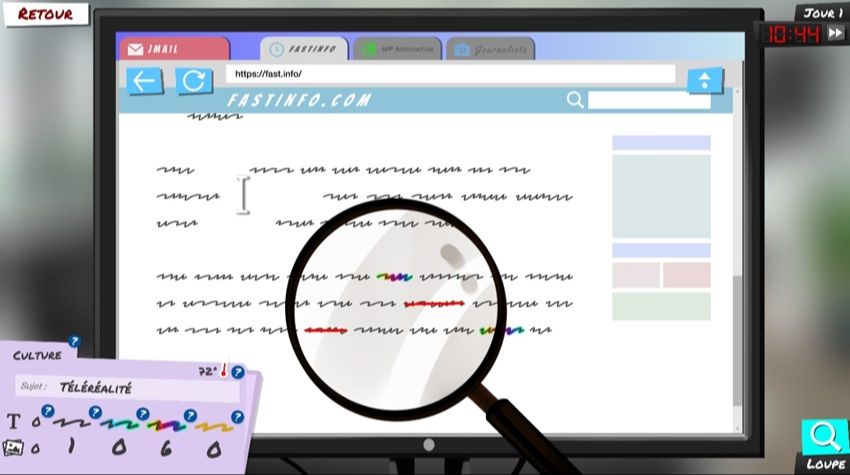
Learn the mechanisms of misinformation with Bad News
Understand the strategies of online disinformation through an interactive experience that puts you in the shoes of a fake news propagator.
Publish at June 24 2026 Updated June 24 2026


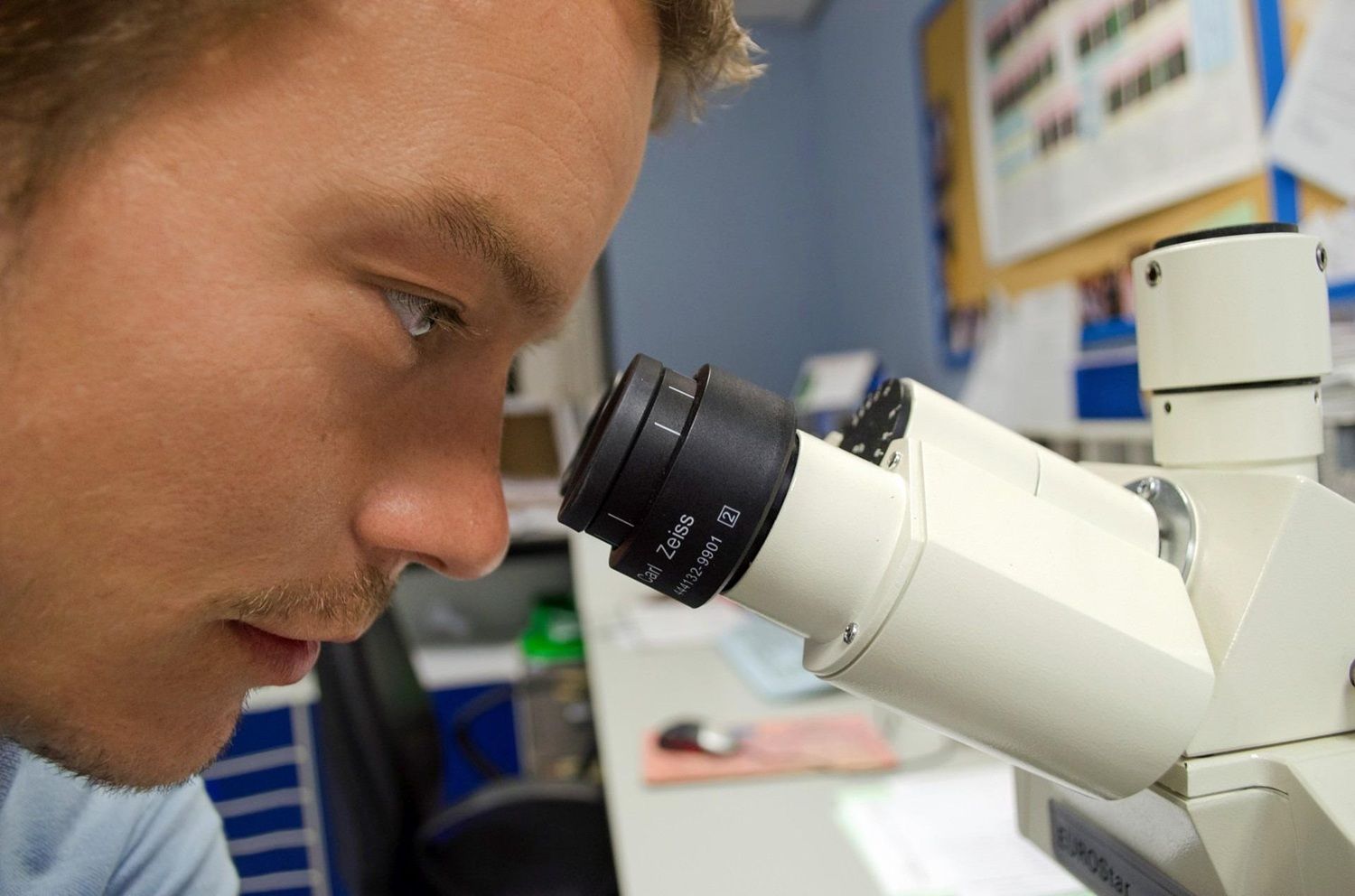
Upon taking office for the second time, Donald Trump decided to purge a large portion of the web pages that did not align with his policies. Within a matter of hours, all information on issues such as diversity, inclusion, climate change, gender transition, and so on had disappeared.
If this had affected only the United States, one might sense an aversion to science among certain political factions and segments of the population—especially when the science does not support their views. But this censorship sent shockwaves through the scientific community, which offered little resistance to this head-on assault.
Some have fallen in line for the duration of this administration, while others have turned their attention to other nations. Europe, having witnessed this unfold, has begun trying to help their colleagues as best they can. Some have offered them asylum, while others are taking advantage of the presence of European laboratories on North American soil to keep enlightened minds in environments not subject to Washington’s demands.
Nevertheless, Europe is also witnessing a rise in anti-science sentiment in several countries. Will scientists have to resist and find ways to preserve data on the sly? This potential future raises questions.
Duration: 9 min 24 sec
Image: PublicDomainPictures from Pixabay
You might also like:
Learn the mechanisms of misinformation with Bad News
Understand the strategies of online disinformation through an interactive experience that puts you in the shoes of a fake news propagator.
A serious game on social engagement
Many serious games address the topic of sustainable development. Yet before such solutions were proposed, innovative people had to go against the social grain and fight to improve their environment. A humorous adventure game, hosted by the National Film Board, teaches children the attitudes they need to adopt to make a difference.
A fun game about heredity and genetics - Welcome to Thingdom
How do you talk to children about genetics and heredity? A British museum has come up with the method: design a game in which you create a line of adorable creatures with precise objectives. The game is fun, colorful and easy to learn. Even adults will succumb to the charms of the bugs and their large families.
Newscraft: the game that puts you in the shoes of a reporter
A serious game that explains and brings to life the notion of news selection and the editorial line of different types of media.
Tests of vigilance and attention
Measuring attention remains a concern in many settings. Some work tasks are not very error tolerant. Here are a series of sample tests to measure attention in children and adults.