![]()
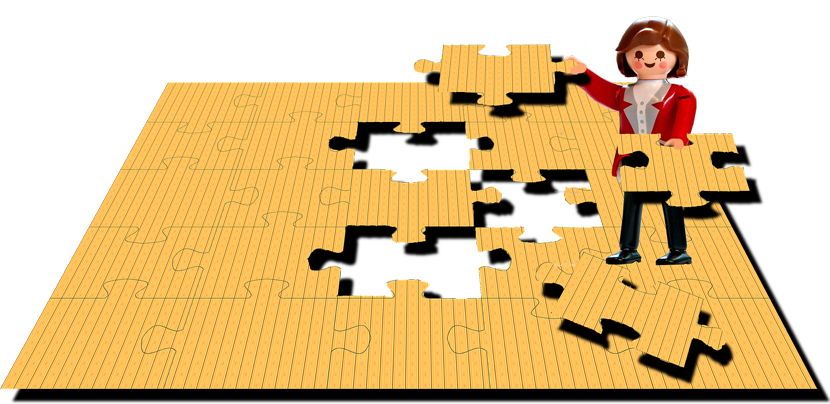
Maturation of a facilitator's posture in collective intelligence
The maturity of a facilitator and his or her facilitation is based on professional gestures, the activation of which is often invisible. Here are a few guidelines to help you achieve greater collective effectiveness, and also a path towards an enriched and fulfilling human experience for each individual involved.
![]()
Is discipline necessary in schools?
The issue of discipline in education has never ceased to obsess teachers. Some argue for a return to more sanctions and strict rules. Others, on the other hand, advocate a more sensitive approach to the student, asking for an understanding of what causes bad behaviour. Some schools even go so far as to have no rules at all...
![]()
User control over educational content: a funny idea!
Participatory content" in education: its uses and limits.
![]()
Learning from professional practice in the library
By analyzing the situation, we can better understand how to mobilize skills and knowledge to good effect.
![]()
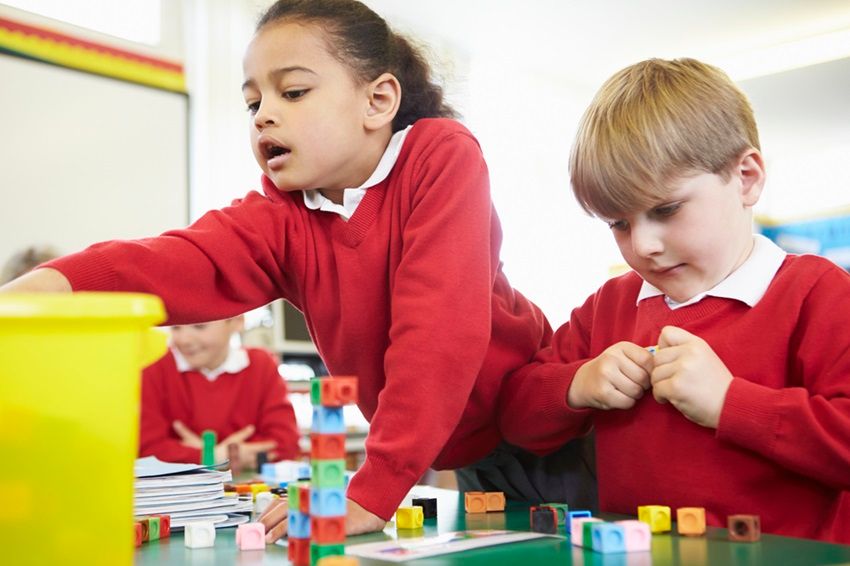
The Singapore method to France's rescue
At first glance, mathematics may seem a little abstract to a child. They are presented with vague terms and concepts. The Singapore method helps pupils to concretize the precepts at the outset, gradually making them more abstract. But how well does it fit into the French system?