In the age of immediacy, many can't stand the wait
80% of people can't stand the lack of response to a text message or instant messenger according to studies. How is it that so many of us can't stand those moments of waiting? Author and speaker Malene Rydahl looked into this and realized in her investigative work that the reasons are never the ones envisioned.
Because here's the problem, especially in a technological world that allows us to know when a message has been read by the other person. Most people get frustrated or imagine that the person contacted has no interest in them.
Or, mostly, the motivations for this lack of response are based on mental load (not having time), not knowing what to say back, embarrassment of saying no or the emotional state of the individual who is not in the best of dispositions. Indeed, sometimes innocuous messages can elicit stronger emotional responses from a person who wants to take the time to respond well, especially when the question requires more than an affirmative or negative answer.
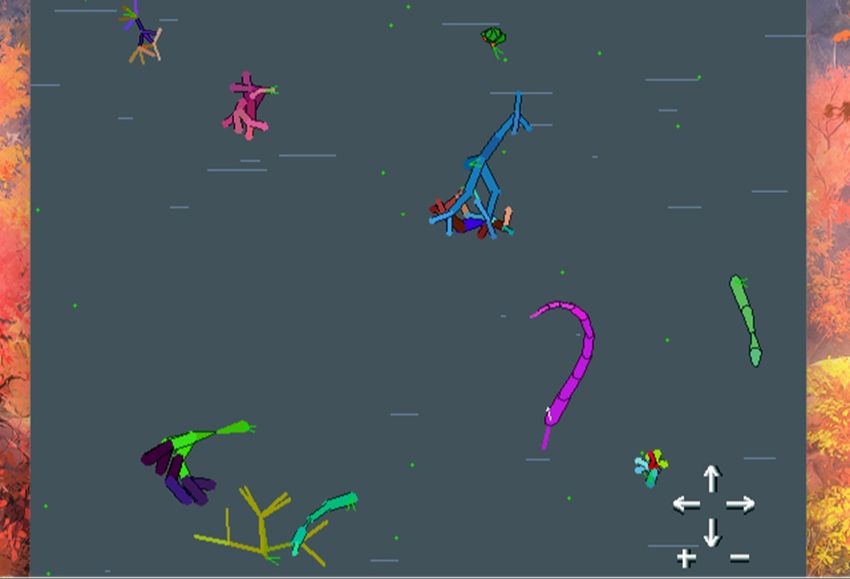
How do you talk to children about genetics and heredity? A British museum has come up with the method: design a game in which you create a line of adorable creatures with precise objectives. The game is fun, colorful and easy to learn. Even adults will succumb to the charms of the bugs and their large families.
The sharing economy has led to small changes in various economic sectors such as transportation, housing, etc. This approach has changed the relationship of citizens for different services, now cheaper and offered by their fellow citizens. However, who actually benefits from this new economy? The people or the companies in question? A U.S. newsgame shows how the life of Uber drivers isn't as lucrative as one might think.