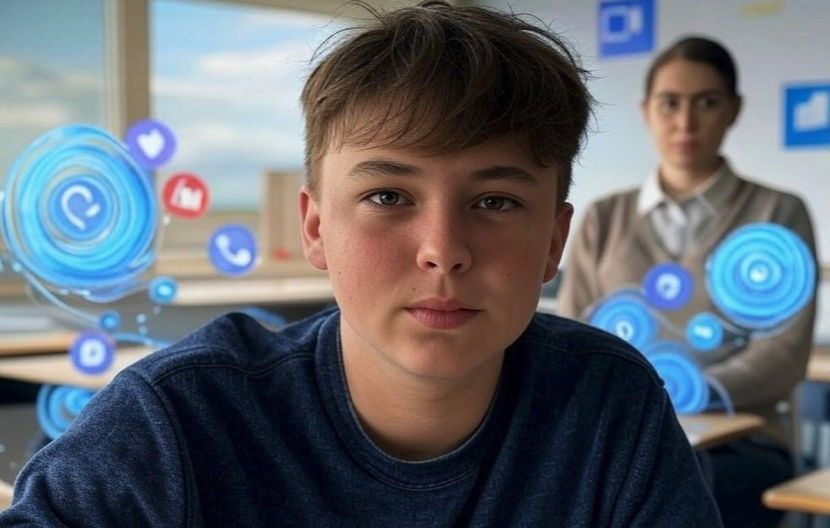
When cities learn from their residents
Living in a city means gradually making it your own, knowing shortcuts, transport arrangements, timetables, rules of behavior, and precautions to limit the risks of aggression. But what if this knowledge gradually becomes obsolete? Indeed, thanks to Big Data and artificial intelligence, cities are "learning" and adapting to the habits of their inhabitants...
Imposter syndrome: the little beast behind the self-sabotage
Nearly 70% of adults have experienced impostor syndrome, a cognitive dissonance that leads to the belief that successes are undeserved and that the whole journey is a series of deceptions that could be unmasked. This feeling can be felt as early as childhood and full school age. How do we deal with this issue to ensure that it does not participate in self-sabotage?
Recognition of teachers' work and staying in the profession
Recognition is becoming an essential part of business and team management. In a global context where there seems to be a shortage of competent teachers everywhere, the question of recognition for their work is one of the main reasons for this shortage.
Mothers and daughters learning together
When organizing educational itineraries, we've noticed a craze for mother-daughter pairs. How does this form of accompanied travel transform learning? In a context marked by the fragmentation of experiences, what are the effects of these shared experiences?
AI and the robotization of practices
In an age marked by the rise of artificial intelligence, it would seem that we are losing what makes human beings special, due to the increasing robotization of human practices such as emailing and regular collaboration with robots.