Multilingual education as a factor of integration
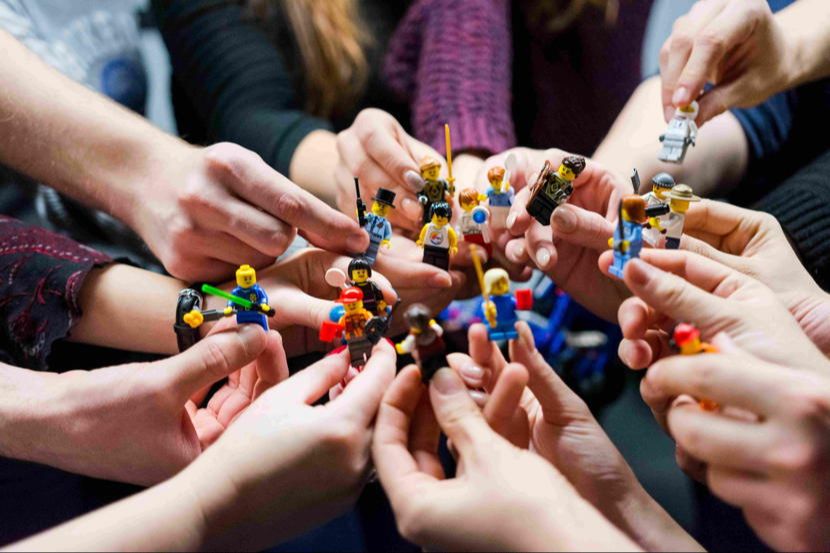
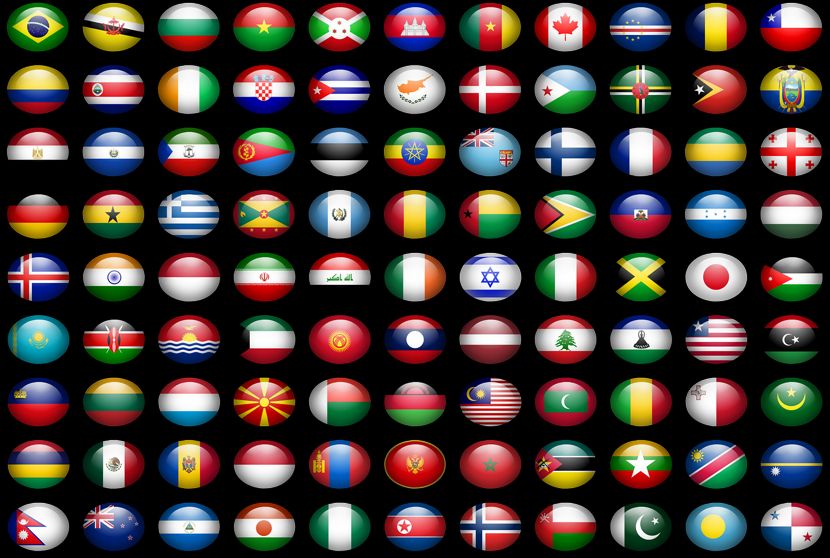
The complex situation of multilingualism in some countries with migratory phonemes calls for better management of learners in the classroom.
Publish at March 22 2023 Updated March 22 2023


Qi is the vital breath that flows through beings and things and from which the facilitator draws inspiration to bring more fluidity to his presence in group dialogues
This article is reserved for subscribers to the full edition. You can subscribe Here.
You might also like:
Multilingual education as a factor of integration
The complex situation of multilingualism in some countries with migratory phonemes calls for better management of learners in the classroom.
From I to we - The contribution of educational science
This article describes the cross-influences between an individual and a group and their co-creation.
Seduction versus attention deficit
Captivation is the goal of seduction; hence the idea of contrasting it with attention deficit. If we can be seduced with a blink of an eye, there's a whole context to that blink of an eye for it to become so effective and acquire such a disturbing significance... We teach and learn for a reason, the one that seduces us.
Should controversial topics be discussed in class?
Debate in schools is more likely to become a tool for structuring thought, listening, exchanging and sharing rather than a valve during traumatic events. It is a double-edged sword: the debate can create a zone of understanding or crystallize positions. It is therefore important to know the mechanisms and to practice it regularly to avoid the pitfalls, starting with less polemical but more constructive topics.
The new education... assisted by artificial intelligence
To prevent the use of A.I. is to deny the future. We're going to use it anyway. So, what do we do? Students will quickly tire of these "augmented" lessons in which they don't participate.