"We are not only body, or only spirit; we are body and spirit all together."
George Sand
Somatic coaching
The body ecology movement is a micro-ecology that states that it is because we transform the practices of individuals that we transform the ecology of the world. This discipline is said to stem from several currents such as philosophical naturism (Boisclair, 2020), deep ecology(Charmerant 2015) and holistic body-brain-mind practices developed since 1850 in body experience circles (body recreation, outdoor living, body awakening, body techniques, body awareness practices and immersions in natural environments as with Shirin Yoku). A new interest in the body can be observed in the personal development movement as early as the 60s. The emancipated body slips from social causes into the very heart of the company, with practices such as somatic coaching.
Somatic coaching is a holistic approach that integrates bodily, emotional and cognitive dimensions into the coaching process. It is a synthesis of body-psychological practices designed to support a client. ForICF Quebec:
"Somatic competence is the ability to access what is happening in our bodies in the present moment, to consciously align this information with other dimensions of our being (emotional, cognitive, interpersonal, spiritual) and to draw on this energy to move forward."
Unlike traditional mind-centered coaching, somatic coaching recognizes that the body plays a crucial role in our experience and learning.
Definition of somatic coaching
Somatic coaching focuses on the awareness and transformation of somatic patterns, which are deeply rooted bodily patterns linked to our habits, emotions and beliefs. It aims to help individuals develop a finer body awareness and use this awareness to create positive changes in their lives.
The challenges of somatic coaching
The challenges of somatic coaching are manifold. Firstly, it enables us to recognize and work with body blocks that can hinder personal growth. Secondly, it promotes the integration of bodily, emotional and cognitive dimensions, which can lead to greater coherence and authenticity in our way of being. Finally, somatic coaching opens the way to a deeper exploration of our bodily experience, which can enhance our overall well-being.
Somatic coaching practices
Somatic coaching practices vary according to individual needs and coach preferences. However, some common approaches include conscious breathing, body movement, somatic meditation and muscle pattern work. These practices aim to bring individuals into greater bodily presence, release accumulated tensions and encourage the emergence of new possibilities.
- Conscious breathing: Participants are guided to become aware of their breathing and use it as an anchor in the present moment. This promotes relaxation, presence and greater connection with the body.
- Body movement: Movement exercises are used to explore and release bodily tensions. These movements can be gentle, fluid or dynamic, and are designed to stimulate body awareness, release blockages and encourage the circulation of energy.
- Somatic meditation: Somatic meditation invites participants to focus their attention on bodily sensations and observe internal fluctuations. This encourages greater presence and a deeper exploration of bodily sensations, emotions and thoughts.
- Work on muscular patterns: Participants are guided to identify habitual muscular patterns and accumulated tensions in their bodies. Techniques such as muscle release, stretching and self-massage are used to release these tensions and promote greater body fluidity.
- Locating and visualizing an emotion in the body: participants are invited to walk their mind through their body and feel the resonances with emotions that are circulating or stagnating.
The coach's posture
In somatic coaching, the coach adopts a posture of deep listening, presence and empathy towards participants. He creates a safe, caring space where participants feel encouraged to explore and express their bodily and emotional feelings. He guides participants with a non-judgmental attitude, asking open-ended questions to deepen their exploration.
He encourages autonomy and individual responsibility by enabling participants to listen and respond to their own bodily sensations. The coach's posture also includes the ability to perceive participants' unspoken words, bodily expressions and emotional signals. He adapts his interventions according to these observations, fostering authentic connection and deeper understanding.
Contributing to collective intelligence
Somatic coaching also contributes to collective intelligence, by fostering the authentic expression of individuals within a group. By recognizing the importance of bodily sensations and emotions, somatic coaching enables group members to connect more deeply to their own and others' feelings. This fosters a more inclusive and empathetic environment, conducive to collaboration and co-creation.
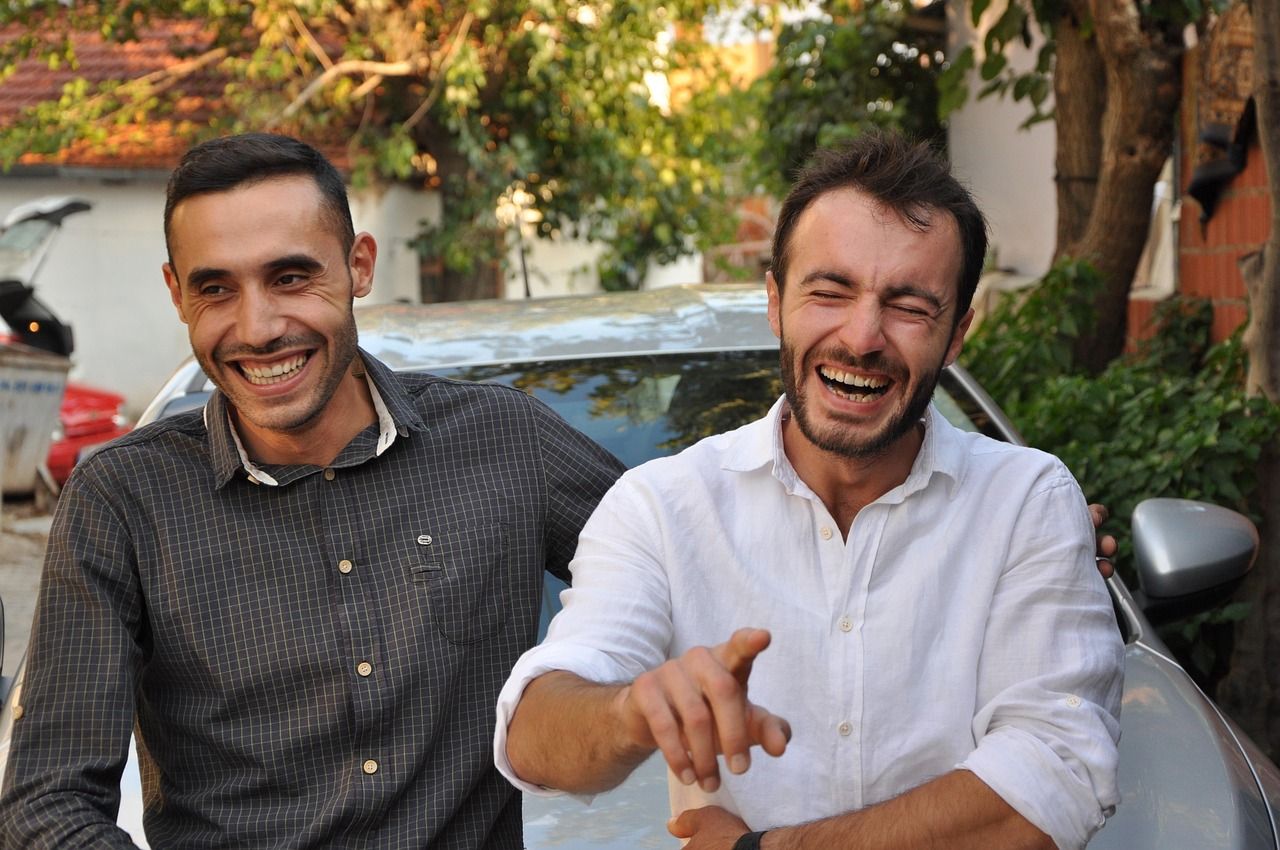
Image: Dane Wetton on Unsplash
Sources:
Lépine, J. (2012). Le coaching somatique ou L'intelligence du corps en mouvement. Éditions Valeurs d'avenir.
Institut repère https://www.institut-repere.com/info/quest-ce-que-le-coaching-somatique/
Swiss Somatic Coaching Association https://www.coachingsomatique.com/
ICF Québec https://icfquebec.org/cq-article.asp?i=319
Riba, A. (2019). Body-centered coaching and access to the unconscious. Organisationsberatung, Supervision, Coaching , 26 , 313-329.
Lumia coaching https://www.lumiacoaching.com/blog/somatic-coaching-techniques
Andrieu, B. (2014). The founders of body ecology: immersersers-naturians-emersers. Sociétés, 125, 23-34. https://doi. org/10.3917/soc.125.0023
Boisclair, L. (2020). Émersivité du corps en alerte. L'Harmattan.
Charmetant, E. (2015). Écologie profonde: une nouvelle spiritualité? Revue Projet, 347, 25-33. https://doi. org/10.3917/pro.347.0025
Shinrin Yoku https://www.japan-experience.com/fr/preparer-voyage/savoir/comprendre-le-japon/shinrin-yoku
See more articles by this author