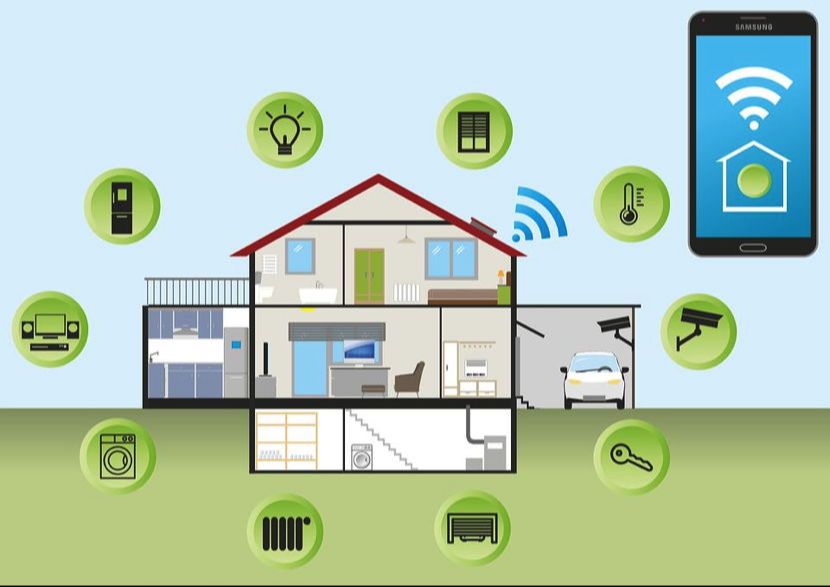
The complexity of the building sector, between ecology and digitalization
Meeting the demand for new housing also means being flexible about current issues.
Publish at September 20 2023 Updated September 20 2023


The issue of technology in education is always a sensitive one. It makes the headlines in the specialized media and the press in general because it puts pressure on teachers. Either to be wary of them, or to use them more. The problem lies in a persistent myth about technology.
Pierre Dillenbourg, professor and researcher at the École Polytechnique Fédérale de Lausanne (EPFL), gave a lecture at the Centre Jean Piaget. In it, he addresses the misconception we regularly have that technology has no intrinsic effect on learning. This seems almost self-evident, yet as soon as a new trend appears, everyone asks what impact it will have on teachers.
To this, Mr. Dillenbourg replies that it all depends on how the teacher uses the technology. For example, a robot could only be programmed following a procedure dictated by the teacher; the pedagogical level of the activity is close to nil, but it can be done. On the other hand, if a teacher pushes his students to code it so they can get out of a maze or keep it balanced on a ball, this requires more knowledge and skills. The use of the machine then really brings something to the table.
As a result, the speaker has a hard time with those people who wonder when robots will take over a classroom. That's not the aim of the researchers at all, he says, who are far more interested in offering didactic possibilities to the teaching profession. Educational technologies, as the professor puts it, "enable cognitive activities that have a learning effect if properly orchestrated by the teacher".
Running time: 51min47
Image: WOKANDAPIX / Pixabay
Learn more about this resource
You might also like:
The complexity of the building sector, between ecology and digitalization
Meeting the demand for new housing also means being flexible about current issues.
Change your personality with a digital coach
If people can get into physical shape with apps, why shouldn't it be possible to get into psychological shape in the same way? Sometimes we're psychologically overweight too.
Hierarchies order the world and tell us which elements have priority. They are confronted by connectarchies, which link ideas, projects and individuals according to rules of pre-eminence other than status, power or control of information.
There are a variety of learning circle practices that permeate society. What would happen if these practitioners came together?


