Publish at September 20 2023Updated September 20 2023
Why do pyramid myths persist?
Pyramidology" is the main culprit
In the spring of 2023, many French people were stunned to hear rapper Gims' vision of Egypt's pyramids as being capable of generating electricity. The comments provoked hilarious reactions, but are symptomatic of what is known online as "pyramidology", i.e. pseudo-experts who claim that the marvels of Egyptian architecture are proof of something mystical. Theories abound: signs of ancient human civilizations such as the Atlanteans, gifts from extraterrestrial peoples, energy sources, etc.
How can this be explained? In this two-part lecture, Thomas Durand of "La Tronche en biais" explains how this conspiracy theory is much more widespread than the public may believe. On the Internet, small groups encourage each other and use classic biases, i.e. taking the elements that correspond to their vision of reality and eliminating the others.
For Alexis Seydoux, historian and archaeologist, it's all the crazier because there's no such thing as the "mystery of the pyramids". Today's Egyptologists understand better than ever how they were built, how they evolved over the course of Egyptian civilization, and how finds made as much out of malice as historical interest have shown that there was nothing magical about them. Most of the buildings were constructed next to quarries, making it easier to transport materials. While the exterior is of fine cut stone, we know today that the interior is far less impeccable, with rubble, smaller rocks and other natural elements holding it all together.
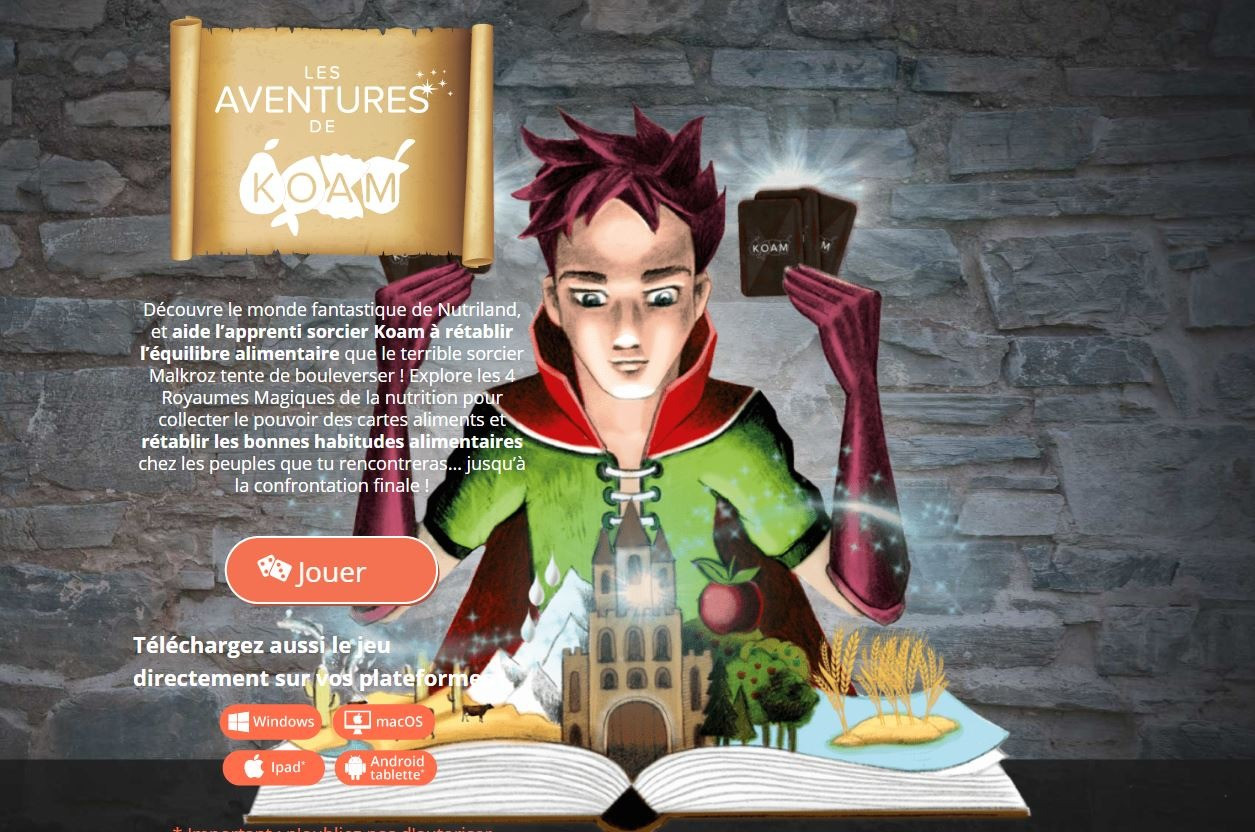
A veritable showcase for public health, Koam was developed by Nutrikeo, a consulting firm specializing in nutritional strategies. Supported by BPI France, the Nouvelle Aquitaine region and Europe, Koam is the result of two years' work by a team of leading specialists in nutrition, childhood, pedagogy, sociology, digital and behavioral theory.
How do you talk to children about genetics and heredity? A British museum has come up with the method: design a game in which you create a line of adorable creatures with precise objectives. The game is fun, colorful and easy to learn. Even adults will succumb to the charms of the bugs and their large families.
The Englishes MOOC course was developed by an artist and is designed for anyone interested in the (English) language. It explores the history of English, its pronunciation, and its relationship to the art world.