Doing a new pedagogy in your own way. Pedagogical radicality is characterized in its practices by its intensity, singularity and agility.
Publish at October 18 2023 Updated October 18 2023


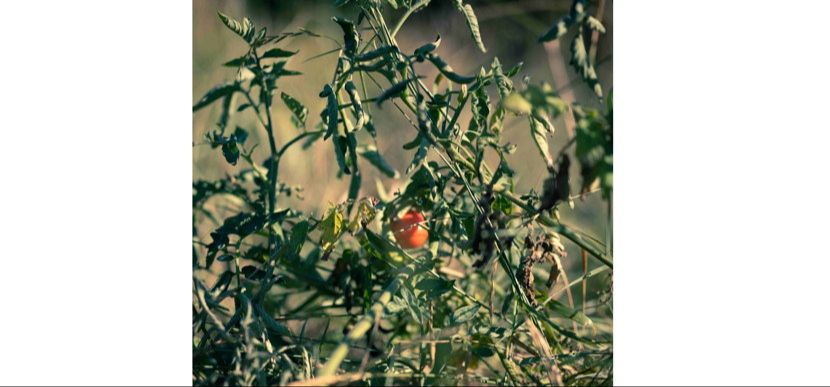
By broadening the notion of permaculture to include human permaculture, it is possible to rethink pedagogical practices and reinforce learning.
This article is reserved for subscribers to the full edition. You can subscribe Here.
You might also like:
Doing a new pedagogy in your own way. Pedagogical radicality is characterized in its practices by its intensity, singularity and agility.
Make students liquefy in the pleasure of learning.
To generate and maintain flow, the conditions are simple: have something to move, generate current, and as little resistance as possible. In the adventure of learning we navigate between two beacons: that of boredom and that of anxiety. Somewhere in between is the pleasure of learning, where a flow flows, where we invest ourselves, where we thrive.
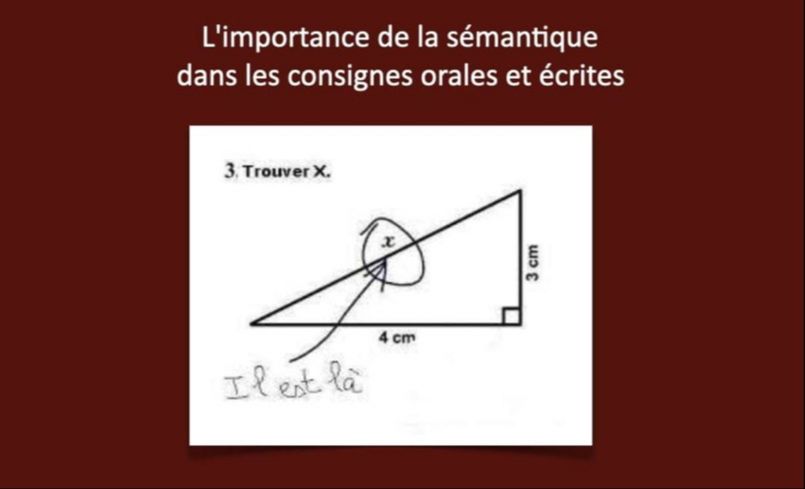
Being understood - The importance of semantics in oral and written instructions
Language is a means of communication. When spoken, facial expressions and body language complement what is said. In writing, respondents do not have these two additional pieces of information. L'Art de bien formuler les demandes et de dire ce qui est attendu comme production.
Teacher and appearance... controlling the effects
Teaching is one of the professions where you are less free in terms of the choices that are part of the landscape of appearance. The profession places its practitioner in a context where he/she is always subject to scrutiny, particularly from learners and, by extension, parents.
The art of meeting in facilitation
The contexts of encounters are welcomed for a relational quality. The encounter between cultures forces one to step outside of one's own habits and most deeply held beliefs.