Phylo - Learn how to sequence a genome!
A game to enter the fascinating world of genetics.
Publish at December 06 2023 Updated December 06 2023


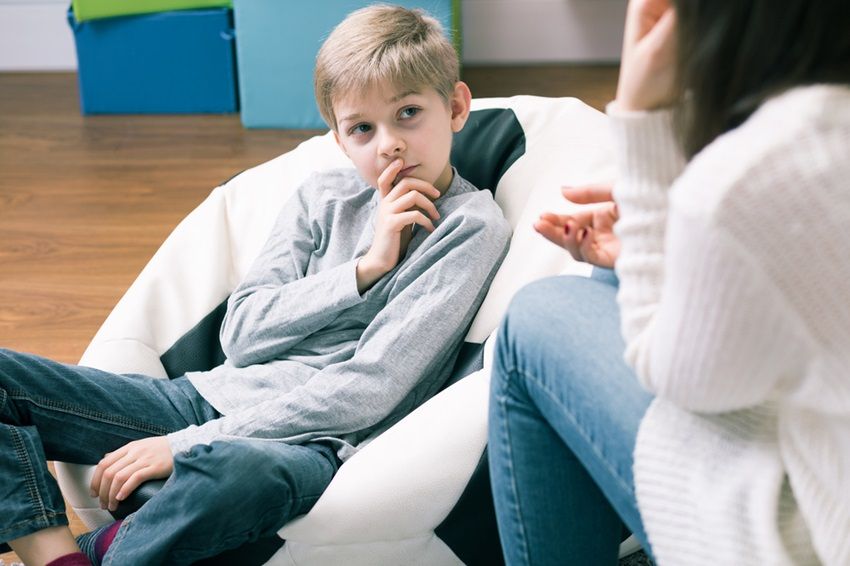
Every era has had traumatic societal moments to the point where everyone remembers what they were doing that day. For some, it was the assassination of John F. Kennedy and Martin Luther King Jr. Later, the Columbine massacre and the attacks of September 11, 2001 also left their mark on a generation. The most recent will probably remember the beginning of the covid-19 confinements and the death of George Floyd in the United States, which ignited the "Black Lives Matter" movement.
What should we do as teachers or parents when such traumatic events and many others (natural disasters, wars, etc.) occur? In this talk, researcher Kristen Nguyen outlines 3 steps to help children.
It seems important, for both learners and teachers, to share all the emotions created by the event. This can be done orally, in writing, through mime, and so on.
The aim is to move away from the affects of survival to those of creating links, a sense of community, and breaking isolation. This leads to the third stage: taking action.
Faced with a seemingly difficult situation, young people need to be encouraged to take action that, while not changing everything, expresses their values. We've seen this with climate marches, or militant actions to denounce the deportation of immigrant families or the circulation of weapons. These different points lead to one goal: to collectively emerge from the trauma and bring about even a little change in this world.
Running time: 11 minutes
Photo: photographee.eu / DepositPhotos
You might also like:
A serious game on social engagement
Many serious games address the topic of sustainable development. Yet before such solutions were proposed, innovative people had to go against the social grain and fight to improve their environment. A humorous adventure game, hosted by the National Film Board, teaches children the attitudes they need to adopt to make a difference.
Koam, playing with balanced nutrition
A veritable showcase for public health, Koam was developed by Nutrikeo, a consulting firm specializing in nutritional strategies. Supported by BPI France, the Nouvelle Aquitaine region and Europe, Koam is the result of two years' work by a team of leading specialists in nutrition, childhood, pedagogy, sociology, digital and behavioral theory.
A multiplayer game designed for people with disabilities
Video games designed for people with disabilities are already a rare resource. An experience that allows multiple players is even rarer. Yet this latest creation from "Ludociels for All" challenges players to light up an entire maze by walking balls of light.
The Englishes MOOC course was developed by an artist and is designed for anyone interested in the (English) language. It explores the history of English, its pronunciation, and its relationship to the art world.