"Once upon a time... DNA" - The basics of classical and molecular genetics
Publish at January 10 2024 Updated January 10 2024



It's probably a phrase we've all heard once in our lives: "Where there's a will, there's a way." It's even become the moral of many a Hollywood film. But what lies behind this phrase? Philosopher Aïda N'Diaye explains in this capsule prepared for France Culture that the subtext of this maxim generally means that if the person REALLY put in the effort, they would achieve their ends.
But is this always the case? Many people strive to get the job, role or house of their dreams, but don't succeed. So it's a meritocratic fable that's somewhat shared by everyday people. In contrast, the thinker John Rawls (1921-2002) wrote in the 1960s-1970s that the success of individuals or movements often comes more from various attributes. In his view, to reach certain spheres, you need to possess natural qualities that are in demand at the time. Something over which individuals have no control. The question of sustaining effort and willpower is also affected by material realities, chance encounters and so on. Moreover, he points out that it's generally the affluent classes who start out with a head start when they need it less.
To put the success or failure of a process down to sheer determination and effort would be inaccurate and contribute to the rather distorted idea of meritocracy.
Duration: 5 minutes
You might also like:
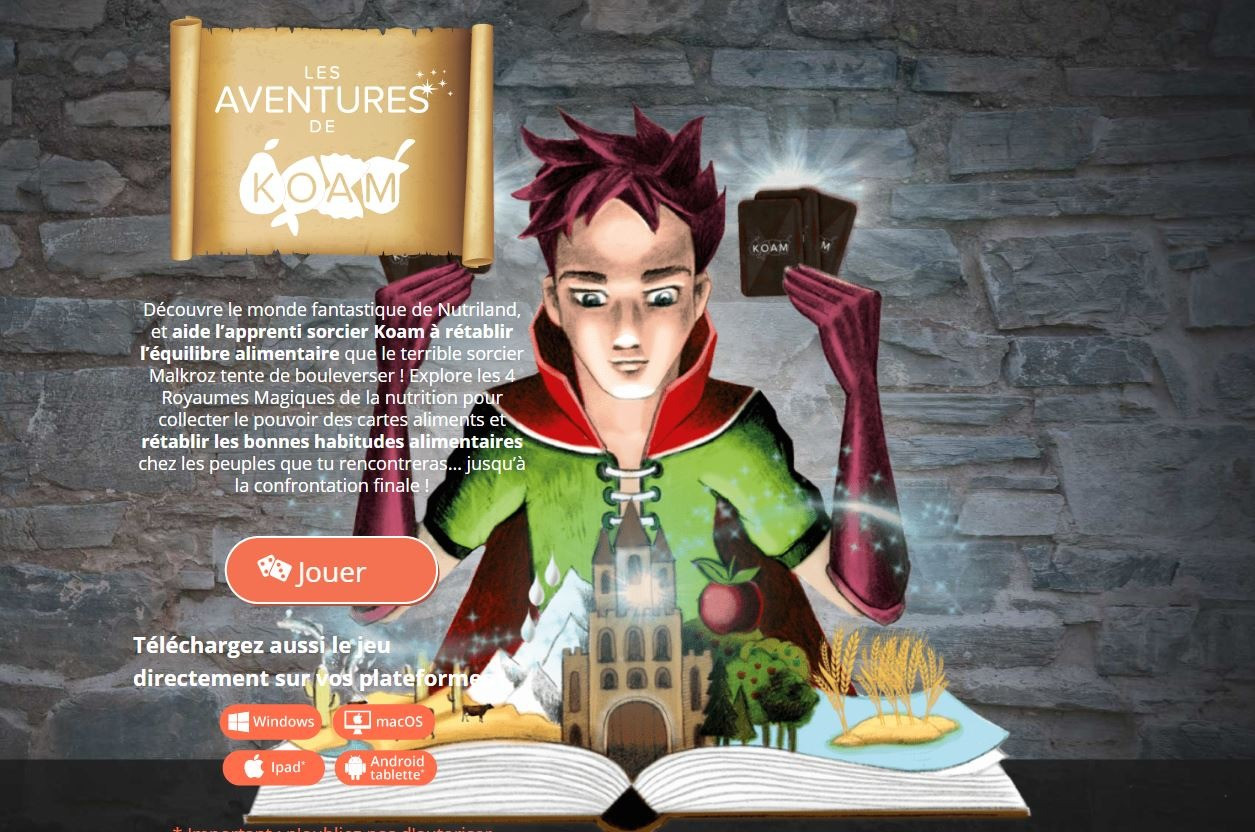
Koam, playing with balanced nutrition
A veritable showcase for public health, Koam was developed by Nutrikeo, a consulting firm specializing in nutritional strategies. Supported by BPI France, the Nouvelle Aquitaine region and Europe, Koam is the result of two years' work by a team of leading specialists in nutrition, childhood, pedagogy, sociology, digital and behavioral theory.
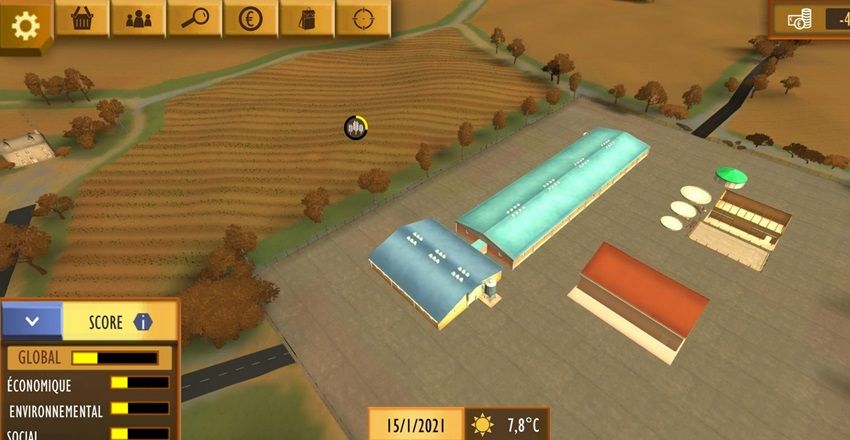
Reflecting on agroecology through play
There's nothing simple about being a farmer. You have to plan your activities throughout the year, make sure you have the right machinery, maintain it and so on. All with a view to ecology. A serious French game seeks to teach agroecology.
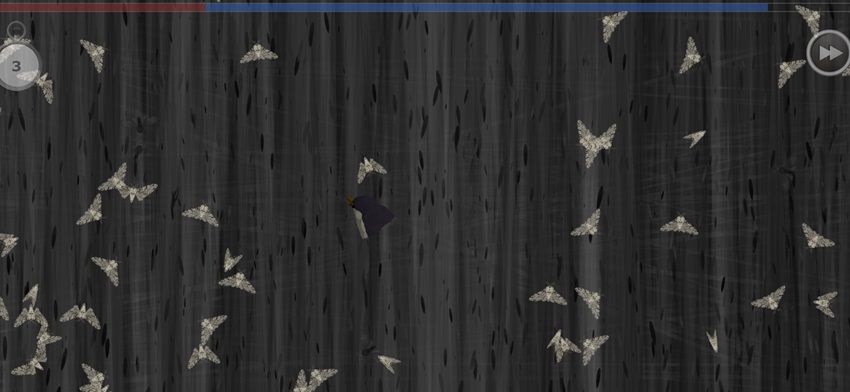
"Phalenes! understanding natural selection through play
A serious game designed to demonstrate natural selection and its effects on a moth population.
A multiplayer game designed for people with disabilities
Video games designed for people with disabilities are already a rare resource. An experience that allows multiple players is even rarer. Yet this latest creation from "Ludociels for All" challenges players to light up an entire maze by walking balls of light.