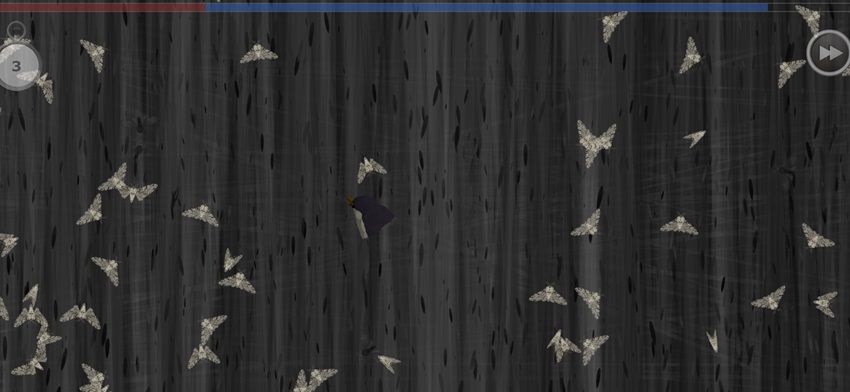
"Phalenes! understanding natural selection through play
A serious game designed to demonstrate natural selection and its effects on a moth population.
Publish at January 16 2024 Updated January 16 2024



In the fight against climate change, experts in climate and carbon dioxide emissions have identified industries that pollute more than others. Among these, transportation accounts for the lion's share. Air traffic, in particular, is all the more singled out for criticism because it is massive and far less essential to people than, say, their cars. As a result, more and more people are feeling guilty about traveling, and prefer to take other means of transport, or simply stop racing around the world. Solutions that don't help the aviation sector.
Companies such as Air France, SwissAir and others are offering to "offset their carbon footprint". Travellers pay extra for programs that are supposed to offset part of their travel emissions. Some, like Lufthansa, even offer totally carbon-neutral travel. But are the promises kept?
This Citizen Facts program tries to get to the bottom of these programs, and we have to admit that they are much more often about "greenwashing", i.e. trying to appear eco-responsible, than real effective gestures to improve things.
Whether it's the reforestation of a plot of land in France or ecological projects around the world, compensation estimates are routinely inflated and unrepresentative of what science knows. All the more so since we now know that aircraft contrails contribute to atmospheric pollutants and are virtually never taken into account by the various carbon dioxide calculators.
Running time: 34min33
You might also like:
"Phalenes! understanding natural selection through play
A serious game designed to demonstrate natural selection and its effects on a moth population.
Elude: a serious game for understanding depression
An original approach to depression. The game's metaphor is well conceived, a little dark and informative about a problem that affects millions of people.
A fun game about heredity and genetics - Welcome to Thingdom
How do you talk to children about genetics and heredity? A British museum has come up with the method: design a game in which you create a line of adorable creatures with precise objectives. The game is fun, colorful and easy to learn. Even adults will succumb to the charms of the bugs and their large families.
A multiplayer game designed for people with disabilities
Video games designed for people with disabilities are already a rare resource. An experience that allows multiple players is even rarer. Yet this latest creation from "Ludociels for All" challenges players to light up an entire maze by walking balls of light.