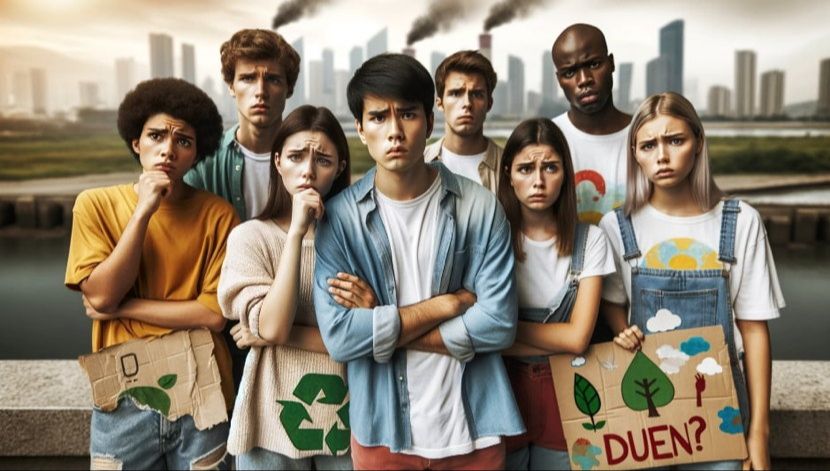
Temperature is rising, inevitably. Environments are gradually changing. We'd like to see a parallel evolution in mentalities, but instead we find that significant gestures don't follow intentions when it comes to changing not our habits, which is relatively easy, but rather the economic model at the root of these problems, which is far more complicated. Everywhere, "purchasing power" remains the most explosive political criterion, and we understand the authorities' restraint. The problem can be summed up in two words: "consumption" versus "environment". Yet the issue is no longer one of avoiding change, but of adapting to it.
The possibilities for adaptation are numerous. This is not the first time humanity has faced challenges, and it is better equipped than ever to meet them. Resources, tools and knowledge are there, all that's missing is responsibility. Teachers are doing their job of educating, and their students will be at work in a few years' time...
The ancient Greeks built cisterns that are still in use today on their arid islands.
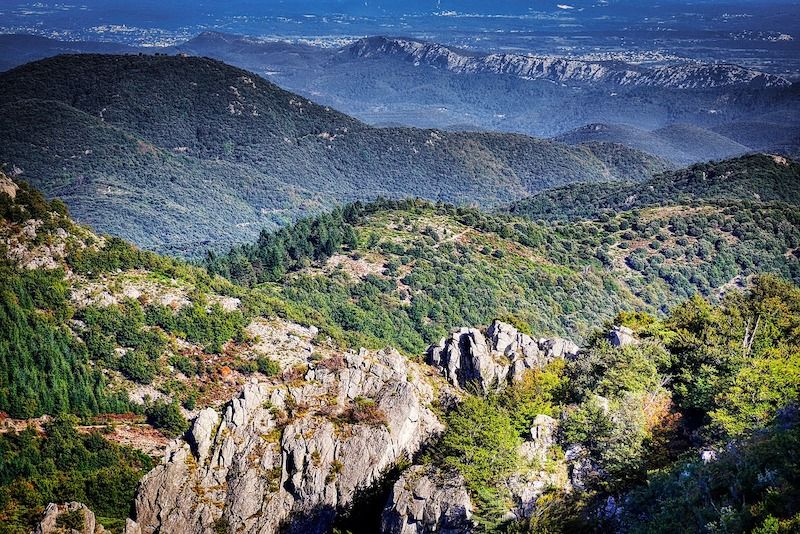
Over the millennia, humans have developed their environment to the point of transforming sometimes hostile territories into gardens... but this was not done with an industrial logic in mind. By dint of ingenuity and hard work, people have lived peacefully in environments that were initially unwelcoming. We are no less capable of doing so. The answers will be different in each environment, but what is certain is that "consumption" must decrease in the equation because its level is objectively unsustainable. Financial profit needs to be balanced by a broader notion of benefit for all living things.
Unlike in the past, we are directly connected to the rest of the world, and our notions of sharing and solidarity extend to all those to whom we are connected. Will less-affected countries want to take in millions of refugees? If not, will we want to give them the means to make their homes better adapted to the new conditions?
To a collective, global and diverse problem, viable solutions involve the whole, not just a few protected oases. With the changes to come, we'll see if we're capable of asserting our principles.
Denys Lamontagne - [email protected]
Illustration: Ivankmit - DepositPhotos