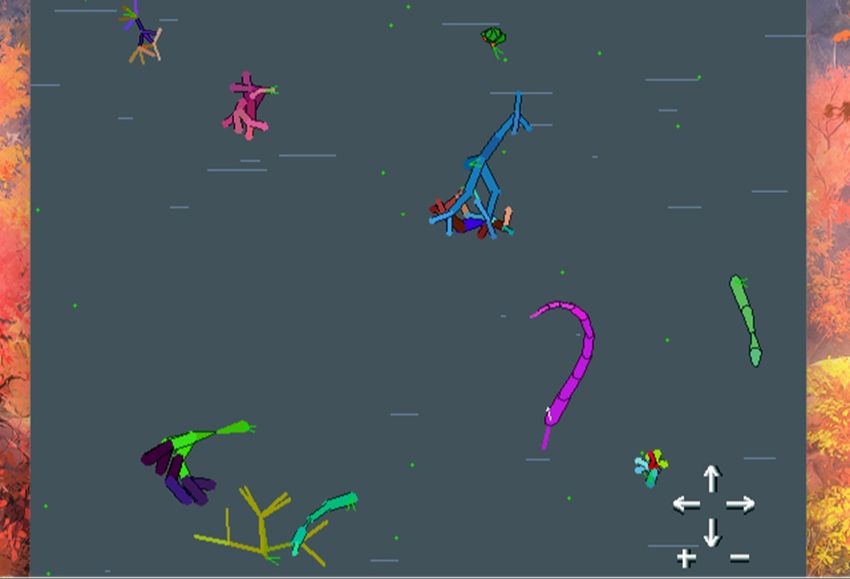
A virtual aquarium to understand Darwinian evolution
Is it possible to understand evolution through simulation? It would seem so. A very interesting resource for high school science classes.
Publish at January 17 2024 Updated January 17 2024


It's not easy to talk about the climate. Given the trajectory we're on, tempers flare - no pun intended - when it comes to the issue. The younger generations can see the catastrophe ahead, and criticize the inaction of the older generations, who cry alarmism, point the finger at other nations or sink into cynicism. In short, it's a situation that does nothing to encourage individual and collective action to improve the environmental situation.
In this Le Monde podcast, climate scientist Valérie Masson-Delmotte explains how she manages to talk about climate and make it understood by as many stakeholders as possible, from family members to politicians.
The idea is to teach both oil industry engineers and politicians that, in the end, they will gain more than they lose.
But it doesn't soften the blow. The situation is serious and can even be depressing. Time has been wasted, but as she says many times, it is still possible to act. Concrete solutions have emerged, and it would only take the efforts of public bodies, among others, to make substantial progress.
He also needs to dismantle the rhetoric of alibis for doing nothing. It's not easy, and it can be frustrating, but by taking these ideas apart one by one, with kindness, we open up the possibility of convincing a significant proportion of skeptics. Finally, she suggests being wary of all the "green" promises made by companies trying to capitalize on modern concerns without proving their claims.
Running time: 44:27
You might also like:
A virtual aquarium to understand Darwinian evolution
Is it possible to understand evolution through simulation? It would seem so. A very interesting resource for high school science classes.
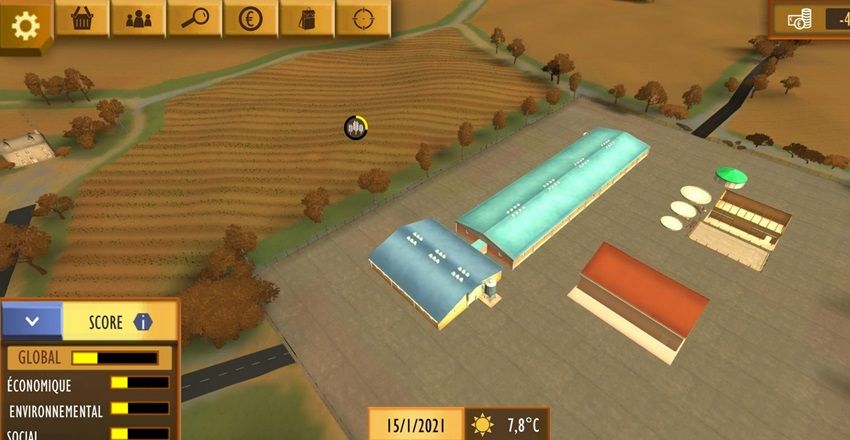
Reflecting on agroecology through play
There's nothing simple about being a farmer. You have to plan your activities throughout the year, make sure you have the right machinery, maintain it and so on. All with a view to ecology. A serious French game seeks to teach agroecology.
A serious game on social engagement
Many serious games address the topic of sustainable development. Yet before such solutions were proposed, innovative people had to go against the social grain and fight to improve their environment. A humorous adventure game, hosted by the National Film Board, teaches children the attitudes they need to adopt to make a difference.
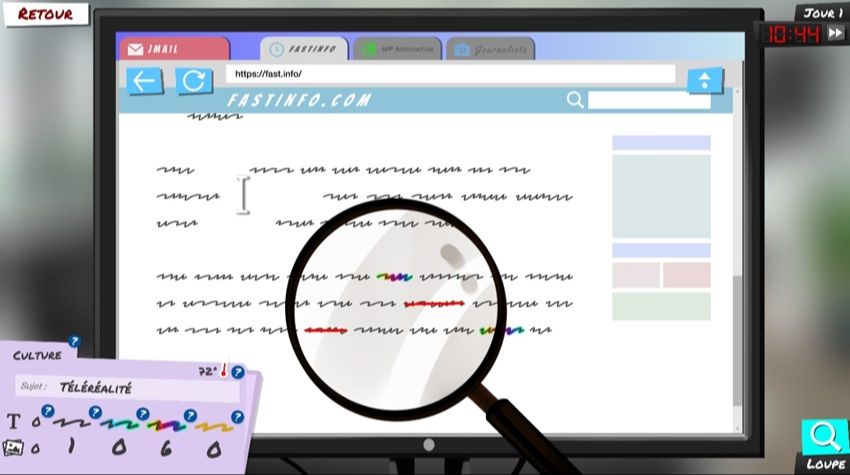
Newscraft: the game that puts you in the shoes of a reporter
A serious game that explains and brings to life the notion of news selection and the editorial line of different types of media.
Learn the mechanisms of misinformation with Bad News
Understand the strategies of online disinformation through an interactive experience that puts you in the shoes of a fake news propagator.