Correctly identifying a plant is a challenge we've all faced at one time or another. Plants grow, develop, produce flowers, fruit, stems, leaves, branches, roots and sometimes even take on different forms depending on the time of year.
Botanists have developed various identification tools, supported in recent years by A.I., which means that anyone can get an answer, usually from a simple photo taken on their phone.
However, A.I. doesn't tell us what it used to "recognize" the plant. What's more, if it fails to do so, there's no way to really describe the plant to it, for lack of sufficient knowledge on the user's side and standardized definitions on the system's side. The same thing is rarely called the same thing anywhere in the world.
Understanding what we're describing
Do you remember stamens, sepals, teguments and achenes from your botany lessons? There are dozens of other terms, often unknown to most people. How can they use them if they don't know them? If people are willing to learn one or two, they certainly won't want to take a botany course to learn them all. What's more, over the centuries, several identification systems have been developed. Which one is best suited to the context?
By studying the best strategy for success in Wordle, a popular Internet word game, the research team consisting of Simon Castellan, bioinformatician Éric Tannier and botanist Jos Käfer, identified the procedure to adopt: prioritize the right questions to ask according to context; from there, it is possible to generate the most effective decision tree.
"But for these determination keys to be fully effective, they need to possess an additional quality: "error tolerance. And this is important. On the one hand, data can contain errors. Sometimes, too, the botanist misunderstands the question and makes a mistake. It also happens that the plant is a little atypical of its species. Or it may be on the border between two species. We're not sure which side we're on. However, with a classic key, if the botanist starts off in the wrong direction of the book, he'll get stuck in a dead end."
Researchers are therefore focusing on developing a tool capable of handling errors and uncertainties, and adaptable to each ecosystem.
For the full article: An innovative tool for characterizing plants
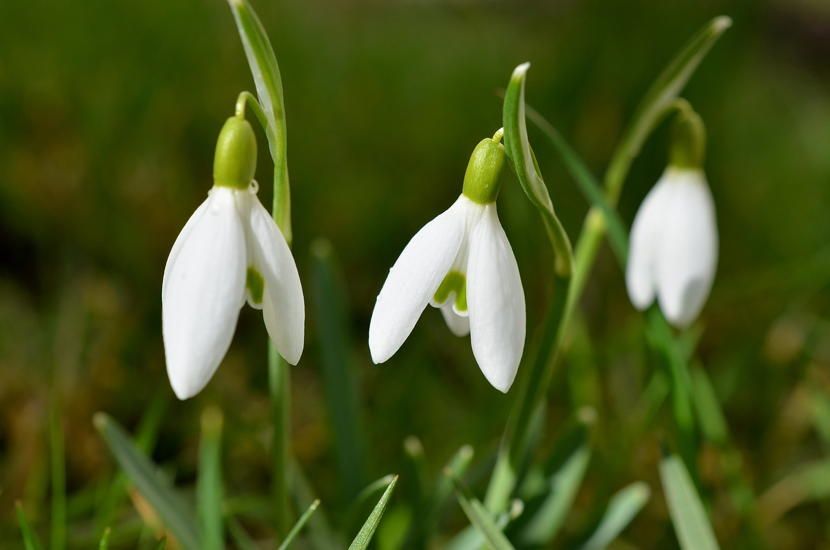
Illustration: congerdesign from Pixabay
Learn more about this
news
Visit inria.fr
See more news from this institution