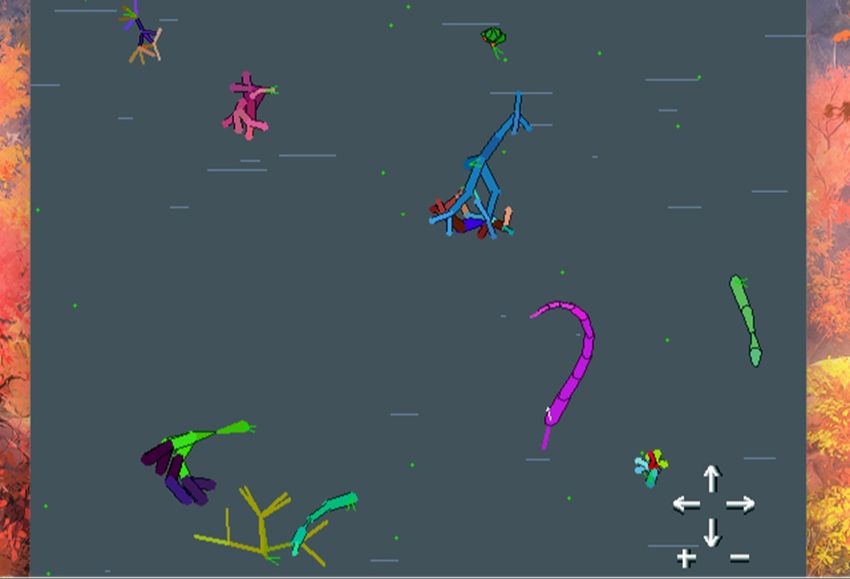
A virtual aquarium to understand Darwinian evolution
Is it possible to understand evolution through simulation? It would seem so. A very interesting resource for high school science classes.
Publish at March 13 2024 Updated March 13 2024



We all know of food that arouses a strong physiological reaction in us. The grimace of disgust is universal, and clearly demonstrates our body's rejection of a food perceived as a threat, whether it's a particular vegetable, the idea of eating insects or an animal offal.
But how can we explain this scientifically? First of all, we need to distinguish between what we find outwardly repugnant without tasting it, and those whose presence in our mouths makes us wince.
English speakers distinguish between "disgust" and "distaste"; in French, there is no such precise expression, so we can speak of aversion and dégoût. To give an example, if we were to offer people a dish of offal without ever telling them or reminding them of its visual appeal, it's highly likely that the majority would eat it without disliking it. On the other hand, food with a strong bitterness may, even if it looks appetizing, create disgust.
It may also be a matter of genetics. Some people are overly sensitive to the aldehydes in coriander, used in soap-making for perfume, and so associate it with soap. But it's also a social issue. We come from a people with different food tastes. Mexicans are brought up to eat insects, while the French enjoy all things dairy. That's why those who taste a new dish or food abroad will usually describe it in familiar terms to relatives, so that they can relate it to flavors they already know.
Running time: 8min18
You might also like:
A virtual aquarium to understand Darwinian evolution
Is it possible to understand evolution through simulation? It would seem so. A very interesting resource for high school science classes.
"Space Shelter: Google's cybersecurity game
All our lives have an online component. As a result, a large proportion of Internet users are at risk of being tricked by hackers. A short game invites Internet users to remember certain elements of cybersecurity using a space theme.
Koam, playing with balanced nutrition
A veritable showcase for public health, Koam was developed by Nutrikeo, a consulting firm specializing in nutritional strategies. Supported by BPI France, the Nouvelle Aquitaine region and Europe, Koam is the result of two years' work by a team of leading specialists in nutrition, childhood, pedagogy, sociology, digital and behavioral theory.
Elude: a serious game for understanding depression
An original approach to depression. The game's metaphor is well conceived, a little dark and informative about a problem that affects millions of people.