Finland: putting student well-being at the heart of the system
What can we learn from the Finnish school system?
Finland is often mentioned when it comes to a well-functioning education system. This Scandinavian country seems to have understood how to ensure that its young people have the best education. As part of the Erasmus program, French staff from the Montpellier academy visited Oulou to witness the Finnish approach to teaching. Their findings help to explain this nation's success in education.
What stands out most in the report is the fact that Finland has put the well-being of schoolchildren at the heart of its concerns. Pupils will attend the same school from infancy until the age of 15, avoiding the stress of changing places. What's more, the transition from home to school is much smoother, since, just like at home, children take off their jackets and boots and change into slippers or socks. The Finnish school system is as interested in students' emotional quotient as their intellectual one. In fact, they have regular active breaks, and those who need quiet time to concentrate are given space in the classroom to do so without being ostracized.
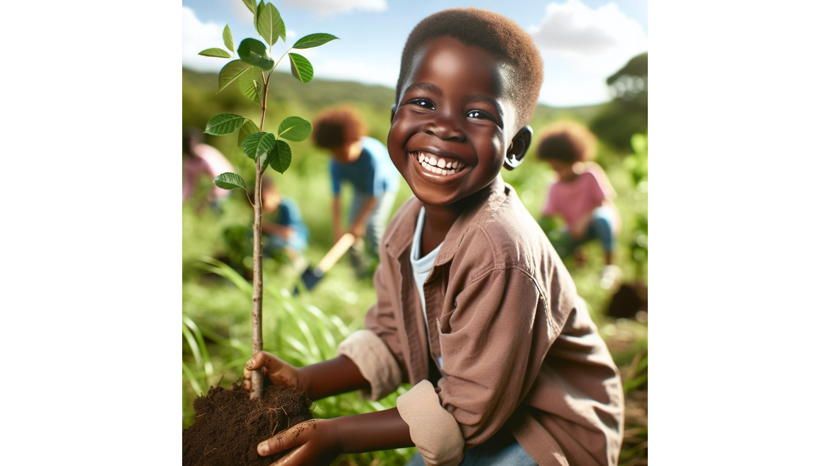
The schools focus on learning about local nature, among other things, to raise awareness of global environmental issues. So the kids start out with the idea of improving their neighborhoods.
In fact, there seems to be a real climate of trust between learners, their teachers and even parents. Teachers are considered in the school administration to ensure that they, too, are in their right minds, and that their teaching reflects this. Some of them will even, in their spare time, recycle items such as musical instruments to develop items for use in their classrooms. It's a very different philosophy, but one that seems to explain why Finland is always at the top of the pedagogical game.
Motivating children who have dropped out of school on environmental issues is entirely feasible. In reality, it's a question of motivating the parties involved (parents, environmentalists and public authorities) to find the right formula, which involves designing and implementing a program that can be adapted to suit the context.
How can we move from the codes and rituals of tourism to a genuine learning expedition, organized to turn travel from a parenthesis into a lever for sustainable transformation?
The use of dilemmas in the classroom offers the opportunity to debate topics without the burden of making a decision with its consequences. A delicate exercise that can put off teachers. But with the help of online case studies and a few simple rules, it's easy to get the hang of it.
What will the school of 2040 look like? Will there be any schools left? Teachers? The OECD and many others have tried to see the possible futures in pedagogy. So states will really have to choose between an improved but similar model and a total transformation that would come with other questions.
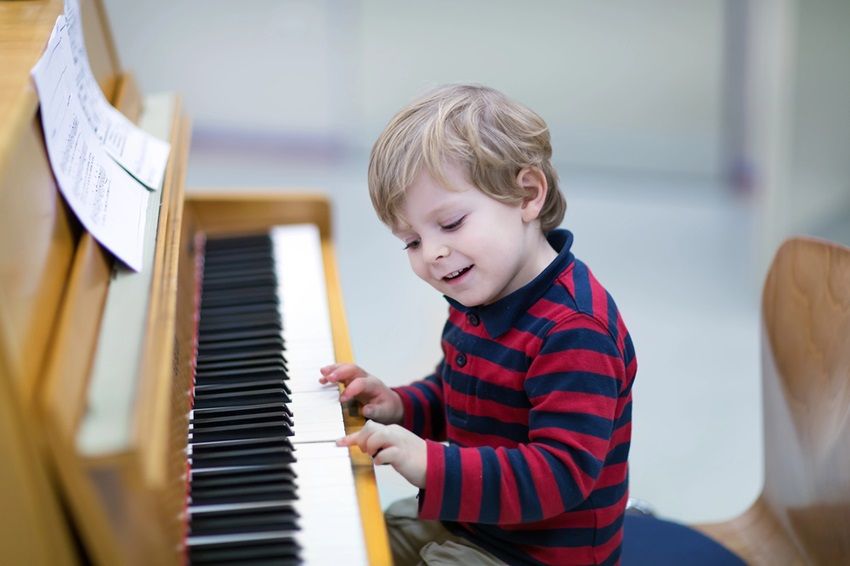
Music is one of those areas where the school seems to take only one approach. In general, this consists of learning the scale, sheet music and then technique for different instruments. However, there are active methods that can be used from an early age to familiarize students with the language of music.