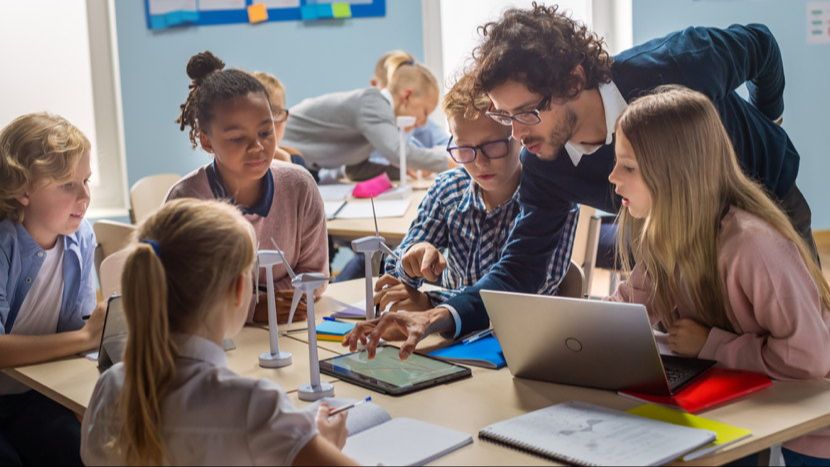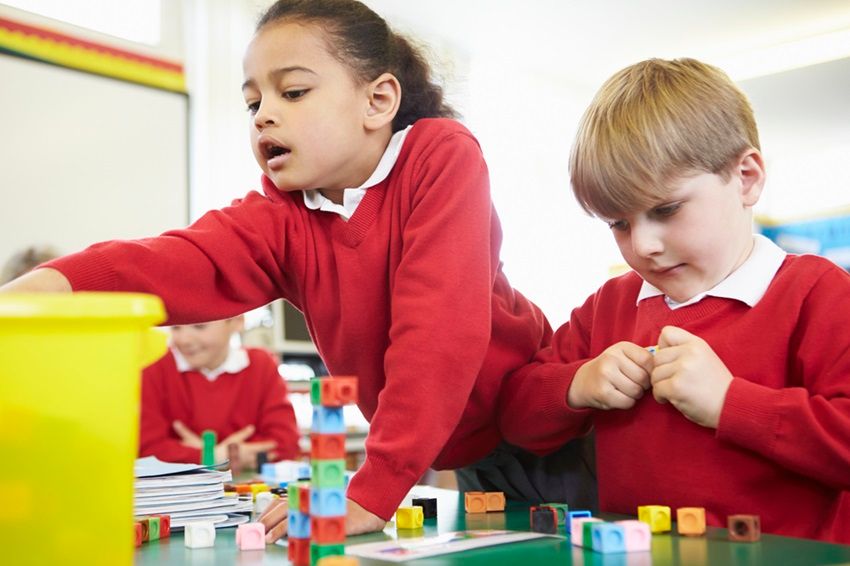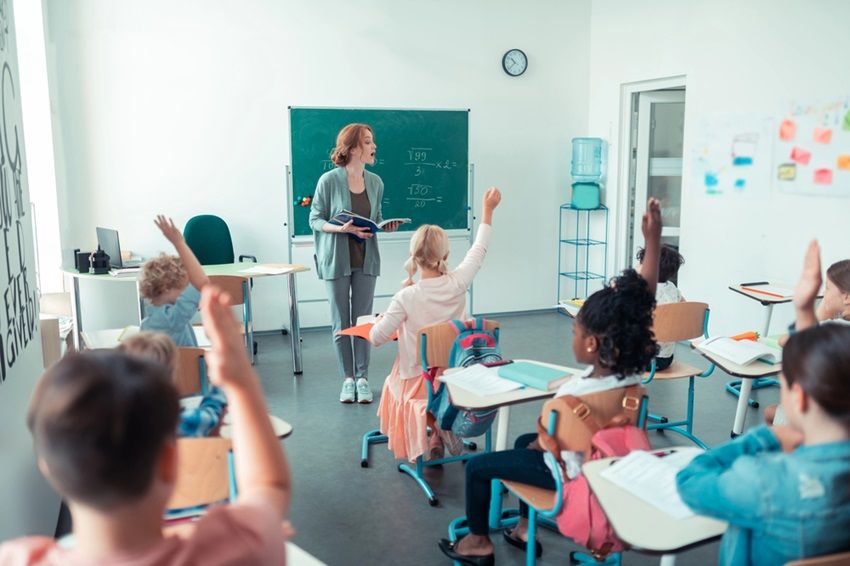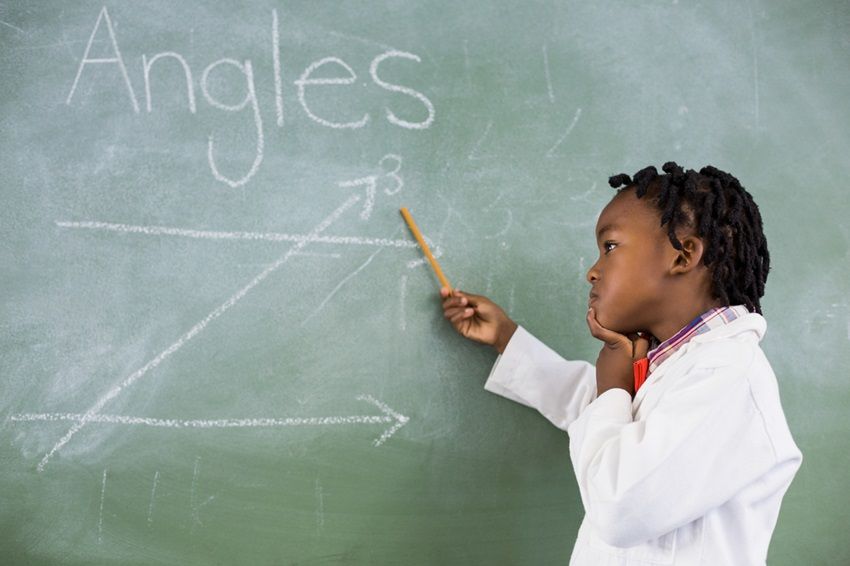
Learning music or dance can be very engaging, but can learning mechanics be just as engaging? Why not, but it's bound to be a little different. Literature or economics, philosophy or computer science - in fact, each subject requires a particular approach, and even several approaches, depending on the level of experience and the objectives being pursued.
If we think about individuals, we all have different interests, unequal abilities, unique characteristics and histories in particular social contexts. We can benefit or be penalized by a pedagogical regime that is familiar or foreign to us. More or less favorable social contexts will largely determine the success of a teaching method.
In response to all these particularities and contexts, we create a controlled environment where a pedagogical regime can be deployed effectively: a school. But even if each of us has good margins of adaptability, individual peculiarities remain difficult to manage; so, in teaching large groups, a certain rate of failure is considered normal, and it's only when this rate exceeds a critical threshold that attention is paid to it.
With new tools, including artificial intelligence, teaching can be tailored to each individual. There is no doubt that this will enable more individuals to reach the thresholds, just as it is just as certain that the gaps between the best performers and the rest will increase.
"Mens sana in corpore sano" (a healthy mind in a healthy body) represents a pedagogical ideal, but we may be moving further away from it if technologies continue to fragment our relationships and attention at the current pace. Finding the right balance and the right pedagogical method is clearly not getting any easier.
Have a good week
Denys Lamontagne - [email protected]
Illustration: robuart - DepositPhotos