How does a 750 gram liter of gasoline emit 2.3 kilos of CO2?
You may have already been intrigued by the CO2 emission figures for car and air travel. Before your students start bugging you, here are some answers.
Publish at April 10 2024 Updated April 10 2024


Our world is full of paradoxes, and the most obvious is that of wealth. Since the beginning of the 2020s, while the world has experienced the coronavirus health crisis and inflation linked to global conflicts, among other things, the number of billionaires has increased.
Not by much, and very few, if any, "ordinary" people are among them. When we analyze the ultrarich caste, we realize that 40% of them are heirs, while the others, like Bill Gates or Jeff Bezos, have generally profited from the launch of a new technology.
Yet these billionaires, who pay virtually no tax at all, have a considerable effect on Western politics and democracies. Studies have shown that, in both Germany and the USA, most laws desired by the less affluent classes of the population are rejected, whereas those of the ultra-rich are almost universally voted through and implemented. Why is this?
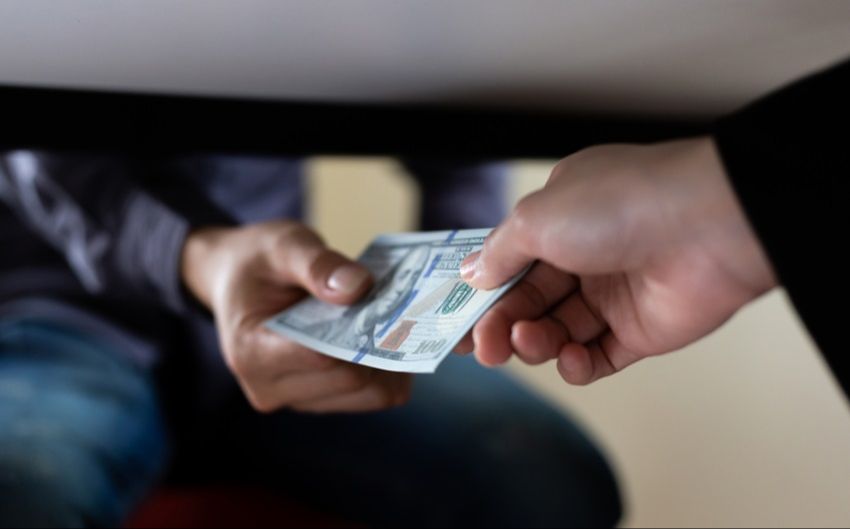
With so much money, these wealthy people know how to get their way. This may involve outright corruption, but more often than not, they'll act by blackmailing people into taking jobs if legislation is made tougher on them. They will also regularly act as patrons of the arts, threatening to withdraw their marbles from organizations, museums, clubs and the like if public authorities refuse their requests.
Perhaps this is why former U.S. President Jimmy Carter said in a 2015 interview that his country was now much more of an oligarchy than a democracy. True, the less fortunate still have a majority of votes, but they are constantly being crushed. What's more, the wealthy are buying up more and more of the media, stifling any possible criticism of tax havens and the like. The question of reducing inequality is therefore at the very heart of democratic survival.
Running time: 26min26
You might also like:
How does a 750 gram liter of gasoline emit 2.3 kilos of CO2?
You may have already been intrigued by the CO2 emission figures for car and air travel. Before your students start bugging you, here are some answers.
It's all we talk about, but the term "curation" refers to a wide variety of practices, not all of which have the same added value. A welcome blog post reminds us what quality curation is all about.
Emotions permeate our lives but depending on our fixed or developing mental models, we live in worlds of projection or worlds of imagination. These worlds are driven by emotions and lead us to very different ways of learning depending on whether they are based on joy or fear
The art of educational scriptwriting, reviewed and corrected
According to tests taken before and after, the students learned virtually nothing from watching "standard" science films. These films, which they themselves rated as "clear, concise and easy to understand", only reinforced their convictions, even if they were wrong. Discover the script factor to change all that! With the success of his videos - over 100 million views - we'd be tempted to believe him.
Decision-making in training in the digital age
Training decisions begin with the choice of a subject or discipline, with guidance software. Then, at every moment, the learner will direct his or her course and intensify or not his or her efforts according to the situations he or she encounters and analyzes, or the feedback he or she receives. More and more frequently, they are offered digital aids to make choices, and soon the processing power of artificial intelligence...