Chosen orientation, undergone orientation
School and career guidance depends on socio-cultural and educational factors, to be fairer and more flexible.
Publish at April 17 2024 Updated April 17 2024


The universal question asked by every learner, from primary school to the end of a doctorate, is: "Does this count towards the final grade?"
Since the 18th century, the classical assessment system has taught students to work hard and hope that all their efforts will lead to a good grade. This works well for some, but what about others? What happens when, despite all good will, a subject still ends in failure? A vicious circle is set in motion, leading to demotivation.
That's why Marie-Camille Coudert stopped using the extrinsic motivation system several years ago. She prefers to focus on intrinsic motivation, which really pushes learners at all levels to excel. To achieve this, she uses constructive assessment.
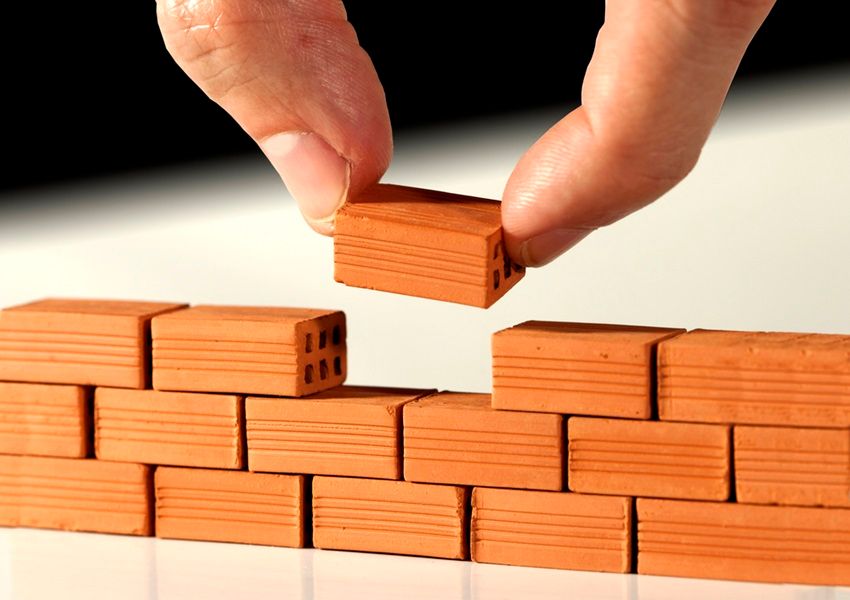
So, at the beginning of the year, students choose a grade they want to achieve in each subject. Obviously, we encourage at least a passing grade. Thereafter, each series of determined actions will lead to obtaining a brick corresponding to one point (out of 20). The first few will therefore be very easy to achieve, but it will get tougher for the final grades.
This approach represents a complete paradigm shift. Here, students are not penalized for mistakes. If they make too many, they won't get the "brick" on the spot, but they can pick themselves up again at any time. In short, they really know what is expected of them for each level, can work accordingly and see their progress over the course of the year.
A technique that works even with the most unmotivated, since the effort they put in is well and truly rewarded. To understand this approach even more concretely, teachers can also watch this video of their colleague explaining it.
Running time: 13min52
You might also like:
Chosen orientation, undergone orientation
School and career guidance depends on socio-cultural and educational factors, to be fairer and more flexible.
School, an essential pillar in precarious environments
School as a protective, structuring space in a chaotic daily life. When a child finds at school a listening ear, a sincere attention, a benevolent presence, it can make all the difference.
Offbeat pedagogies and innovative concepts
A description of the effects and challenges of offbeat pedagogies
Classroom participation: a question of design
Reply to the teacher or argue with them in a balanced conversation? To change relationships, let's rearrange the space...
Taste the multiple possibilities of the creation laboratories
If traditional education produces, according to some, lazy students who will have repetitive jobs in the future, wouldn't it be useful to add an innovative touch? That's why more and more schools are opening creative laboratories in their midst. Sewing, robotics, programming or audio-visual; everything is good for a "fablab". But it's important to remember that this requires a new approach to teaching.