6 tales that teach us the benefits of cooperation
Publish at May 01 2024 Updated May 01 2024


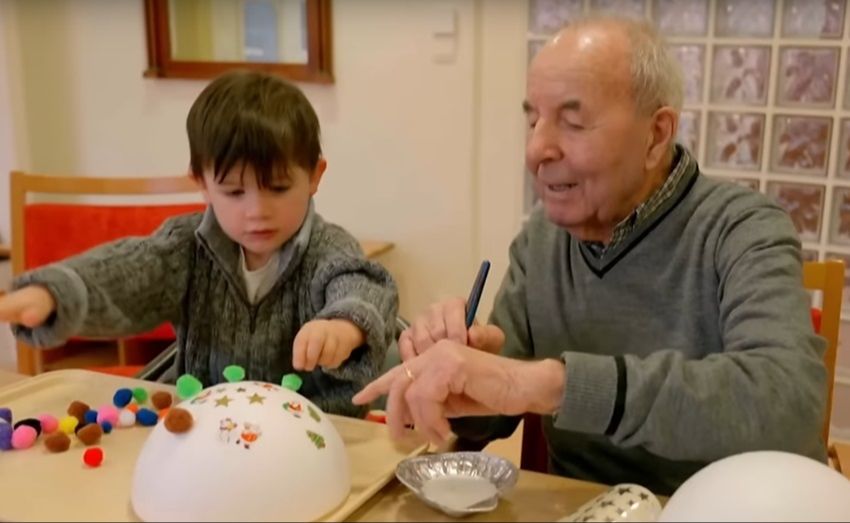
Our Western societies have an unfortunate tendency to push old age as far away from society as possible. As soon as the elderly can no longer be completely autonomous, they are placed in out-of-sight care facilities, isolating them from the world when they need social contact just as much. In Villevêque, near Angers, a particular EHPAD has decided to think differently.
"Le village des générations" is aptly named. It's made up of different blocks where around ten elderly people live. However, connected to these structures is a crèche, an early childhood center. So, every day, little ones aged 3 and under wander around with teachers and interact with the elderly. This may involve doing crafts, decorating for Christmas or simply playing. This contact is vital because it brings the elders out of their loneliness and connects the toddlers with their grandparents. They even come into contact with death, since the passing of residents is always marked by a non-religious ceremony.
Among the staff, several who serve meals or do housework are people with physical or psychological disabilities. This welcome integration also enables them to develop social relations with the residents and gain confidence by helping them.
What's more, every Friday the retirement home welcomes pupils from the local elementary school, with whom they dine, discuss and exchange ideas. Sometimes it's the deans who are transported to the school. This important contact teaches kindness, listening skills and empathy to the children and their parents, who become very attached to the residents.
This 20-year-old solution should be a basic model in a French society which, like other Western nations, tends to isolate generations and individuals in delicate situations. What if, on the contrary, more humanity and happiness came out of mixing them in a project based on benevolence?
Running time: 30min37
You might also like:
Would you like to celebrate Imbolc, the end of winter, with Brigit and a druid?
During the last centuries BC, the Celtic peoples were ruled by a priestly class: the druids...
Classroom climate and the development of socio-emotional skills
Developing students' socio-emotional skills ensures a climate of well-being at school, and is an ally for academic success.
Financing your studies like a pro
At Thot Cursus we frequently receive requests from dreamers who sound like they are fishing in the desert with a hammer or a guitar. Luck is not to be abused.
Numerous institutions and organizations are willing to assist any student who will demonstrate coveted or sought after qualities in the targeted field. Some suggestions.