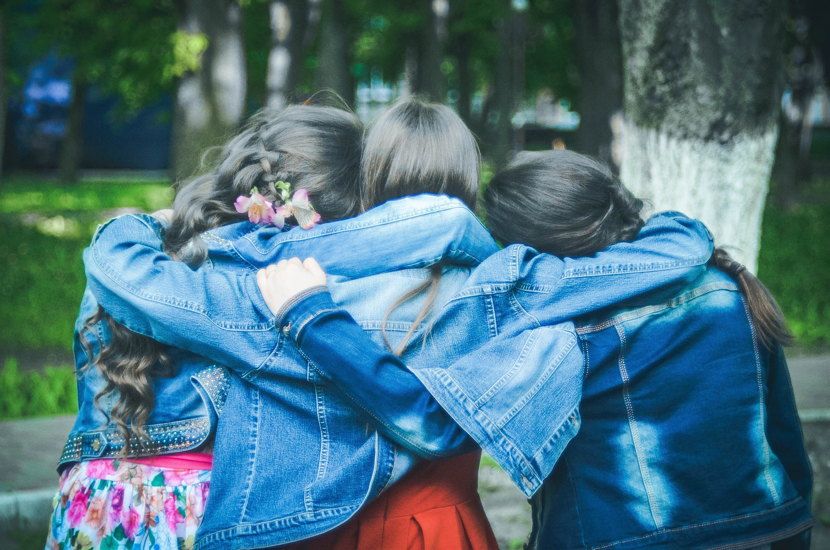
"Truths that are different in appearance are like countless leaves that look different and are on the same tree."
Does the jersey make the team?
You may have found yourself at a team seminar, all wearing the same colorful T-shirt. The textile artifice gives the impression of participating in the same movement and vision.
The appearance of a group or team reveals a great deal about its identity, values, objectives and cohesion. The uniformity of clothing and hairstyles, or on the contrary their diversity, plays a significant role in a group's non-verbal communication and internal dynamics. The school uniform, invented in Englandin the 16th century, introduced in lycées by Napoleon and then abandoned in May '68, is making a comeback in the French school world.
Uniform appearance
France has long been interested in the effects of uniforms in its schools.
- It's a way of instilling one of the values of the republic: equality. It's also a way of establishing secularism, combating the omnipresence of commercial brands and controversial belly-button outfits.
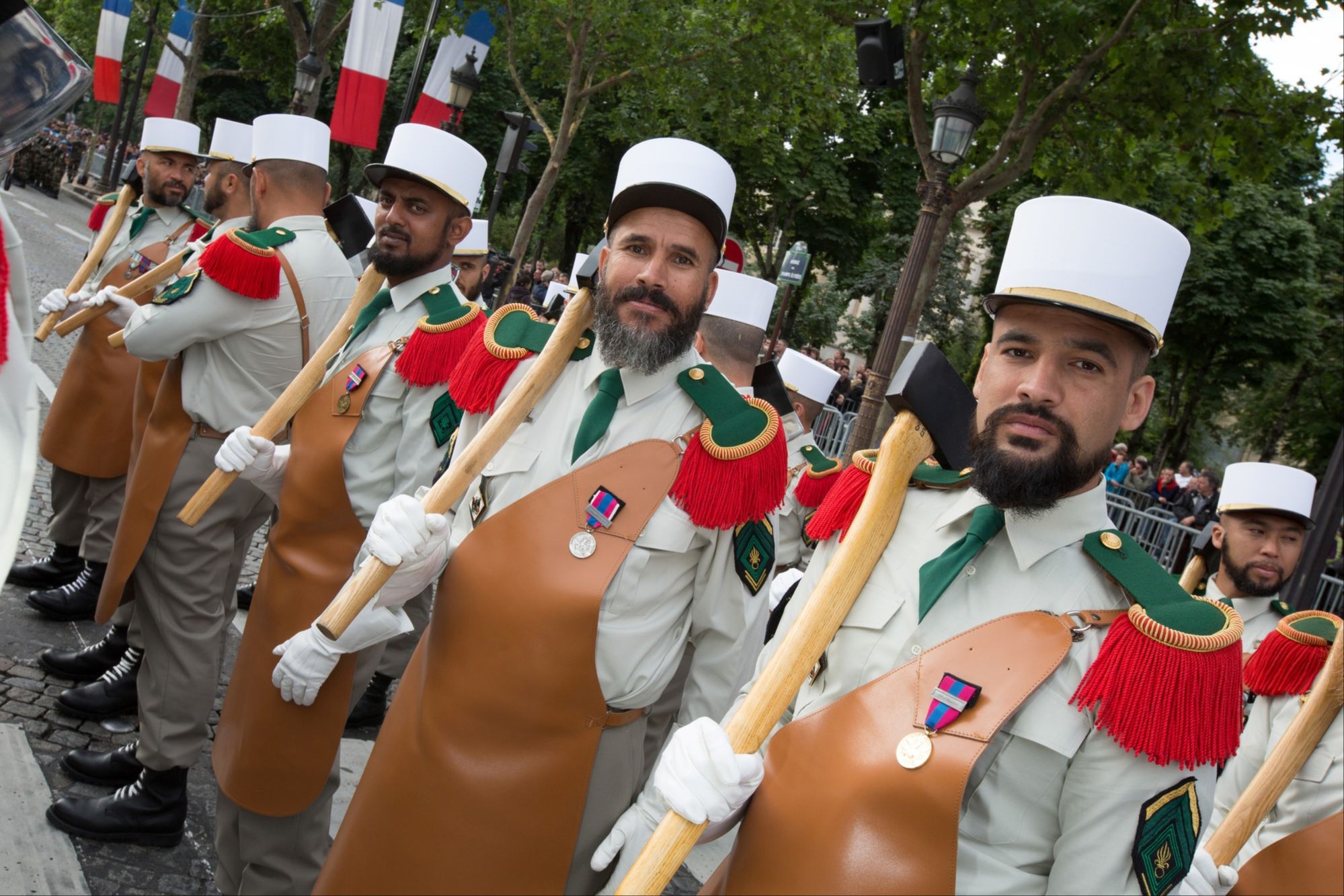
- Uniformity can reinforce a sense of belonging to a group. It helps establish a common identity, which is crucial in sports teams or the armed forces, increasing their sense of belonging to the collective.
- Uniforms reduce social or economic barriers between members, putting everyone on an equal visual footing. This can promote group cohesion and facilitate collaboration. Research in the military sector has shown an increase in group cohesion after the introduction of a standardized uniform for all ranks , as if a blurring of status brought combatants closer together as they conceded to the prestige of the group to which they belonged.
- In some cases, such as for the health professions or the emergency services, uniforms are sometimes color-coded to distinguish doctors, nurses and orderlies. In some cases, such as in the health and emergency services, uniforms - sometimes color-coded to distinguish doctors, nurses and care assistants - contribute to the immediate recognition of the role of individuals, and project an image of competence and professionalism, with a further positive effect on presumed hygiene.
- On a construction site, everyone recognizes the role of others simply by looking at the color of their helmet.
- Finally, patients report feeling more confident with healthcare professionals wearing clearly identifiable uniforms, with greater self-confidence for uniform wearers.
Diversity in appearance
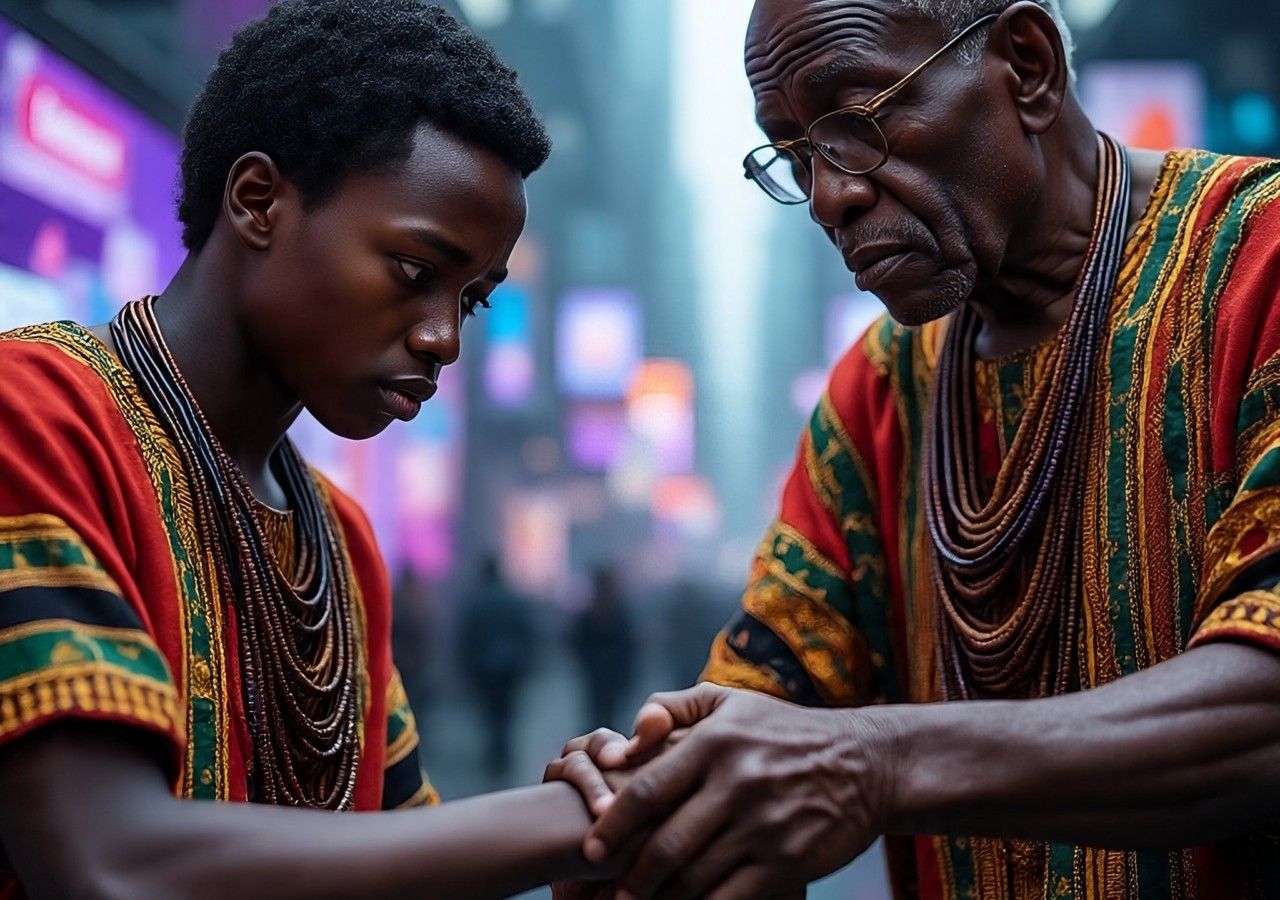
On the other hand, diversity of dress and hairstyle within a group enables individual expression. In creative sectors, this encourages innovation and reflects an openness to different perspectives.
For example, one study shows that a departure from the norm, such as wearing a red basquet, is well accepted and conveys an image of creativity. So a more flexible dress code may indicate a flexible and adaptable corporate culture, valuing individuality while working towards common goals.
Goodbye suits, welcome Bermuda shorts and jeans with holes. Companies with flexible dress codes also report 25% higher employee satisfaction than those with strict codes (Global Workplace Survey, 2022).
In France, a law has been passed to reinforce the non-discrimination of hair, and to give free rein to the cultural expressions nested in facial hair.
Origin of similarities
Amadieu, (2002) discusses the "Weight of Appearances" and how couples or social groups are reinforced in their orientations. He studies the assemblies based on different resemblances.
The similarities between members of a group can stem from several factors:
- Natural and social selection:Individuals tend to associate with others with similar interests, values or backgrounds, which can naturally lead to similarities in appearance or behavior. An analysis of social networks has shown that individuals are 60% more likely to be friends with someone with similar interests.
- Social conformity: the pressure to conform to group norms can lead individuals to adapt their appearance to fit in, even without explicit guidelines. Experiments have shown that up to 70% of individuals are willing to adapt their dress to align with group norms.
- Mimicry: The tendency to imitate the behaviors, including clothing and hairstyles, of people in a group whom one admires or respects.
"Like attracts like".
Social psychology has studied the phenomenon of homophily, which is the tendency of individuals to form bonds with people who are similar to them in terms of values, beliefs, social status, etc.
Studies have shown that people tend to associate and form friendships with those who share similar interests and characteristics, thus supporting the adage "those who look alike, come together". However, this tendency can also contribute to the formation of homogeneous groups, limiting diversity and exposure to different perspectives.
Studies of interpersonal relationships indicate that individuals are 80% more likely to develop a friendship with people of similar income levels, education and interests (Multidimensional homophily in friendship networks).
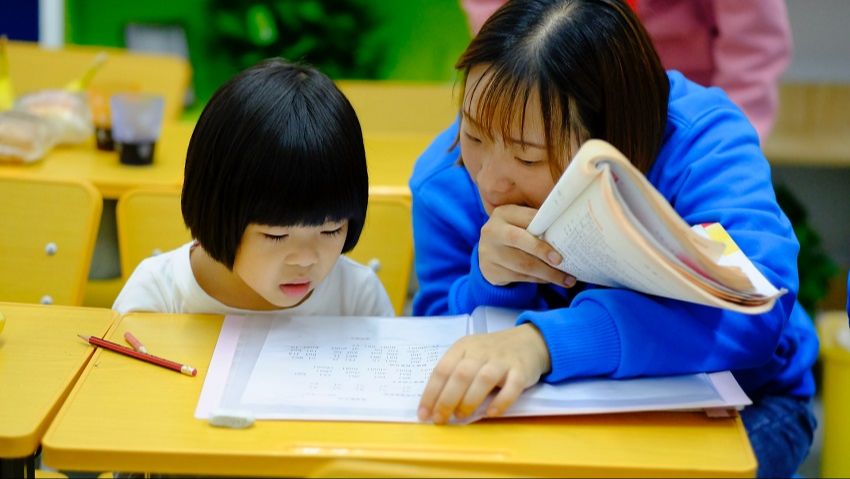
At school, we also learn how to appear
The appearance of a collective or team, whether uniform or diverse, plays a significant role in group dynamics and the communication of its identity. The origins of these resemblances and the rituals that unite members reflect the complexity of human interaction and the quest to belong.
The school is often a crucible for these phenomena at a time when identities are being formed.
Illustration: joukoff.gmail.com - DepositPhotos
Sources
Army.mil Cohesion in the army https://www.armyupress.army.mil/Journals/Military-Review/Online-Exclusive/2022-OLE/Burroughs/
Global Workplace Survey (2022). The impact of dress code flexibility on employee satisfaction. Journal of Human Resources Management, 56(2), 134-149. https://www. pwc.com/gx/en/hopes-and-fears/downloads/global-workforce-hopes-and-fears-survey-2022-v2.pdf
scientificamerican.com Dress for success: how clothes influence our performance https://www.scientificamerican.com/article/dress-for-success-how-clothes-influence-our-performance/
Cambridge Network Science. Multidimensional homophily in friendship networks https://www.cambridge.org/core/journals/network-science/article/abs/multidimensional-homophily-in-friendship-networks/707DBFC94DE7D7232F443FD0D4381BD2
Amadieu, J. F. (2002). Poids des apparences (Le): Beauty, love and glory. Odile Jacob.
Sud ouest Will school uniforms make a comeback in France? Here's the story in five dates https://www.sudouest.fr/politique/education/l-uniforme-a-l-ecole-fera-t-il-son-grand-retour-en-france-voici-son-histoire-en-cinq-dates-18584080.php
Neviaski, A. (2010). La cohésion légionnaire, un défi toujours actuel. Guerres mondiales et conflits contemporains, 237(1), 95-102.
https://www.cairn.info/revue-guerres-mondiales-et-conflits-contemporains-2010-1-page-95.htm?wt.src=pdf
Rennes, J., Lemarchant, C. & Bernard, L. (2019). Habits de travail. Travail, genre et sociétés, 41, 23-28. https://doi. org/10.3917/tgs.041.0023
nwlinen.com Psychological effects of healthcare uniforms on patients https://nwlinen.com/psychological-effects-uniforms-patients/
Hazel Ann (hazel-ann.co.uk) Healthcare uniforms impact on patient experience in London https://www.hazel-ann.co.uk/blogs/journal/how-healthcare-uniforms-impact-patient-experience-in-london-hospitals
See more articles by this author